
Lieferung heute & morgen

Qualitätsgarantie

Willkommens-Angebote freischalten: KOSTENLOSE Lieferung | Bis zu 80 % RABATT | Kostenlose 30-Tage-JoyPlus-Testphase
App herunterladen
By Joybuy Product Recommendation Officer, July 23, 2026
Neck tension and restless sleep are common problems for many people. The cause is often an unsuitable pillow that forces the cervical spine into an unnatural position overnight. An ergonomic neck pillow for neck pain is designed to keep your head, neck, and spine in a neutral alignment, thereby helping to relieve muscle strain.
This article serves as a comprehensive guide. We'll explain which features to look for when making your selection and present a variety of models with different properties to make your decision easier.
The selection of pillows is vast. To find a model that fits your individual needs, you should consider a few fundamental criteria.
The material is a key determinant of comfort and support.
The correct pillow height is crucial for an ergonomically healthy sleeping posture. The goal is to keep the spine in a straight line from the cervical spine down to the pelvis.
A good sleep climate contributes to recovery. Breathability is an important factor, especially for materials like memory foam. Open-cell foams, gel pads, or integrated ventilation channels can help prevent heat buildup. Additionally, the pillowcase should be removable and washable at a minimum of 40°C (104°F) to ensure good hygiene.
Based on the criteria above, we have compiled a selection of products that take different approaches to neck support.
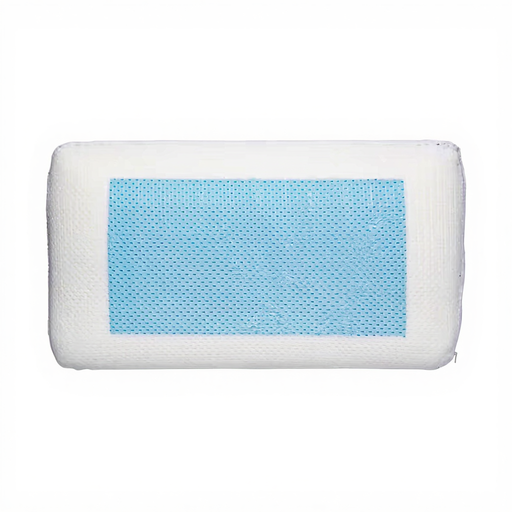
Why It Stands Out This pillow combines the pressure-relieving properties of memory foam with a gel component. Its classic, rectangular shape makes it a straightforward entry-level model into the world of ergonomic pillows.
Advantages
Who Is It For? For individuals who want the benefits of memory foam in a traditional pillow shape and value easy cleaning.
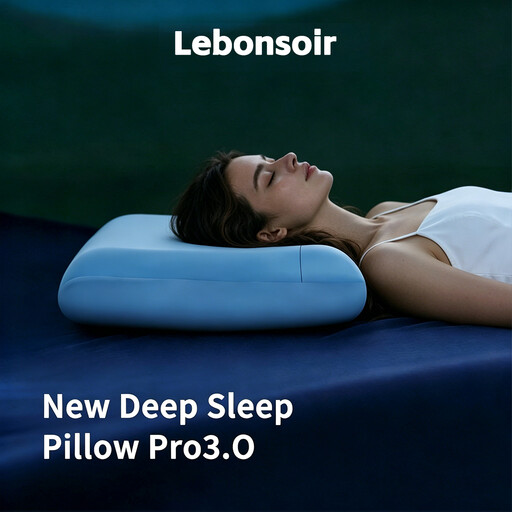
Why It Stands Out The 3.0 model is distinguished by its 3-layer foam construction. This structure is designed to create a balance of soft cushioning and stable support to prevent the head from sinking in too deeply.
Advantages
Who Is It For? For users who prefer a sophisticated support system that offers both comfort and firm, defined support. It is suitable for side, back, and stomach sleepers.
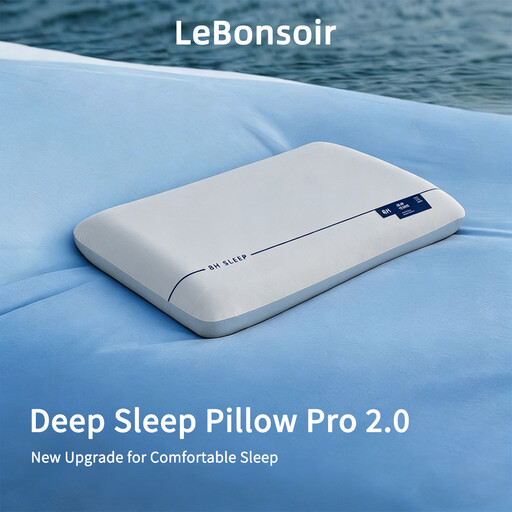
Why It Stands Out This pillow focuses on targeted spinal alignment. The central cradle is intended to stabilise the head, while the contour supports the neck and shoulder muscles.
Advantages
Who Is It For? For individuals seeking a pillow with a distinct ergonomic shape that specifically targets correct cervical spine alignment.
The selection presented here covers common requirements. If you haven't found the right model for your needs or are looking for pillows for other applications, it's worth exploring further alternatives. Specialised cushions can be particularly useful for support while sitting upright.
? Discover our selection of orthopaedic sofa cushions here.
Switching from a conventional to an ergonomic pillow may require an adjustment period. It can take anywhere from a few nights to two weeks for your body to adapt to the new support shape. It can be helpful to initially use the new pillow for only a few hours per night and gradually increase the duration.
A cervical pillow should support and stabilise the natural curvature of the cervical spine. Models with a pronounced neck contour and a height adapted to the sleeping position are often considered by people with related issues. However, the choice is highly individual and depends on personal comfort.
The lifespan of a neck support pillow depends on the material and its usage. As a general guideline, they should be replaced every two to three years. A clear sign that a replacement is needed is when the pillow loses its shape and supportive properties, such as showing permanent indentations or no longer returning to its original form.