
Lieferung heute & morgen

Qualitätsgarantie

Willkommens-Angebote freischalten: KOSTENLOSE Lieferung | Bis zu 80 % RABATT | Kostenlose 30-Tage-JoyPlus-Testphase
App herunterladen
By a Joybuy Product Recommendation Officer, July 19, 2026
Waking up with neck and shoulder pain is a widespread issue that can significantly impact your quality of life. A common cause is inadequate support for the head and neck area during sleep. An ergonomic neck pillow is designed to support the natural curve of the cervical spine, promoting a more relaxed sleeping posture.
This guide is designed to help you understand the key features of these pillows. We provide objective information on materials, shape, and suitability for different types of sleepers, enabling you to make an informed decision based on your individual needs.
Selecting the right pillow depends on several factors. Instead of relying on marketing promises, it's wise to focus on verifiable product features.
A key feature of many ergonomic pillows is the use of viscoelastic foam, also known as memory foam. This material responds to body heat and pressure by contouring to the shape of your head and neck.
The shape of the pillow is not merely an aesthetic feature; it serves an important functional role. An orthopedic pillow typically has a wave-like contour with a higher and a lower curve to accommodate different needs.
The longevity and hygiene of a pillow are also important considerations. Look for removable and washable covers. The memory foam core itself is usually not washable. It is recommended to follow the manufacturer's care instructions carefully to preserve the material's properties.
Based on the criteria above, we have selected a product that stands out for its specific features and can be considered a solution for tension relief.
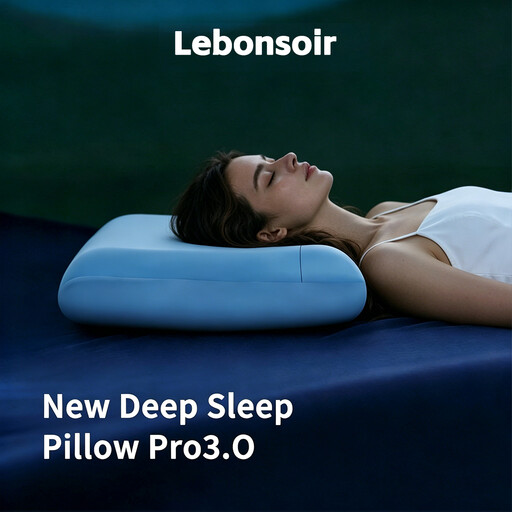
View Product: Lebensoir Ergonomic Neck Support Pillow 3.0
This pillow is distinguished by its thoughtful three-layer foam construction. The first layer of slow-rebound foam provides a gentle cradle for the head and neck. The second layer serves as a support element to prevent sinking too deeply, while the third, supportive layer forms a stable base. This design aims to combine comfort and support. The ergonomic contour is shaped to adapt to the curves of the neck and shoulders, offering targeted support for the cervical spine.
This cervical pillow is aimed at individuals seeking firm yet adaptive neck support. It is an option for office workers who spend long hours sitting, as well as for anyone looking to improve their sleep quality and reduce tension caused by poor sleeping posture.
While the right sleeping pillow is a functional necessity for relieving tension, the design of your bedroom also contributes to overall relaxation. Decorative pillows can enhance a room's ambiance and provide extra comfort for reading or relaxing in bed.
If you're looking for aesthetic additions for your home alongside a functional sleeping pillow, you may find suitable options in our broader collection.
Discover Our Selection of Boho Decorative Circle Pillows
Switching to a new, ergonomically shaped pillow can require an adjustment period. Your body, especially your neck muscles, needs to adapt to the new, corrected posture. This process can take anywhere from a few days to two weeks. It's advisable to give the pillow a fair chance during this time.
For side sleepers, it's crucial that the pillow completely fills the space between the ear and the shoulder, so that the head, neck, and spine form a straight line. The ideal height, therefore, depends directly on an individual's shoulder width. People with broader shoulders typically need a higher pillow than those with narrower shoulders.
The core of a memory foam pillow should generally not be machine washed or put in a dryer, as this can damage the foam's structure. For cleaning, it's recommended to spot-clean stains gently with a damp cloth and a mild detergent. The pillowcase, however, is usually removable and machine-washable. Always follow the manufacturer's specific care instructions.