
Lieferung heute & morgen

Qualitätsgarantie

Willkommens-Angebote freischalten: KOSTENLOSE Lieferung | Bis zu 80 % RABATT | Kostenlose 30-Tage-JoyPlus-Testphase
App herunterladen
An ergonomic neck pillow should support your head and neck comfortably without forcing your cervical spine into an awkward angle while you sleep. However, a contoured pillow won’t automatically give you the right sleeping position. A difference of just a few centimetres in height, the material and your sleeping position can all affect whether a neck support pillow remains comfortable over time.
A 12 cm-high pillow may suit some side sleepers, but feel too high for back sleepers. Stomach sleepers often need a much lower level of support. The right height also depends on your shoulder width, mattress firmness and how much the material compresses. Be wary of claims that a pillow is suitable for “all sleeping positions”.
Terms such as “orthopaedic neck pillow”, “cervical pillow” or “ergonomic pillow for neck pain” don’t automatically prove a product is high quality. Look for product details you can check:
A pillow may help improve your sleeping comfort, but it is not a substitute for medical advice or treatment.
Memory foam responds to body heat and pressure, but may feel less breathable than an open-cell latex pillow. If you’re considering a cooling pillow, don’t just rely on the product name: check the cover, ventilation and care instructions too. The core often cannot be machine-washed.
Side sleepers generally need a height that fills the gap between their shoulder and the mattress. Back sleepers often need lower support, while stomach sleepers may be more comfortable with a flatter design. Models with two height options, such as 10 and 12 cm, offer more flexibility.
A contoured pillow often has a raised neck roll and a lower headrest. The central recess can help prevent your head from rolling too far to the side. Make sure the contour suits your shoulder width and mattress.
Memory foam pillows respond slowly to pressure and initially retain their shape after you get up. They may suit anyone who prefers a more supportive surface that holds its shape. Before first use, air the pillow out thoroughly, following the manufacturer’s instructions, as new foam may have an odour.
Latex pillows typically spring back more readily. Some of the products listed here are stated to contain 93% natural latex and feature ventilation holes. If you have a latex allergy, check the material details and warnings particularly carefully.
A removable, washable cover makes regular care easier. Clean the pillow core only as instructed. Foam and latex cores are often not suitable for machine-washing. You should also:
Why this product suits this profile: Its stated height of 8 cm and memory foam material may appeal to students, those furnishing a guest room or anyone looking for a lower-profile pillow.
The specific height makes it easier to compare the pillow with your sleeping position, reducing the risk of choosing based on vague marketing claims alone.
8 cm high according to the product name; memory foam core for support that holds its shape.
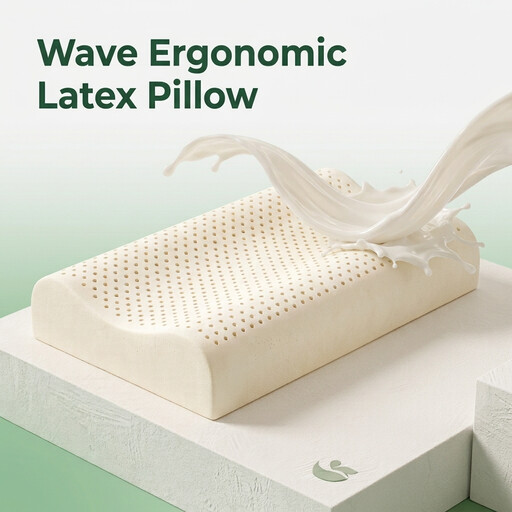
Why this product suits this profile: The model is listed as containing 93% latex and has a wave shape with two heights, 10 and 12 cm, as well as a removable outer cover.
The two height options make it easier to understand how to adjust the pillow than a universal height with no further explanation. The ventilation holes are a specific design feature.
93% latex content according to the product details; 10/12 cm contour; two covers included.
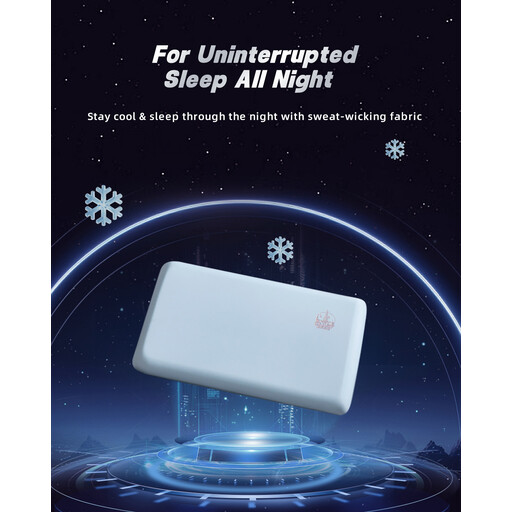
Why this product suits this profile: The 42 x 70 x 8 cm size may suit buyers looking to compare a longer pillow surface and a low contour for side, back or stomach sleeping.
The dimensions and height are clearly stated, so you can compare the model with your shoulder width, mattress and current pillow height before buying.
42 x 70 cm according to the product details; 8 cm high; memory foam material.
We’ve put together a complete, regularly updated list of products that meet these strict selection criteria and fully comply with the safety regulations in force in the EU.
It mainly depends on your sleeping position, shoulder width, mattress and personal preference. Side sleepers often compare higher contours, while back and stomach sleepers may prefer lower-profile models. An 8 cm-high pillow won’t necessarily suit everyone.
There’s no single answer for how long a pillow will last. Its shape retention is affected by the material, how often it’s used, how it’s cared for and how it’s stored. Replace the pillow if its core becomes permanently flattened, damaged or crumbly. Depending on the design, the cover may be washable separately, but the core often isn’t.
The two materials have different properties. Memory foam responds slowly and moulds under pressure, while latex springs back more readily and can be designed to feel more breathable with ventilation holes. If your symptoms persist, seek medical advice to identify the cause. When choosing a pillow, focus on material suitability, height, contour and care requirements.