
Lieferung heute & morgen

Qualitätsgarantie

Willkommens-Angebote freischalten: KOSTENLOSE Lieferung | Bis zu 80 % RABATT | Kostenlose 30-Tage-JoyPlus-Testphase
App herunterladen
An ergonomic neck pillow should support your head at the right height and sensibly fill the space between your neck, shoulders and mattress. However, not every model marketed as a neck support pillow, cervical pillow or orthopaedic neck pillow will automatically provide a suitable sleeping position. Measurable features such as height, shape, material and care requirements are what matter.
A pillow with a height of 10 or 12 cm may suit some side sleepers, but could feel too high on a soft mattress or for people with narrower shoulders. Back sleepers often need lower support, while front sleepers generally get on better with a flatter design.
An 8 cm pillow is not automatically suitable for everyone either. The actual sleeping height depends on the pillow’s shape, how much the material compresses, shoulder width and the mattress.
Many manufacturers describe an ergonomic pillow as suitable for universal use. This primarily refers to the design, not to your personal comfort. A pronounced neck recess or contour can be helpful when switching between your back and side, while it may feel uncomfortable when sleeping on your front.
If you are looking for a pillow to help with neck or shoulder pain, you should not assume it will have a therapeutic effect. A pillow can influence your sleeping position, but it does not replace medical advice or treatment.
Memory foam pillows adapt under pressure, but they usually cannot be cleaned completely in a washing machine. Natural latex is elastic and retains its shape, but it may have a distinctive smell and is not suitable for people with a latex allergy. An air-permeable pillow is not automatically fully washable either.
Before buying, your checklist should therefore include a removable cover, cleaning instructions, airing time and storage guidance.
For side sleepers, the distance between the mattress and head is crucial. A pillow should fill the space between your shoulder and head without pushing your head noticeably upwards or downwards. Back sleepers should look for moderate height and a neck recess. A front-sleeper pillow should be relatively flat and flexible.
Models with several sleeping surfaces or height-adjustable pillows are practical options. With a two-level design, you can choose the higher or lower side. The stated height should always be considered together with the dimensions.
Memory foam, also known as viscoelastic foam, responds to body heat and pressure. It can provide contoured support, but often needs time to fully expand after unpacking. When choosing a pillow, information about the foam structure and ventilation is more relevant than general terms such as “premium”.
Latex pillows spring back more quickly. Perforated structures can help improve air circulation. If you are looking for a hypoallergenic pillow, distinguish between “allergy-friendly” and a specific statement about the material. If you have a known latex allergy, avoid latex models.
A removable, washable cover makes regular care easier. Claims such as Öko-Tex should relate to the specific product or cover; ideally, certification details should be included in the product description. For feather or down pillows, the filling material, filling weight and animal welfare standard are also relevant.
Foam cores usually have different care requirements from the cover: the core often must not be put in the washing machine and should only be cleaned in accordance with the manufacturer’s instructions.
Why this product suits this profile: At 8 cm high, this low-profile memory foam pillow may appeal to people looking for a low pillow for the home, guest room, student accommodation or travelling.
The specific height makes the choice easier to assess than general claims of universal suitability. Before buying, compare the firmness of your mattress with your sleeping position.
Memory foam construction and an 8 cm profile; a compact option for smaller sleeping areas or travelling.
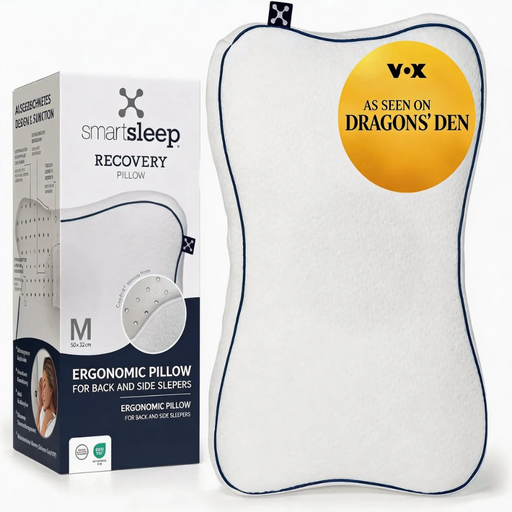
Why this product suits this profile: According to the product information, this model is designed for back and side sleepers and combines memory foam with integrated air channels. The manufacturer also states that it uses Öko-Tex-certified materials and offers a 30-night trial period.
Information about sleeping positions, material testing and the trial period makes it easier to assess the product before buying. You should still check the care instructions.
Head recess, air channels in the foam core and information about certified materials.
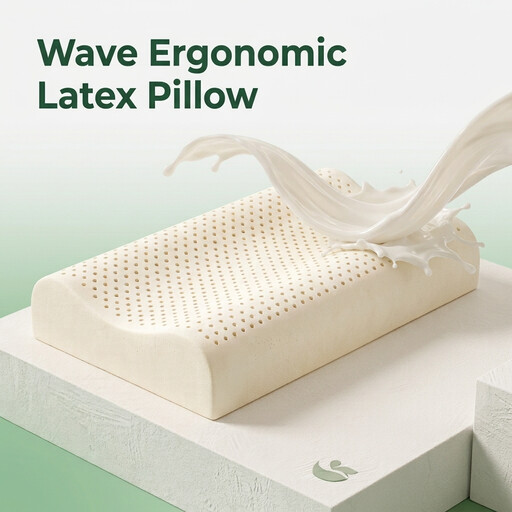
Why this product suits this profile: According to the product description, this 60 × 40 cm latex pillow offers two sleeping heights of 10 and 12 cm, as well as a removable outer cover. This can be practical for people who change sleeping positions or use mattresses with different firmness levels.
The two stated heights reduce the risk of relying solely on a standard height. If you are sensitive to latex, check the material information before buying.
93% latex content according to the product information, two heights and double covers; the cover is machine washable according to the description.
We have put together a complete, regularly updated list of products that fully meet these strict selection criteria and the safety regulations applicable in the EU.
This depends mainly on shoulder width, the mattress and how much you sink into it. Side sleepers often need more height than back sleepers. Measure the distance between your head and the mattress in your normal side position and compare it with the usable pillow height. A contour with two heights can make adjustment easier.
You should not assume that it will have this effect. A pillow can alter the positioning of your head and neck, but it is not a medical aid for treating symptoms. If you experience persistent, severe or newly occurring pain, it is advisable to seek medical advice.
The cover should be washed regularly in accordance with the care instructions, particularly if you sweat heavily or are prone to allergies. The foam core itself often must not be washed. An additional washable pillow protector can make everyday hygiene easier.