
Lieferung heute & morgen

Qualitätsgarantie

Willkommens-Angebote freischalten: KOSTENLOSE Lieferung | Bis zu 80 % RABATT | Kostenlose 30-Tage-JoyPlus-Testphase
App herunterladen
An ergonomic neck support pillow is designed to keep your head in a suitable position and support the natural alignment of your head, neck and spine. Side sleepers have different requirements from back sleepers. Material, pillow height, heat build-up and ease of care also determine whether a neck pillow remains practical for everyday use.
The term “orthopaedic pillow” is not a uniformly protected quality designation. It therefore does not automatically indicate medical suitability. If you are looking for a pillow for neck pain, check for clear, verifiable product information and seek medical advice if symptoms persist.
A pillow that is too high can tilt a back sleeper’s head forwards. A model that is too low often leaves a gap between the shoulder and head for side sleepers. It is therefore not just the number of centimetres that matters, but also shoulder width, mattress firmness and your preferred sleeping position.
A memory foam pillow can adapt to the body. However, without information about the foam structure, recovery speed or shape, it remains unclear how stable it will be. With contoured models, the edge heights, central sleeping surface and transitions to the neck are more important than the material name alone.
As a rule, foam cores must not be cleaned in a washing machine. A removable, washable cover is therefore a practical selection criterion. Air channels or a perforated structure can support air circulation, but they do not replace regular care and adequate ventilation.
Check whether a model has a fixed or variable height. An adjustable-height neck pillow, or a pillow with two sides of different heights, can make it easier to find the right fit. These questions can help you choose:
Memory foam typically reacts to body heat and pressure. It can adapt slowly and distribute pressure evenly across contact areas. Some users find this adaptation comfortable, while others may find the slower rebound unfamiliar.
A latex pillow usually springs back more quickly. Natural latex models may feature ventilation openings. Check the specific latex content stated, as “latex” can refer to different material blends depending on the product. If you have a known latex allergy, take the manufacturer’s information and, where appropriate, medical advice into account.
For people with sensitivities, clear information about material testing may be relevant. For example, the smartsleep model states that its cover has been tested according to OEKO-TEX. Such a certificate should always be linked to the specific product and its scope of validity.
You should also check the following before buying:
A neck pillow is not a medical device unless it is expressly labelled as such. Claims such as “corrects the spine” or “eliminates pain” should therefore not be understood as guaranteed effects.
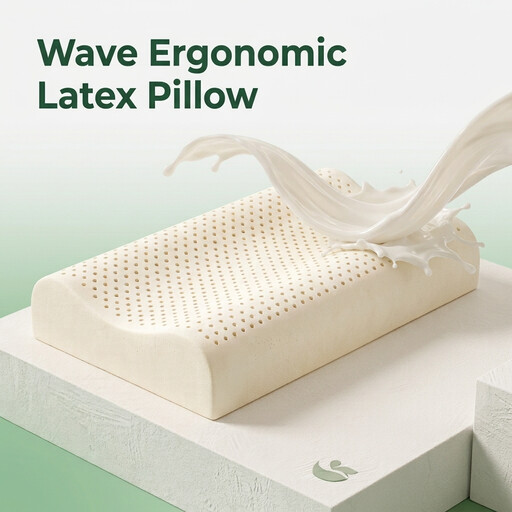
Why this product suits this profile: This model offers two stated heights of 10 and 12 cm, making it suitable for users who want to choose between different sleeping heights.
Both heights are clearly specified. An inner cover and removable outer cover are also mentioned, making it easier to plan care and maintenance.
Stated latex content of 93%, wave contour, two heights and a machine-washable outer cover.
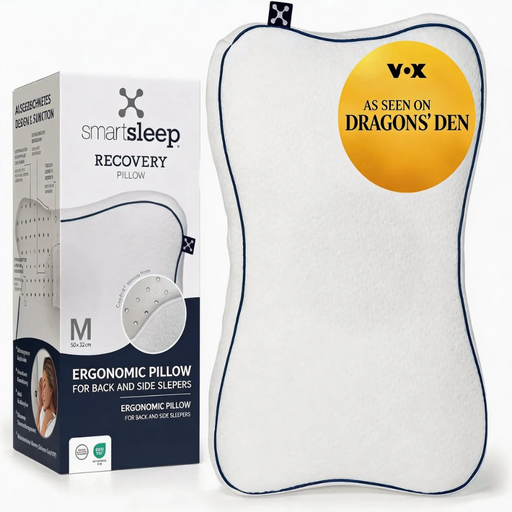
Why this product suits this profile: This memory foam pillow is designed for back and side sleepers and features air channels and an OEKO-TEX-tested cover – relevant details for active people and those with sensitivities.
The information clearly describes the material, sleeping positions, air circulation and testing, rather than simply promoting the product with a generic ergonomics claim.
Viscoelastic foam with integrated air channels, a head recess and a design intended for back and side sleepers.
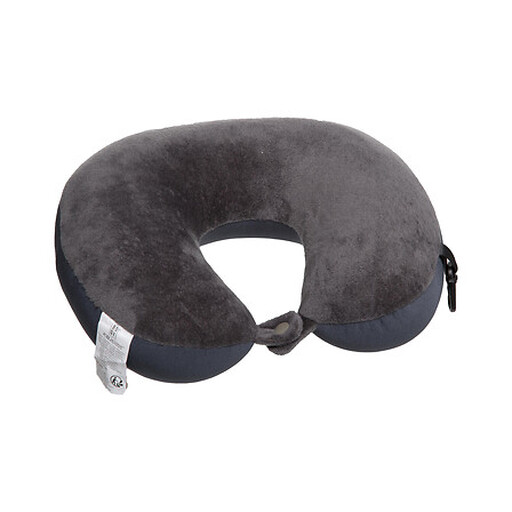
Why this product suits this profile: According to the product description, this velvet cushion is intended for travel, the office and relaxation. It is therefore suitable as flexible neck support away from the bed.
It is not described as a sleeping pillow with a defined cervical contour. This makes it easier for buyers to distinguish it clearly from an orthopaedic pillow intended for overnight use.
Velvet cover, unisex design and intended for travel, the office and use at home.
We have put together a complete, regularly updated list of products that fully meet these strict selection criteria and the safety regulations applicable in the EU.
Position the pillow so that the neck recess or lower contour sits beneath your neck. Your head should not tilt noticeably upwards or forwards. When using a new pillow to improve sleeping posture, a short adjustment period can be normal. If you experience more severe discomfort, numbness or persistent pain, stop using the model and seek medical advice to establish the cause.
With foam products, it is advisable to air them after unpacking, following the manufacturer’s instructions. The core should not be washed unless this is expressly permitted. The cover, on the other hand, can often be cleaned according to its care label.
This mainly depends on your sleeping position, shoulder width and mattress. Back sleepers often need a lower pillow than side sleepers. Models with two specified heights can make choosing easier, but they do not replace checking the individual fit.
There is no single lifespan that applies in every case. Material quality, daily use, body weight, moisture and care all affect durability. If the foam becomes permanently soft, the contour changes shape or cracks appear, the pillow should be replaced.
This can only be assessed by looking at the specific material and testing information. A washable cover can support good hygiene. If you have known allergies, check the complete product details and seek medical advice if you are unsure.