
Lieferung heute & morgen

Qualitätsgarantie

Willkommens-Angebote freischalten: KOSTENLOSE Lieferung | Bis zu 80 % RABATT | Kostenlose 30-Tage-JoyPlus-Testphase
App herunterladen
An ergonomic neck support pillow is designed to keep the head and neck in a natural position wherever possible. However, not every contoured pillow suits every individual. Body width, mattress firmness, preferred sleeping position and personal sensitivity to heat all have a significant impact on comfort.
If you are looking to buy an orthopaedic neck pillow or a pillow designed to improve sleeping posture, you should not rely solely on terms such as “ergonomic”, “cervical pillow” or “pressure-relieving”. What matters are clear, verifiable details about height, materials, shape and care.
An 8 cm neck support pillow may suit some people, while others need a higher or lower sleeping surface. Side sleepers often require greater height to fill the gap between the mattress and the head. Back sleepers may find a lower contour more comfortable. Stomach sleepers often prefer a flatter side.
The mattress also makes a difference: on a soft mattress, the shoulder sinks in further than it does on a firm surface. As a result, the same pillow height can feel very different.
A pillow designed for back and stomach sleepers can support several sleeping positions, but it should still provide an appropriate contour and height. Phrases such as “for all sleeping positions” initially describe the intended use of the product—not a guarantee of personal comfort.
Look for a central head recess, rounded neck-support areas and, where applicable, two sides with different heights.
A breathable sleeping pillow does not automatically have a well-ventilated core. With memory foam, for example, air channels or an open-cell structure are relevant. The cover should be removable and washable according to the manufacturer’s instructions. For many models, the foam core itself must not be placed in the washing machine.
Check whether the manufacturer specifies the height in centimetres and whether this refers to the lower side, higher side or the pillow as a whole. An ergonomic pillow for side sleepers should not angle the head sharply upwards or downwards. With a wave-shaped cervical pillow, different side heights can make it easier to find the right fit.
As a practical guide:
These guidelines cannot replace an individual fit test. The option to try the pillow or return it can therefore be an important purchasing criterion.
A memory foam neck support pillow gradually adapts to body heat and pressure. This can suit people who prefer a supportive yet yielding surface that retains its shape. After unpacking, the pillow should be aired out according to the manufacturer’s instructions. An initial odour is possible with foam products.
A natural latex neck support pillow generally responds more quickly to pressure and has an inherently elastic structure. Where latex content is specified, read the material information carefully. A latex allergy is an important exclusion criterion; observe all relevant warnings.
A removable cover makes regular cleaning easier. Pay attention to:
A label such as “hypoallergenic” should not be interpreted as a guarantee that the product is free from allergens for every individual. In the case of known intolerances, the ingredient or material list is decisive.
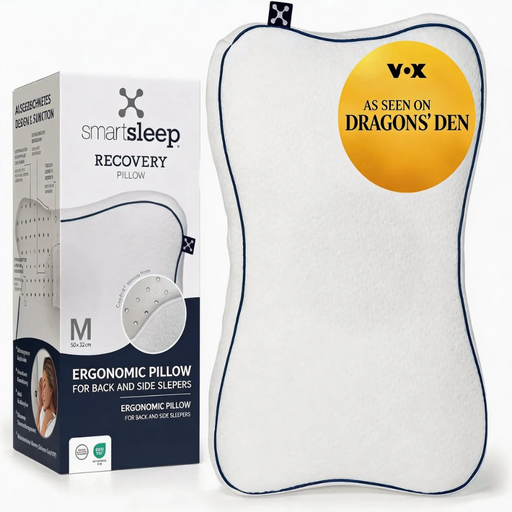
Why it fits: This model is aimed at back and side sleepers looking for a memory foam core with air channels and clearly specified material information.
The product description specifies air channels, viscoelastic foam and a material concept certified according to Öko-Tex information.
A 30-night trial period is specified for this model. The exact terms should be checked before purchase.
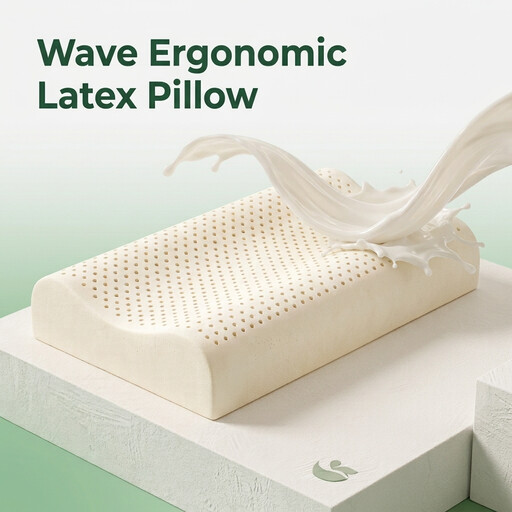
Why it fits: The two specified heights of 10 and 12 cm allow users to choose according to their sleeping position and personal preference.
The specified latex content and two height options provide concrete product information. This model is not suitable for people with a latex allergy.
Measuring 60 × 40 cm, it features a ventilation structure and two removable covers; the outer cover is described as machine-washable.
The full selection includes additional models and material options for different sleeping positions and requirements.
Allow a newly packaged memory foam or latex pillow to fully expand, then air it out according to the manufacturer’s instructions. Use a suitable, washable cover and clean the core only with methods expressly approved by the manufacturer. Avoid direct sunlight, excessive heat and open flames.
A new pillow also requires an adjustment period. If the height remains uncomfortable or discomfort increases, stop using the model. Persistent or severe neck and shoulder pain should be assessed by a doctor; a pillow is not a substitute for medical treatment.
The right height depends primarily on shoulder width, mattress firmness and individual sleeping position. Side sleepers often need more neck support than stomach sleepers. Models with two height options can make the choice easier.
There is no universally applicable service life. Material quality, daily use and care are the key factors. If the foam becomes permanently soft, brittle or the pillow loses its shape, it should be replaced.
An ergonomic neck support pillow can influence sleeping position and personal comfort while lying down. However, no medical effect or pain relief can be guaranteed. If symptoms recur or worsen, medical advice should be sought.