
Lieferung heute & morgen

Qualitätsgarantie

Willkommens-Angebote freischalten: KOSTENLOSE Lieferung | Bis zu 80 % RABATT | Kostenlose 30-Tage-JoyPlus-Testphase
App herunterladen
By Joybuy Product Recommendation Officer, August 29, 2026
Persistent neck pain and tension can significantly impact sleep quality and disrupt daily life. An ergonomic neck support pillow is often touted as the solution, but the market is confusing and filled with marketing promises that are rarely kept. Many buyers invest in a product that fails to alleviate their discomfort or even makes it worse. Before you make a decision, it's crucial to understand the most common pitfalls.
The 3 Most Common Misconceptions When Buying a Neck Support Pillow:
Memory Foam Kissen, the foam's density (measured in kg/m?) is a critical quality indicator that is often not disclosed. A low-density pillow may feel soft at first but quickly loses its supportive shape and offers no support after just a few months.To find a pillow that offers long-term support, you should focus on objective and measurable criteria. The following three factors are essential for making an informed decision.
A pillow's primary job is to fill the gap between your head and the mattress, keeping the spine in a straight, neutral line. The necessary height and shape for this depend directly on your preferred sleeping position.
Kissen für Seitenschl?fer. It must fill the space between your ear and shoulder to prevent the neck from bending at an unnatural angle. Look for a height that corresponds to your shoulder width.HWS Kissen.The material determines not only the comfort but also the durability and functionality of the pillow.
Nackenkissen bei Verspannungen. Look for a high density, ideally above 40 kg/m?, for lasting shape retention.An orthop?disches Kissen is distinguished by its specific shape, which goes beyond a simple rectangle. Meaningful design features include:
Based on these objective criteria, we have identified a few products that represent a considered choice for specific user profiles.
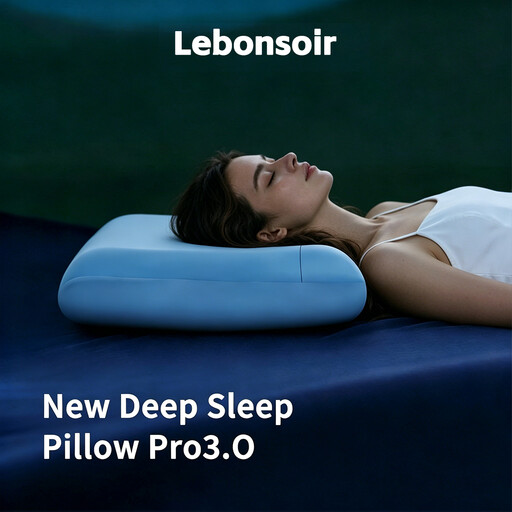
Why This Fits Their Persona: Ideal for individuals with sedentary jobs who are looking for reliable support to relieve tension. The ergonomic contour and defined neck support are tailored to the needs of back and side sleepers with desk jobs.
Instead of a "one-size-fits-all" approach, the 3-layer construction offers a combination of soft adaptation, stable support, and a firm base. This prevents sinking in too deeply and ensures consistent support.
The 3-layer structure of memory foam, support foam, and a base foam provides balanced pressure relief and stability. The breathable cover aids in temperature regulation.
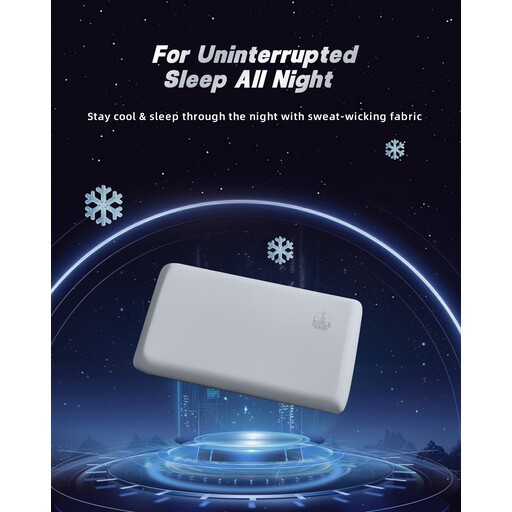
Why This Fits Their Persona: With its 10 cm height and generous queen-size surface, this pillow is specifically designed for side sleepers who need substantial support to keep their spine straight.
It avoids the "one-size-fits-all" trap by clearly positioning itself for side sleepers. The 10 cm height is a specific feature that directly addresses the need to fill the gap between the shoulder and head.
The combination of memory foam and a defined 10 cm height offers reliable and stable support for the side sleeping position. The cooling cover helps regulate the sleep climate.
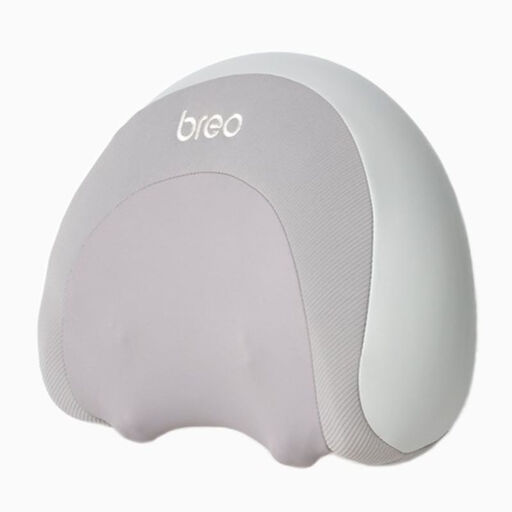
Why This Fits Their Persona: For users seeking not just passive support, but active relief from acute tension. This product combines an ergonomic support shape with an on-demand Shiatsu massage and heat function.
It sidesteps the trap of overrated passive features by offering an active function. The heat is precisely controlled by an NTC system and serves as functional heat therapy, not just a marketing gimmick.
The combination of a support pillow, massage, and heat in one device offers a multifunctional approach to relieving neck and shoulder discomfort. Three modes allow for a customizable experience.
We have compiled a complete, up-to-date list of products that meet these strict selection criteria and comply with current safety regulations.
An adjustment period of three to seven days is normal. Your body needs to adapt to the new, correct alignment of the spine. It can be helpful to use the pillow for only a few hours during the first few nights and gradually increase the duration until you are fully accustomed to it.
The foam core itself should never be machine washed or put in a dryer, as this will destroy the material's structure. Typically, only the pillowcase is machine washable; please refer to the manufacturer's care instructions. If necessary, you can spot-clean the core gently with a slightly damp cloth and a mild detergent. Afterward, let it air dry completely, away from direct sunlight.
The lifespan of a neck support pillow depends on the material quality and usage. Generally, replacement is recommended every two to three years. Clear signs that a change is needed are when the pillow no longer returns to its original shape, shows visible dents or cracks, or you notice that its supportive effect is diminishing.