
Lieferung heute & morgen

Qualitätsgarantie

Willkommens-Angebote freischalten: KOSTENLOSE Lieferung | Bis zu 80 % RABATT | Kostenlose 30-Tage-JoyPlus-Testphase
App herunterladen
Restful sleep is the foundation for an energised day. Yet, many people wake up with a stiff neck or shoulder tension. A common cause can be an unsuitable pillow that fails to properly support the cervical spine. An ergonomic neck support pillow is designed to promote a neutral sleeping posture and thereby improve sleep quality.
This article serves as a guide. It explains which features to look for when making your selection and presents an option designed for various sleep needs.
Choosing the right pillow depends on individual factors. Three key criteria will help you make an informed decision.
A commonly used material for neck support pillows is memory foam. This material reacts to body heat and pressure, conforming precisely to the contours of your head and neck, and slowly returns to its original shape after use. This "slow-rebound" property ensures even pressure distribution and can help minimise pressure points. A good memory foam pillow thus offers a combination of comfort and stable support.
Ergonomic pillows come in various shapes. Models with a wave-like contour often feature two different heights to accommodate different body types and sleeping positions.
The correct pillow height is crucial for keeping the cervical spine in a neutral position. A pillow that is too high or too low can lead to an unnatural curvature, making the right pillow for tension a critical factor. The firmness of the pillow should be chosen so that the head neither sinks in too deeply nor is propped up too high. The goal is for the head, neck, and spine to form a continuous line.
Based on the criteria mentioned, we present a product that is suitable for various needs due to its thoughtful design.
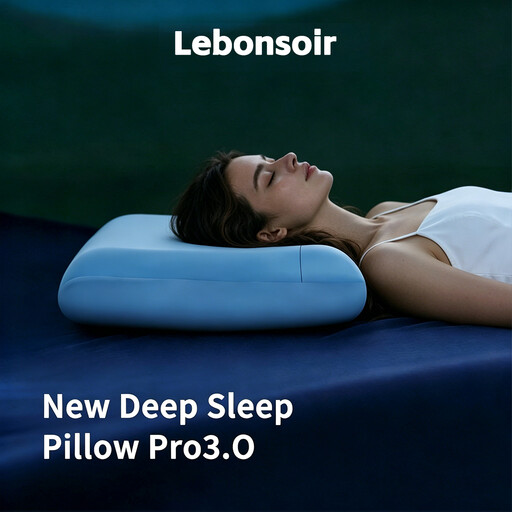
Why it's a great choice: The LEBONSOIR pillow features a 3-layer foam construction. The top layer of slow-rebound foam gently cradles the head and neck. Beneath it, a support layer ensures the head doesn't sink too deeply, while the bottom layer provides a stable base.
The ergonomic contour is modelled after the natural curve of the neck and shoulders, offering targeted support. A central depression in the pillow is designed to allow for freer breathing when sleeping on your back. The cover is designed to be breathable and moisture-wicking to promote a comfortable sleep climate without overheating.
Benefits at a Glance:
Who it's for: This pillow is aimed at individuals seeking targeted support for the neck and shoulder area to optimise their sleeping posture. It is designed for office workers, students, and all types of sleepers who value stable yet comfortable head support.
View the LEBONSOIR Neck Support Pillow
While an ergonomic pillow lays the functional foundation for good sleep, decorative cushions contribute to the atmosphere and cosiness of your bedroom or living room. They do not provide ergonomic support but serve to create visual accents.
|  |
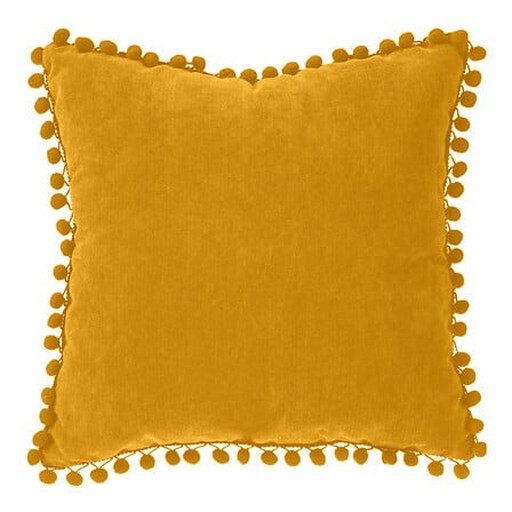 | | :---: | :---: | | Atmosphera Star Decor Cushion | Pompom Cushion in Ochre | | A decorative cushion with a golden star motif on a white background. Ideal for seasonal accents on the sofa or bed. | A soft cushion with playful pom-poms on the edges, providing a pop of colour in a warm ochre tone. | | View Details | View Details |
Looking for more decorative cushions to enhance your home seasonally or year-round? Discover our selection of Festive Cushions.
The body often needs some time to adjust to the new, corrected sleeping posture. An adjustment period of a few days to two weeks is normal. It is advisable to start by using the pillow for a few hours each night and gradually increase the duration of use.
For side sleepers, the pillow should bridge the distance between the outer edge of the shoulder and the ear. The goal is to position the head so that the spine forms a straight line. The ideal height, therefore, depends on individual shoulder width and mattress firmness.
An orthopaedic pillow is designed to promote an anatomically correct sleeping position. By keeping the cervical spine in a neutral alignment, it can help reduce strain on the neck and shoulder muscles during sleep. However, it is not a medical cure, and for persistent or severe discomfort, a doctor or physiotherapist should always be consulted.