
Lieferung heute & morgen

Qualitätsgarantie

Willkommens-Angebote freischalten: KOSTENLOSE Lieferung | Bis zu 80 % RABATT | Kostenlose 30-Tage-JoyPlus-Testphase
App herunterladen
An ergonomic neck support pillow is designed to cradle your head comfortably and keep your neck in as natural a position as possible. In practice, though, not every model suits every sleeping position. Pillows that are too high can cause your head to tilt sideways, while overly soft versions lose their shape, and a travel pillow may be space-saving on the go but unsuitable for longer use.
The product description alone is therefore not always enough. What really counts is the construction, height, material, care requirements and the specific purpose you have in mind.
A pillow with an 8 cm height may work for some people, but for others it could feel too low or too high. The key factors include:
A pillow for side sleepers often needs a different height than a model for back or stomach sleepers. The label “suitable for all sleeping positions” should therefore be understood as a general product claim, not a guarantee of individual fit.
Neck support pillows made from memory foam can adapt to heat and pressure. On its own, though, that tells you little about actual stability. A single-layer core can feel quite different from a multi-layer construction with separate support zones.
Check whether the manufacturer provides details on material construction, recovery behaviour and shape retention. It is also important to know whether the cover is removable and how it should be cleaned.
Foam cores usually cannot be washed in a machine. Even a breathable cover does not replace regular care. After unpacking, a production-related odour may be present. The pillow should therefore be allowed to air out for 24 to 48 hours according to the manufacturer’s instructions.
Look for a removable cover, clear cleaning instructions and adequate ventilation in the bedroom. If you notice visible cracks, crumbling foam or a permanent loss of shape, the product should no longer be used.
With an ergonomic sleep pillow, it is not just the measured height that matters. A contoured shape with a raised neck support and a central depression can influence how your head is positioned. The key is that your head is not pushed noticeably forward or to the side.
If you mostly sleep on your side, you should match the height to the distance between your shoulder and head. Back sleepers generally need a lower support. Stomach sleepers should pay particular attention to keeping the load from the pillow height to a minimum.
A cervical pillow made from slow-recovery foam adapts gradually under pressure. Depending on the design, this can allow for a softer sink-in feel or a more stabilising support. Multi-layer models combine different foam layers, for example a softer contact surface with a supportive base.
Terms like “orthopaedic neck pillow” or “pillow for neck and shoulder pain” are not automatically proof of medical suitability. A pillow does not replace medical advice or treatment. If you have persistent discomfort, numbness or restricted movement, you should seek medical advice.
For daily use, a removable cover and clear care instructions are practical selection criteria. With an inflatable travel pillow, the packed size, valve design, material and the ability to adjust the fill level are also important.
A breathable travel pillow can be more comfortable on longer journeys or flights if the cover allows air and moisture to circulate adequately. For on-the-go use, the neck support should also be quick to stow and easy to inflate without much effort.
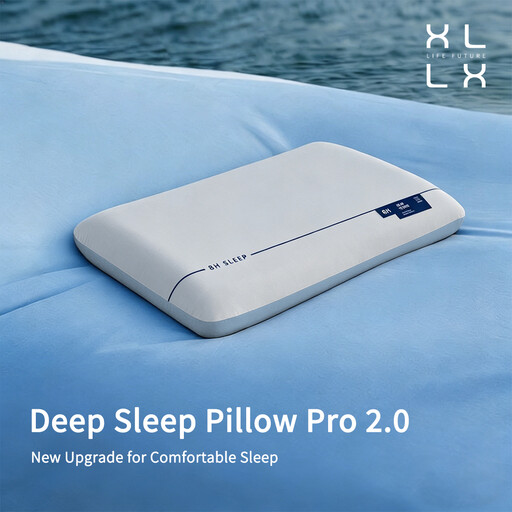
Why this product fits the profile: The memory foam core, 8 cm height and contoured shape offer a straightforward introduction to using an ergonomic neck support pillow. The model is specified for side, back and stomach sleepers.
The product details mention the material, height, sleeping positions and specific care and airing instructions. This makes it easier to assess the fit before buying.
Memory foam with slow recovery, central depression and ergonomic contour; the cover should be cleaned with a damp cloth and mild detergent.
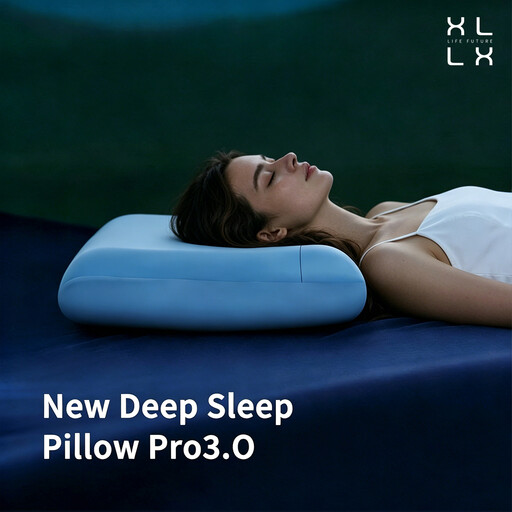
Why this product fits the profile: The three-layer construction is aimed at users who want to consider different material functions in one pillow: contact, support and load-bearing base layers.
The details describe the construction more thoroughly than a generic memory foam label. The cover is specified as breathable, moisture-wicking and temperature-regulating.
Three-layer foam construction, 8 cm height, central depression and a cover with specified air and moisture regulation properties.
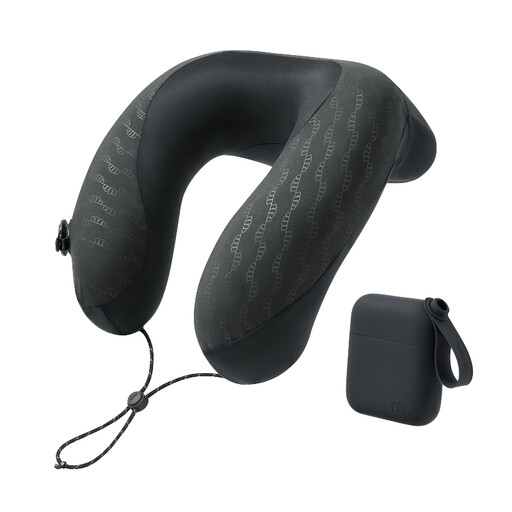
Why this product fits the profile: The inflatable travel pillow is aimed at commuters, students, frequent flyers and anyone who needs a neck support for on the go with a small packed size.
The air volume can be adjusted according to the product details. The model is inflated by pressure without a mouthpiece and can be folded compactly for storage.
Inflatable construction, polyester, nylon and TPU materials, stated dimensions of approximately 29.0 × 30.0 cm when inflated and adjustable fill level.
We have put together a complete, regularly updated list of products that fully meet these strict selection criteria and the safety regulations in force in the EU.
Place the pillow on your mattress so that the neck hollow supports your cervical area and your head lies as straight as possible. Test the position for a few minutes in your preferred sleeping posture. With an inflatable model, the air volume should be adjusted gradually. A travel pillow that is over-inflated can feel hard and restrict your freedom of movement.
The lifespan depends on foam quality, daily use, load and care. Visible loss of shape, crumbling foam or a permanently declining support effect are signs that it needs replacing. The foam core should not be machine washed. Always follow the care instructions provided by the manufacturer.
An inflatable travel pillow does not require electricity and incurs no ongoing energy costs during normal use. The only things to consider are care, occasional cleaning and, if necessary, a replacement in the event of leaks or material wear. Before buying, you should check the valve, seams and return conditions.