
Lieferung heute & morgen

Qualitätsgarantie
App herunterladen
Kategorien
Prolonged sitting is a physical reality of the modern workday. An ergonomic office chair is not a luxury, but a tool designed to support the body with adjustable components. Selecting the right model is based on an analysis of technical specifications, materials, and individual user requirements. This guide breaks down the crucial criteria and presents a selection of models for various user profiles.
The effectiveness of an office chair depends on its adaptability to the user. The following technical features are relevant for making an informed decision.
The mechanism determines how the seat and backrest respond to movement.
Proper spinal support is fundamental.
Based on the criteria mentioned, we have compiled a selection of chairs that cover different requirements.
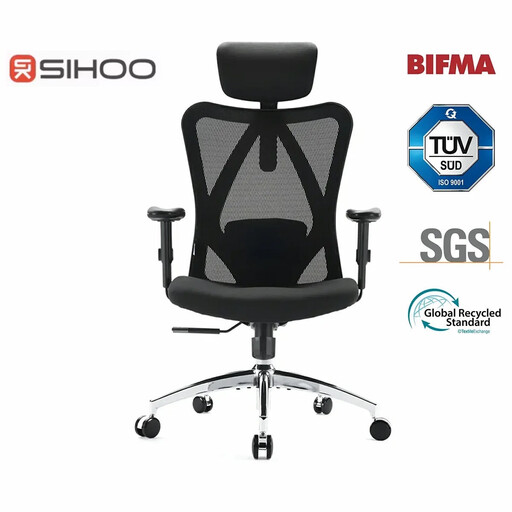
Why We Recommend This Product The SIHOO M18 stands out for its certifications (BIFMA and SGS) and its high degree of adjustability. Its design is based on a digital, dynamic human model to support a wide range of body sizes and postures. The W-shaped seat design and waterfall front edge are specific features aimed at relieving pressure during long periods of sitting.
Pros
Who It's For This desk chair is an option for professionals looking for a reliable and versatile chair for daily, multi-hour use in the office or as a chair for the home office.
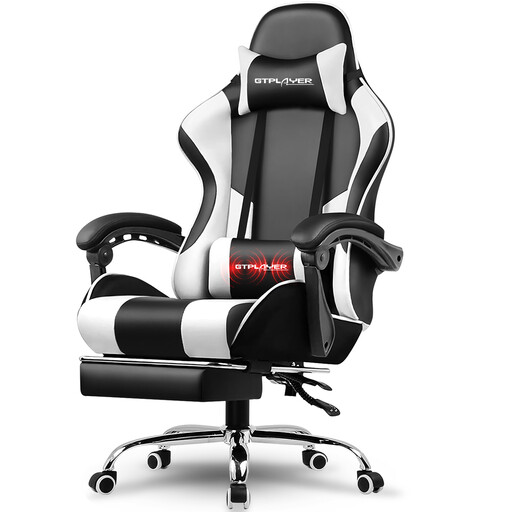
Why We Recommend This Product The GTPLAYER Gaming Chair integrates comfort features that go beyond standard ergonomics. The combination of a lumbar support with vibration massage and a retractable footrest addresses the desire for relaxation during long sitting sessions. The high recline angle of the backrest (up to 135 degrees) allows for a near-lying position.
Pros
Who It's For This model is aimed at gamers and users who are looking for a chair with additional comfort features for long sessions and who value a distinctive look. It can also be a functional alternative in the home office.
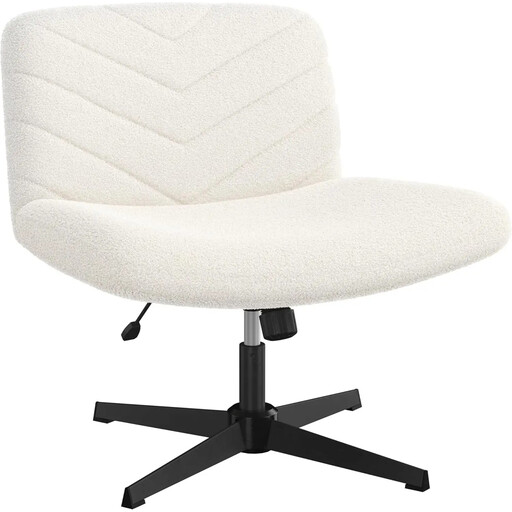
Why We Recommend This Product The Yaheetech Office Chair breaks with conventional design. Its wide, armless seat is explicitly designed to allow for alternative sitting positions, such as cross-legged. The stationary X-shaped metal base makes it a stable office chair without casters that fits well into living or creative spaces.
Pros
Who It's For Ideal for design-conscious individuals looking for a chair for the bedroom, living room, or a creative studio. It is suitable for users who frequently change their sitting position and prefer a fixed base over a rolling one.
The models presented cover specific user profiles. However, the market offers a much wider range of solutions that differ in material, design, and functionality. If you are looking for other variations, such as different backrest heights or specific upholstery fabrics, our main category provides a comprehensive overview.
Discover our entire selection of Office Chairs with Back Support.
1. What makes an office chair ergonomic? An office chair is considered ergonomic if it has multiple adjustable components that allow it to be adapted to the user's individual body measurements and needs. These typically include adjustable seat height, seat depth, armrests, and a supportive backrest, often with an adjustable lumbar support. A dynamic seating mechanism, such as a synchronous mechanism, is also a key feature.
2. How do I correctly adjust an ergonomic office chair? Start with the seat height, so your feet are flat on the floor. Adjust the seat depth so there is a gap of 2-3 fingers' width between the back of your knees and the front edge of the seat. Position the lumbar support in the curve of your lower back. The armrests should be set so that your shoulders are relaxed and your forearms can rest on the desktop at a 90-degree angle.
3. Is a gaming chair also suitable for the office? Yes, a gaming chair can also be suitable for office work, as many models offer basic ergonomic functions like adjustable armrests and a high backrest. They are often characterized by a more striking appearance and additional features such as a footrest or a deep recline. The decision depends on personal preferences and the work environment.