
Lieferung heute & morgen

Qualitätsgarantie

Willkommens-Angebote freischalten: KOSTENLOSE Lieferung | Bis zu 80 % RABATT | Kostenlose 30-Tage-JoyPlus-Testphase
App herunterladen
By Joybuy Product Recommendation Officer, July 19, 2026
For many people, long hours spent sitting at a desk have become the norm, whether in a home office or a traditional workplace. An unsuitable chair can quickly lead to tension and discomfort, which impairs concentration and well-being. Selecting the right chair is therefore a crucial decision for anyone looking to create a comfortable and supportive workspace.
This guide is designed to help you understand the essential features of an ergonomic office chair. We will present objective criteria and a selection of models to make your search for a suitable chair for long hours of sitting easier.
The term "ergonomic" refers to a chair's ability to adapt to the human body. Instead of relying on marketing promises, it is wise to focus on specific, adjustable features.
A good ergonomic desk chair is defined primarily by its adjustability. Look for the following customisation options:
The material affects both the comfort and the durability of the chair. A breathable office chair is particularly beneficial for long workdays.
Targeted spinal support is crucial for preventing poor posture.
Based on the criteria above, we have compiled a selection of chairs that cater to different requirements and usage scenarios.
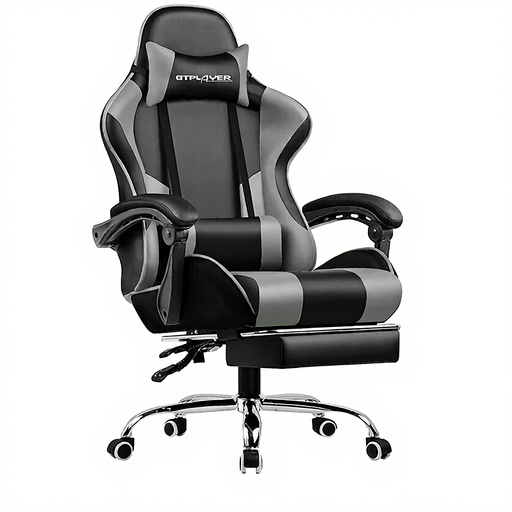
Why it stands out: This model combines the functions of an ergonomic office chair with comfort features often found in an ergonomic gaming chair. A special feature is the USB-powered massaging lumbar pillow, which can help relax the lower back muscles. The retractable footrest and a backrest that reclines up to 150 degrees also allow for comfortable breaks.
Pros:
Who it's for: This chair is aimed at users who also use their workspace for gaming or relaxation and value additional comfort features like a massage function and a reclining position.
See Details for the COMHOMA Gaming Office Chair
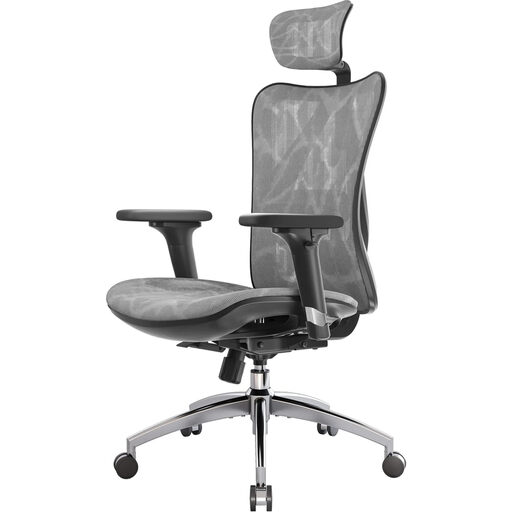
Why it stands out: The Sihoo M57S is distinguished by its comprehensive adjustment options and full mesh backrest. It features 3D armrests (adjustable in height, angle, and depth), customisable lumbar support, and an adjustable headrest. The W-shaped seat with a waterfall edge is designed to reduce pressure on the thighs. According to the manufacturer, the chair is BIFMA and SGS certified and designed for a load of up to 150 kg.
Pros:
Who it's for: Ideal for individuals in the office or home office who sit for many consecutive hours and seek a chair with maximum breathability and precise ergonomic adjustments.
See Details for the Sihoo M57S Office Chair
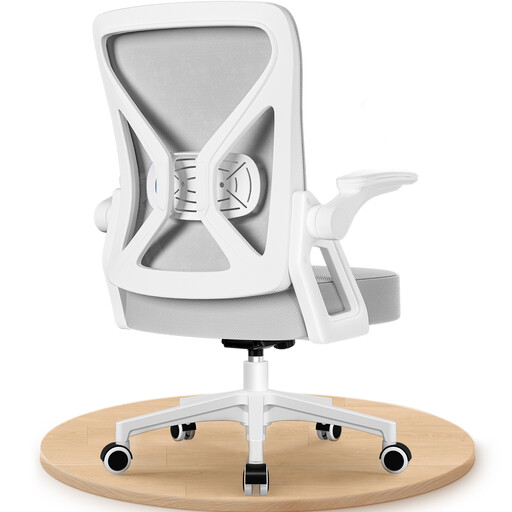
Why it stands out: The most prominent feature of this chair is its flip-up armrests. This practical function allows the chair to be pushed completely under the desk, saving space. Despite its sleek design, it offers adjustable lumbar support, a rocking function up to 125 degrees, and a weight capacity of up to 150 kg. The mesh backrest also ensures good ventilation.
Pros:
Who it's for: This chair is a great choice for users in a home office with limited space or for work environments where flexibility is key. It is also suitable for individuals who occasionally prefer to work without armrests.
See Details for the GTIMEX Office Swivel Chair
If the featured models do not fully meet your expectations or if you prefer a different colour scheme, you may find the right product in our broader selection. Discover more styles and designs in our office furniture category.
Explore Our Selection of Grey Office Furniture
1. What makes an office chair ergonomic? An office chair is considered ergonomic if it has multiple adjustment features that allow it to be customised to the user's individual body dimensions. These typically include adjustable seat height, seat depth, customisable armrests, and a backrest with lumbar support that encourages dynamic sitting.
2. How do I correctly adjust an ergonomic office chair? Start with the seat height, ensuring your feet are flat on the floor. Adjust the seat depth so there is a hand's width of space between the back of your knees and the edge of the seat. Set the lumbar support to the height of your lumbar spine. Finally, adjust the armrests so your shoulders are relaxed and your forearms rest on them at a right angle.
3. How long should you sit in an office chair? Even in a well-adjusted ergonomic chair, it is advisable to take regular breaks. It is recommended to stand up, stretch, and walk a few steps at least once an hour to loosen muscles and promote circulation. Long, uninterrupted periods of sitting should be avoided.