
Lieferung heute & morgen

Qualitätsgarantie

Willkommens-Angebote freischalten: KOSTENLOSE Lieferung | Bis zu 80 % RABATT | Kostenlose 30-Tage-JoyPlus-Testphase
App herunterladen
By the Joybuy Product Recommendation Officer
Long days at the desk have become the norm for many professionals and students. Whether in a corporate office or a home office, sitting for hours can lead to discomfort and tension. A suitable ergonomic office chair is therefore not an afterthought, but a fundamental component of a functional workspace.
This article serves as your guide. We will provide objective criteria for selection and present a curated list of models, each suited for different needs based on their specific features.
Choosing the right chair depends on your individual needs. Three main criteria will help you make an informed decision.
An ergonomic chair must adapt to your body, not the other way around. Look for a wide range of adjustment options that go beyond a simple height-adjustable desk chair.
The chair's material affects both comfort and durability. A mesh office chair offers excellent air circulation, which is particularly beneficial on warmer days or during extended periods of sitting, as it prevents heat and moisture build-up. In contrast, padded chairs with high-quality foam can provide a softer seating experience. The choice here is often a matter of personal preference.
The stability of an office chair is a key safety feature. Pay attention to the maximum weight capacity specified by the manufacturer. Models like an office chair for up to 150 kg are designed for heavier use and often offer a longer lifespan due to their more robust construction. Certifications such as BIFMA or SGS can also be an indicator of quality and safety, as they require standardised stress tests.
Based on the criteria mentioned, we have compiled a selection of chairs that stand out for their specific functions and customisation options.
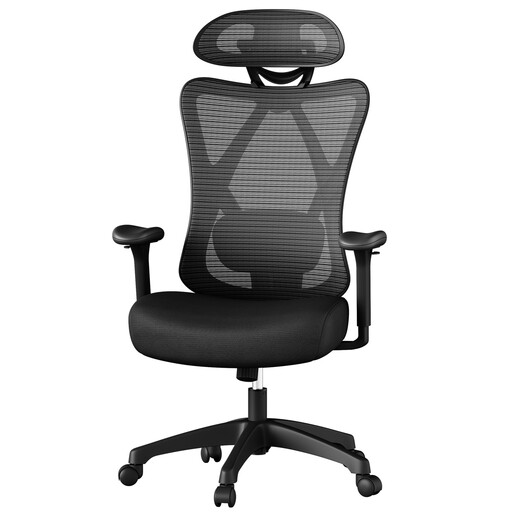
Why it stands out This model combines a high load capacity with comprehensive adjustment options. The flexible backrest tilt function and the customisable lumbar cushion make it a versatile option for various sitting postures throughout the workday.
Pros
Who is it for? This chair is an excellent choice for individuals looking for a robust and highly adjustable home office chair that is also suitable for taller and heavier users and ideal for prolonged sitting.
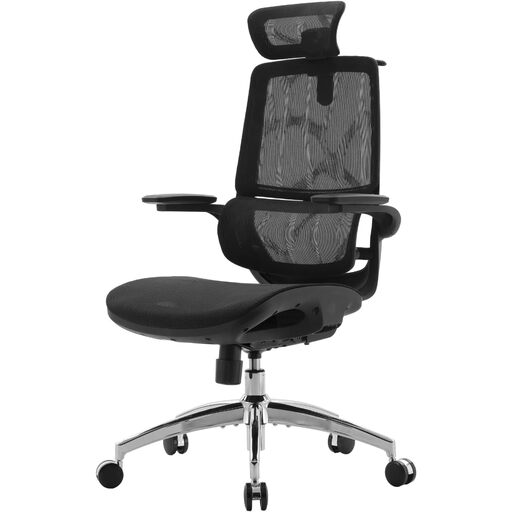
Why it stands out The SIHOO M59S is distinguished by its dual-backrest design with adaptive lumbar support that adjusts to the user's movements. Another practical feature is the 80-degree flip-up armrests, which allow the chair to be pushed neatly under the desk to save space.
Pros
Who is it for? Ideal for home office users with limited space. The flip-up armrests and dynamic back support appeal to those who value innovative features and flexible space utilisation.
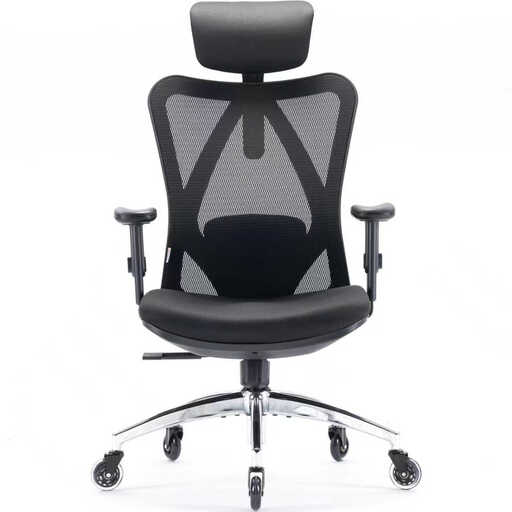
Why it stands out The SIHOO M18 offers a high degree of personalisation with five key adjustment options. The W-shaped seat design with a waterfall front edge is engineered to minimise pressure on the thighs. Its PU castors are known for their quiet and floor-friendly movement.
Pros
Who is it for? This chair is aimed at users who want maximum individual adjustment to find a sitting position precisely tailored to their body. It is a great option for people looking for a chair suitable for various floor types.
If the models presented here do not meet your specific requirements or if you prefer a different colour scheme, you can find a wider selection of seating solutions for your office or home office in our Grey-White Chair category.
An office chair is considered ergonomic if it has multiple adjustment features that allow the user to adapt the chair to their individual body measurements and needs. These typically include adjustable seat height, seat depth, backrest, armrests, and lumbar support. The goal is to promote a healthy, upright posture and minimise physical strain.
A basic setup can be done in a few steps:
A mesh office chair is an excellent choice for many, especially because of its high breathability. The material prevents heat build-up and ensures a comfortable seating climate, even after hours of use. Mesh also provides a firm, supportive structure. Whether this is preferred over a softly padded chair ultimately depends on personal comfort preferences.