
Lieferung heute & morgen

Qualitätsgarantie

Willkommens-Angebote freischalten: KOSTENLOSE Lieferung | Bis zu 80 % RABATT | Kostenlose 30-Tage-JoyPlus-Testphase
App herunterladen
An ergonomic office chair is a fundamental investment for anyone who spends long hours at a desk—whether in a home office, a corporate setting, or while studying. However, the market is crowded and filled with marketing hype. Many chairs advertised as "ergonomic" turn out to be inadequate, leading to discomfort rather than promoting healthy posture. This guide will help you identify the crucial features and avoid common purchasing pitfalls.
Before we dive into the essential features, you should be aware of the most common issues that can lead to a bad purchase.
To make an informed decision, focus on verifiable, technical features rather than marketing slogans. A good ergonomic desk chair is defined by the following three core elements.
The heart of any ergonomic chair is its ability to adapt to your body. A chair with lumbar support is crucial here. Ensure that it is not only present but also adjustable in height and, ideally, depth to provide targeted support to your lower back. The chair's mechanism is equally important. A synchronous mechanism is the standard, allowing the backrest and seat to tilt in a coordinated ratio. This promotes "dynamic sitting," where posture is changed regularly, relieving pressure on the intervertebral discs.
For daily use in a home office chair, the material is critical. A mesh back offers excellent air circulation and prevents heat buildup. For the seat, a combination of high-density foam and a breathable cover ensures long-lasting comfort. Look for quality certifications like BIFMA or SGS. These standards confirm that the chair has passed tests for load capacity, stability, and durability. Models certified as a chair for up to 150 kg generally offer a more robust construction suitable for a wide range of users.
A chair can only be ergonomic if it fits your body measurements. Check three key dimensions:
Based on these objective criteria, we have identified several models suitable for different needs and budgets.
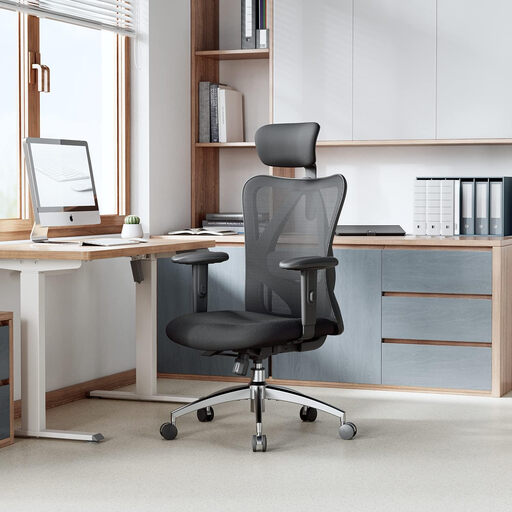
Why This Fits Their Persona: Ideal for students or setting up a first home office. This model offers essential ergonomic features without breaking the bank.
Instead of an empty promise, this chair offers an adjustable lumbar support and headrest. Its BIFMA and SGS certifications address concerns about a lack of stability.
Solid core features with a certified 150 kg weight capacity and a breathable mesh back. Excellent value for money.
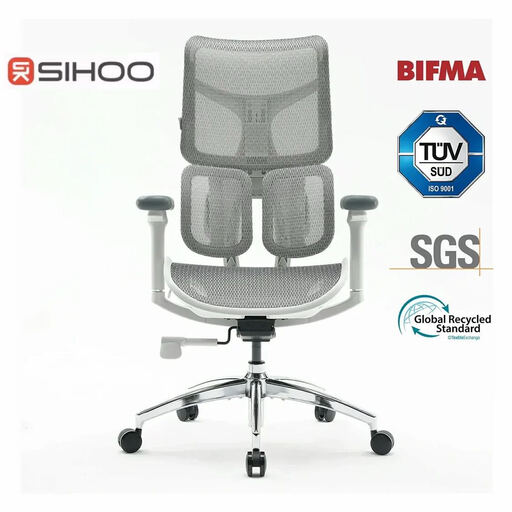
Why This Fits Their Persona: For professionals who sit for over eight hours daily and need advanced, dynamic support to prevent fatigue and strain.
This model goes beyond basic ergonomics. The dual, dynamic lumbar support and 4D armrests automatically adapt to your movements—this is functional engineering, not just marketing.
Advanced, adaptive lumbar support and fully adjustable armrests that are synchronized with the backrest. Ideal for dynamic sitting over long periods.
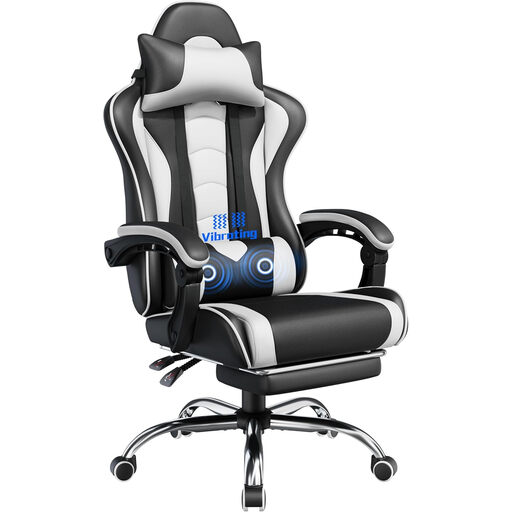
Why This Fits Their Persona: Perfect for users looking for a versatile computer chair that offers maximum comfort not only for work but also during breaks and gaming sessions.
Although it looks like a typical gaming chair, it avoids the instability trap with an SGS-certified gas lift and a solid 136 kg weight capacity. Its ergonomics are functional, thanks to adjustable cushions and a reclining backrest.
Extra comfort features like a built-in massage function and a retractable footrest. The backrest reclines up to 135° for relaxing breaks.
We have compiled a complete, up-to-date list of products that fully meet these strict selection criteria and relevant safety regulations.
Start with the seat height: your feet should be flat on the floor. Then, adjust the seat depth so there is a hand's width of space between the seat edge and the back of your knees. Next, adjust the lumbar support to the height of your lower back. Finally, set the armrests so your forearms rest at a 90-degree angle with relaxed shoulders.
The lifespan heavily depends on the quality of the components and usage. A chair with BIFMA certification is designed to last for several years. Pay attention to the manufacturer's warranty. Models with replaceable parts like casters or gas lifts can often be used for even longer.
Both materials have their pros and cons. A mesh back is unmatched in breathability and is ideal for people who tend to sweat or work in warmer environments. In contrast, high-quality cushioning can provide a softer feel and distribute pressure more evenly. The choice ultimately comes down to personal preference and your work environment.