
Lieferung heute & morgen

Qualitätsgarantie

Willkommens-Angebote freischalten: KOSTENLOSE Lieferung | Bis zu 80 % RABATT | Kostenlose 30-Tage-JoyPlus-Testphase
App herunterladen
By Your Joybuy Product Recommendation Officer
Long days at the desk can lead to tension and discomfort, especially when your chair doesn't provide the right support. The wrong chair not only impacts your well-being but also your concentration and productivity. However, with so many options and technical terms, the search for a suitable model can quickly become overwhelming.
This guide is designed to bring you clarity. We'll introduce objective criteria to consider when choosing an ergonomic office chair and present a selection of models that stand out for their specific functional features.
An ergonomic office chair is more than just a place to sit. It's a tool that should adapt to your body, not the other way around. Here are some key aspects to consider in your decision.
Adaptability is the core feature of an ergonomic chair. Since every body is different, a wide range of adjustment options is crucial for maintaining correct posture. Look for the following features:
The material affects both the comfort and the durability of the chair. A mesh office chair is a popular choice, as the mesh fabric offers high breathability and promotes air circulation. This is especially beneficial for prolonged sitting, as it prevents heat build-up.
At the same time, the maximum load capacity is an important safety and quality factor. Models designed for a higher weight, such as an office chair rated for up to 150 kg, often feature a reinforced base and a more robust gas lift. Always check the manufacturer's specifications for the maximum static load capacity to ensure the chair is suitable for your needs.
Based on the criteria mentioned, we have compiled a selection of chairs that stand out for their specific features and adjustability.
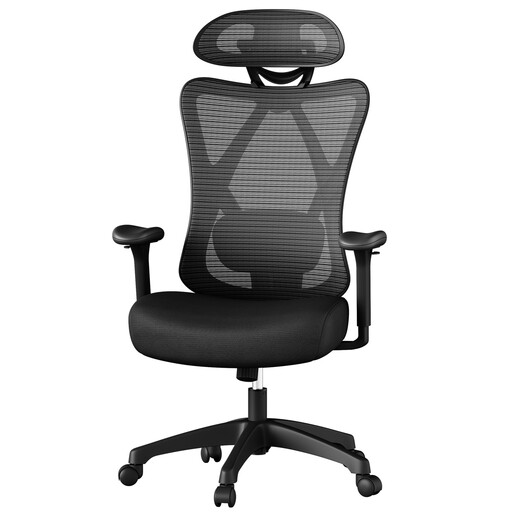
What sets this model apart This chair combines essential ergonomic functions with a focus on comfort. The flexible recline function of the backrest allows for an easy switch between work and relaxation modes. The soft lumbar cushion adapts to the lower back, providing targeted support.
Benefits
Who is this model for? This model is an excellent choice for users looking for a versatile ergonomic desk chair for long work hours, who value a flexible backrest and a high load capacity.
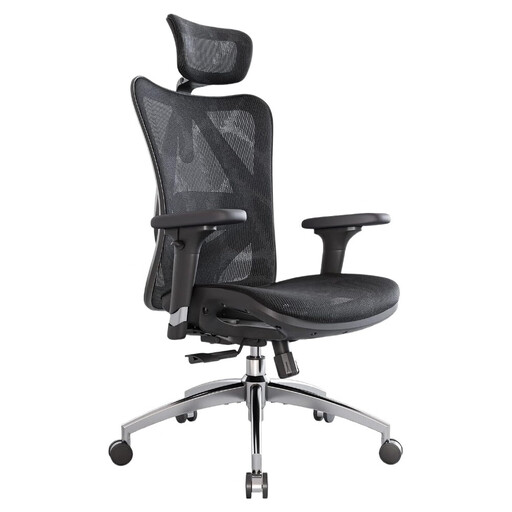
What sets this model apart The Sihoo M57S places a special emphasis on precise customisation, particularly with its armrests. The 3D armrests can be adjusted in height, depth, and rotation, offering highly individualised support for your arms and shoulders. The S-shaped backrest is designed to support the natural shape of the spine.
Benefits
Who is this model for? This chair is particularly suitable for individuals who require precise armrest positioning and prefer a chair with a pronounced ergonomic backrest shape for extended periods of sitting.
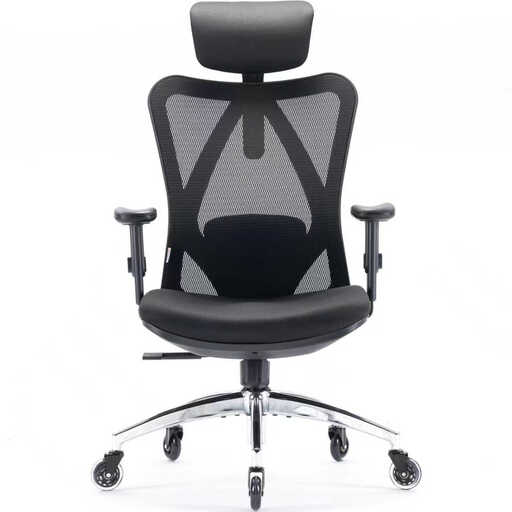
What sets this model apart The SIHOO M18 offers five key adjustment points to create a personalised seating position. In addition to the adjustable headrest and lumbar support, the model features a W-shaped seat with a "waterfall" edge, designed to reduce pressure on the thighs. The PU casters are designed for smooth movement on various floor types.
Benefits
Who is this model for? This model is worth considering for users seeking a comprehensively adjustable system who place a high value on a seat design that minimises pressure on the legs.
The models presented here cover a range of needs. However, if you are looking for different designs, materials, or specific colour combinations, you will find a wider selection in our category.
? Explore more models in the black computer chair category here.
An office chair is considered ergonomic if it can be adapted to the user's individual body dimensions and needs through a variety of adjustment options. These typically include adjustable seat height, backrest, armrests, and customisable lumbar support. The goal is to promote a healthy posture and minimise physical strain.
A basic setup is as follows:
Even with a high-quality ergonomic office chair, it is not advisable to sit uninterrupted. Regular breaks where you stand up, stretch, and walk a few steps are important to loosen muscles and promote circulation. Dynamic sitting—regularly changing your sitting position—is also recommended.