
Lieferung heute & morgen

Qualitätsgarantie

Willkommens-Angebote freischalten: KOSTENLOSE Lieferung | Bis zu 80 % RABATT | Kostenlose 30-Tage-JoyPlus-Testphase
App herunterladen
Long days at the desk, intense gaming sessions, or daily tasks in the home office—many of us spend a significant part of our day sitting. Over time, this can lead to tension and back pain. The right chair is therefore not an afterthought, but an essential investment for focused work and well-being.
This guide is here to help. We'll introduce you to various models and explain the key features to look for, enabling you to make an informed decision for your workspace.
Selecting the right chair depends on your individual needs and intended use. Three key criteria will help you narrow down the options.
An ergonomic chair should adapt to your body, not the other way around. Look for a wide range of adjustment options. A height- and depth-adjustable lumbar support is crucial for providing targeted relief to the lower back. Equally important are adjustable armrests to relax the shoulder and neck muscles, as well as customisable seat height and depth to ensure proper blood circulation in your legs. A backrest recline function also promotes dynamic sitting and prevents a static posture.
A chair's stability is a direct measure of its durability and safety. A swivel chair with a 150 kg load capacity provides a robust foundation for most users. Pay attention to the base material (metal is often more durable than plastic) and the quality of the gas lift. Certifications like BIFMA or SGS indicate that components have been tested for safety and endurance. The upholstery also plays a role: mesh fabric is breathable and ideal for long periods of sitting, while fabric or leather covers offer different tactile and aesthetic qualities.
The requirements for a chair for the home office differ from those for an ergonomic gaming chair. While a classic executive chair is often designed for a professional aesthetic and premium comfort, gaming chairs typically feature a more pronounced bucket seat reminiscent of a racing seat and a deeply reclining backrest for relaxation between games. Consider which features are most important for your daily routine.
Here is a selection of chairs that cater to different requirements and use cases.
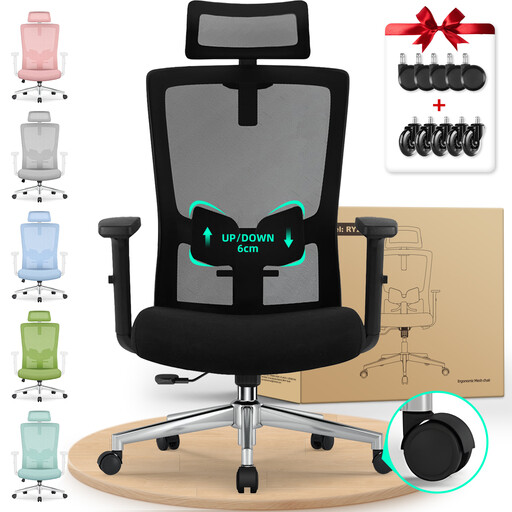
Why it stands out: This model focuses on the core functions of ergonomics. Its S-shaped backrest is designed to mimic the natural curve of the spine. Paired with a 6 cm adjustable lumbar support and a customisable headrest, the chair offers comprehensive support for your entire back.
Pros:
Who it's for: Ideal for individuals who spend many hours a day in a home office or corporate setting and need a functional, highly adjustable chair with a high weight capacity.
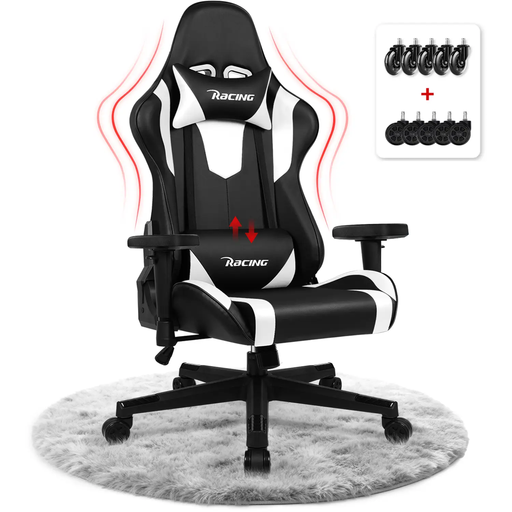
Why it stands out: This chair combines the aggressive aesthetic of a gaming chair with ergonomic features. The exceptionally deep recline and pronounced side bolsters provide stability during intense gaming sessions. Adjustable lumbar and neck pillows allow for customised cushioning.
Pros:
Who it's for: This ergonomic gaming chair is the right choice for gamers and streamers who need a chair with maximum recline flexibility and a stabilising design for long sessions.
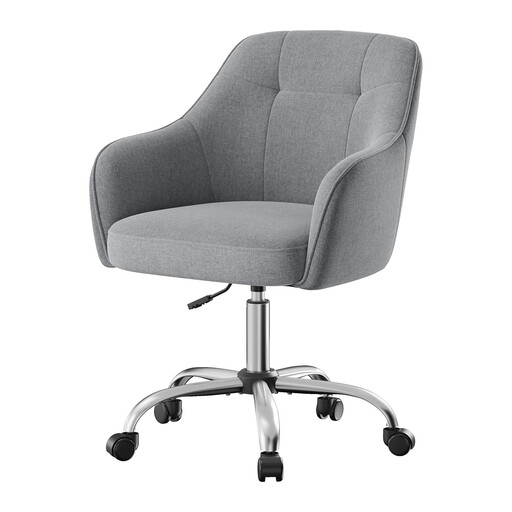
Why it stands out: This model focuses on a modern, residential design without neglecting fundamental ergonomic functions. With its linen-look upholstery and curved form, it blends seamlessly into a stylishly furnished home office.
Pros:
Who it's for: Perfect for users looking for a comfortable and visually appealing chair for the home office for moderate daily use, where aesthetics are just as important as seating comfort.
Haven't found the right model yet, or want to get a broader overview? Explore more models and find the chair that perfectly matches your requirements.
Discover Our Full Range of Ergonomic Chairs
1. How do you correctly adjust an ergonomic office chair? Start with the seat height: your feet should be flat on the floor with your knees at an approximate 90-degree angle. Adjust the seat depth so there is a gap of about two to three fingers' width between the back of your knees and the front edge of the seat. The lumbar support should support the natural curve of your lower spine. The armrests should be set so that your forearms rest horizontally with your shoulders relaxed.
2. What is the difference between a gaming chair and an office chair? The main difference often lies in the design and specific features. Gaming chairs frequently have a bucket-style seat, pronounced side bolsters, and a deeply reclining backrest for taking breaks. Ergonomic office chairs tend to focus on more subtle but precise adjustments, such as adjustable seat depth and dynamic lumbar support for long, focused work sessions.
3. How important is lumbar support? Lumbar support is a key feature of an ergonomic chair. It supports the natural S-curve of the lower spine, preventing your back from slumping into an unhealthy, rounded posture. This significantly helps to relieve pressure on the spinal discs and prevent lower back pain, especially during long periods of sitting.