
Lieferung heute & morgen

Qualitätsgarantie

Willkommens-Angebote freischalten: KOSTENLOSE Lieferung | Bis zu 80 % RABATT | Kostenlose 30-Tage-JoyPlus-Testphase
App herunterladen
By Joybuy Product Recommendation Officer, August 29, 2026
Long hours at a desk have become the norm for many people working from home or studying. An unsuitable chair not only causes discomfort but can also contribute to long-term postural damage and chronic back pain. However, the market is flooded with products whose marketing promises often don't stand up to scrutiny. Before you make a purchase, it's crucial to understand the common pitfalls to avoid a poor investment.
Two widespread problems when choosing a chair are:
To find a chair that will reliably support you for years, you should focus on objective, verifiable criteria rather than advertising claims.
One of the most important features is the lumbar support. Its job is to support the natural S-curve of the lower spine, reducing pressure on the spinal discs. A high-quality office chair with lumbar support is distinguished by an adaptive or at least height-adjustable support system. Rigid, non-adjustable curves rarely fit an individual's body shape and, in the worst case, can even create additional pressure in the wrong places. An adaptive support, on the other hand, adjusts to your movements and provides continuous support.
A truly ergonomic home office desk chair must adapt to your body, not the other way around. Look for the following adjustment options and materials:
Choosing the right chair depends on your individual needs and work environment. Here are some recommendations tailored to specific user profiles.
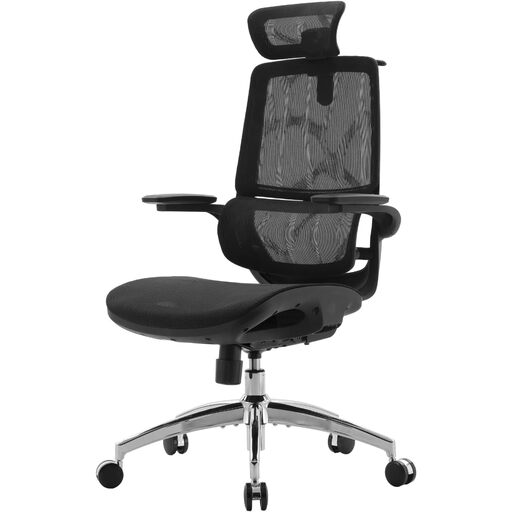
Why It's a Match: Ideal for users who prioritise their back health and are looking for a long-term solution for daily, hours-long desk work. The focus is clearly on correct postural support.
This model bypasses the "ergonomics" trap with its adaptive lumbar support in a dual-backrest design. The BIFMA and SGS certifications also confirm its tested durability and a weight capacity of up to 150 kg.
The combination of adaptive back support, breathable mesh fabric, and 80° flip-up armrests offers a functional and space-saving solution.
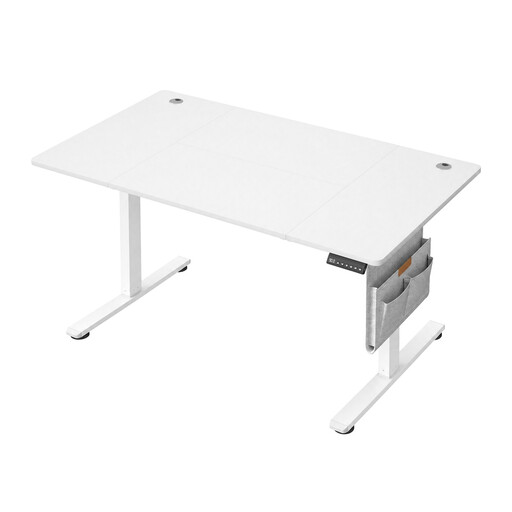
Why It's a Match: For users who understand that ergonomics also means movement. A height-adjustable desk allows you to switch between sitting and standing, promoting a dynamic working posture.
This product complements a good chair by breaking the trap of rigid, static sitting. Even the best chair cannot fully compensate for the negative effects of uninterrupted sitting.
The quiet motor and four memory presets for height adjustment allow for a quick and easy change of working position without disrupting your workflow.
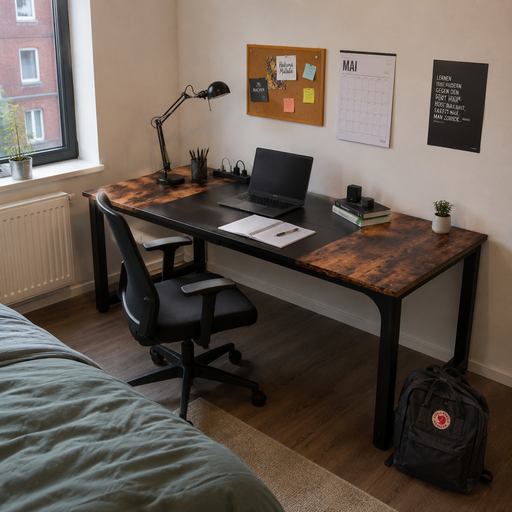
Why It's a Match: For users with multiple monitors, extensive peripherals, or a need for significant space for documents. A large work surface is the foundation for an ergonomic arrangement of all work equipment.
A desk that is too small forces you into an unnatural posture and negates the benefits of a good chair. This generous surface allows for the correct positioning of monitors and keyboards.
The very large 180 x 80 cm work surface and the sturdy steel frame with a high load capacity of up to 260 kg provide a solid and durable foundation for demanding workstations.
If space is a critical factor, a folding desk can be a smart addition to your ergonomic chair.
We have compiled a complete, up-to-date list of products that fully meet these rigorous selection criteria and safety standards.
The lifespan of a high-quality ergonomic office chair is typically between 5 and 10 years. This depends heavily on the quality of the components, such as the gas lift, base, and upholstery material, as well as the intensity of use. Models with certifications like BIFMA are designed for greater durability.
Both materials have their advantages. A mesh office chair offers unmatched air circulation, which is particularly beneficial during long sitting periods or in warmer environments. A well-padded chair, on the other hand, can provide a softer, more cushioned feel. The decisive factor is the quality of the respective material. High-quality mesh remains taut even after years of use, while low-quality foam quickly loses its supportive properties.
Although all adjustments work together, the correct setting of the seat height in combination with the position of the lumbar support is fundamental. The goal is to achieve a neutral posture: feet flat on the floor, knees bent at a 90-degree angle, and the natural curve of the lumbar spine actively supported. This forms the basis for a healthy sitting posture.