
Lieferung heute & morgen

Qualitätsgarantie

Willkommens-Angebote freischalten: KOSTENLOSE Lieferung | Bis zu 80 % RABATT | Kostenlose 30-Tage-JoyPlus-Testphase
App herunterladen
Long days at a desk, whether in the office or at home, often leave their mark in the form of neck and back pain. An ergonomic office chair is frequently touted as the solution, but the market is overwhelming. Many models advertise themselves as "ergonomic" without meeting the crucial criteria. This leads to poor purchasing decisions that strain not only your wallet but also your health.
As a Joybuy Product Recommendation Officer, I analyse product information daily to help you distinguish between marketing promises and genuine quality features. In this guide, I'll show you the most common pitfalls when buying an office chair and which core features you must look for to make an informed decision for a back-friendly workspace.
Before we delve into the essential features, we should be aware of the typical mistakes that lead to unsuitable purchases.
To avoid the pitfalls mentioned above, focus on three verifiable criteria. These define whether a home office chair or an executive chair is truly supportive for your back.
A good ergonomic chair adapts to you, not the other way around. Look for the following adjustment options:
Prolonged static sitting is harmful. A good mechanism encourages movement and relieves pressure on the intervertebral discs.
The longevity and safety of your chair depend directly on the materials used.
To make the selection easier, we have compiled a few models based on the criteria mentioned for different requirements.
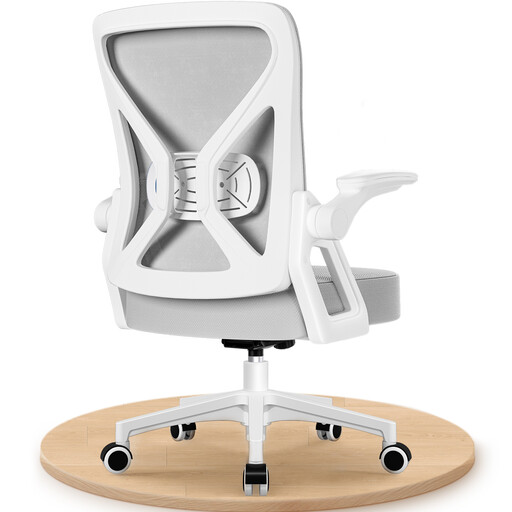
Why it's a match: Ideal for a first home office or for users looking for solid, essential features. It combines key ergonomic functions with a practical, space-saving design.
This model escapes the "one-size-fits-all" trap with an adjustable lumbar support and customisable seat height. The 150 kg weight capacity indicates a solid foundational construction.
The flip-up armrests are a clear plus for flexible workspaces, allowing the chair to be pushed completely under the desk.
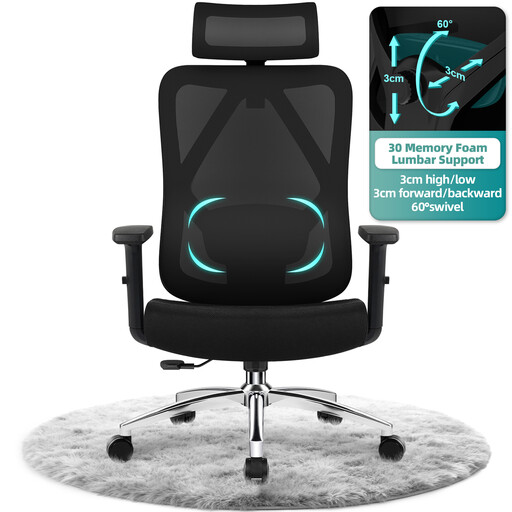
Why it's a match: For individuals who spend over eight hours a day at their desk and require maximum customisability and an extremely robust build.
This model refutes the empty "ergonomics" promise with a 3D-adjustable memory foam lumbar support and a multi-level locking backrest. The high 200 kg weight capacity and aluminium alloy base directly address concerns about poor stability.
The combination of a high weight capacity (200 kg) and precise, multi-dimensional lumbar support adjustment offers the highest level of individual comfort and safety.
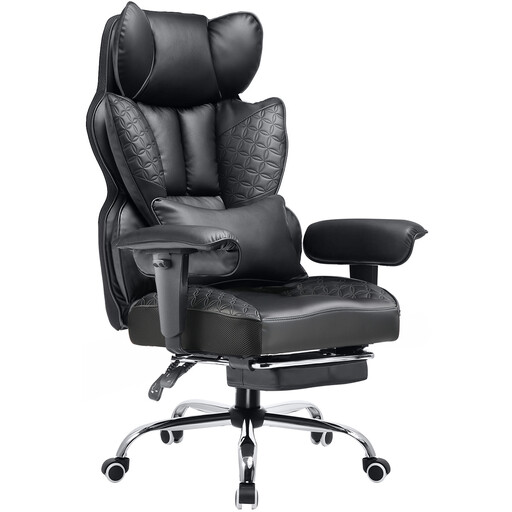
Why it's a match: Specifically designed for larger and heavier individuals who need a chair with generous dimensions, a robust structure, and a high weight capacity limit.
This model specifically addresses the pitfall of inadequate weight capacity. The "Big and Tall" design ensures that all components, from the gas lift to the frame, are built for higher demands, thus avoiding the "one-size-fits-all" error.
The explicit design as a heavy-duty chair provides the necessary safety and durability. The integrated footrest and executive-style PU leather cover add an extra layer of comfort.
We have compiled a complete, up-to-date list of products that fully meet these strict selection criteria and German safety regulations.
Proper adjustment is crucial. Follow these steps:
The lifespan heavily depends on the intensity of use, materials, and build quality. A high-quality back-friendly office chair with a metal base and a certified gas lift should last for several years with daily use. Lower-priced models often show signs of wear after just one to two years. Checking the manufacturer's warranty period can be a good indicator of expected durability.
Both materials have their pros and cons. A mesh back is very breathable and ensures good air circulation, which is pleasant in warmer environments or for people who tend to sweat. A padded cover (fabric or PU leather) often provides a softer, more enveloping feel that some find more comfortable. The choice ultimately comes down to personal preference and the climate of your workspace.