
Lieferung heute & morgen

Qualitätsgarantie

Willkommens-Angebote freischalten: KOSTENLOSE Lieferung | Bis zu 80 % RABATT | Kostenlose 30-Tage-JoyPlus-Testphase
App herunterladen
For many of us, long hours sitting in an office or home office are a daily reality. However, an ill-fitting desk chair can quickly lead to tension and discomfort. The market is flooded with models advertised as "ergonomic," but not every chair delivers on its promise. As your Joybuy Product Recommendation Officer, I'll help you identify the crucial features and steer clear of common purchasing pitfalls.
This guide will show you what to look for to make an informed decision on your new ergonomic office chair—an investment in your daily comfort and well-being.
Before we dive into the essential features, let's highlight the typical issues that can lead to a bad purchase. Knowing these will help you search more effectively for a durable and suitable model.
To avoid these pitfalls, focus on verifiable, technical specifications. Three parameters are particularly crucial for a good chair for extended sitting.
The mechanism is the heart of any office chair. A simple rocking mechanism tilts the seat and backrest back at the same angle. The synchronous mechanism is superior: here, the backrest reclines more than the seat (e.g., at a 2:1 or 3:1 ratio). This promotes circulation, relieves pressure on the intervertebral discs, and supports a dynamic sitting posture, which is especially important in a home office.
An office chair with lumbar support is standard today, but the quality of that support varies greatly. Good lumbar support should be adjustable not only in height but ideally also in depth (often referred to as 2D or 4D lumbar support). This allows you to precisely match the curve to the natural S-shape of your spine and provide targeted relief to the lumbar region.
The choice of upholstery affects both comfort and durability.
Based on these criteria, we have curated a selection of models for different user profiles.
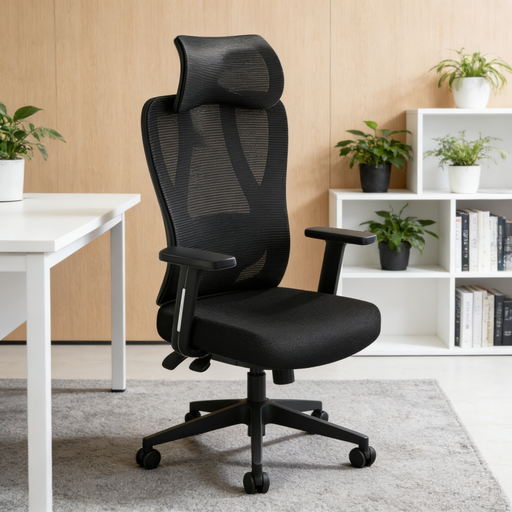
Why This Fits Their Persona: Ideal for individuals who sit for many hours daily and value precise, customisable support, whether for office work or gaming.
This model goes beyond the mere marketing promise of "ergonomic" by offering a 4D pivoting lumbar support that allows for highly targeted adjustment.
The combination of a breathable 2-layer mesh and a high-elastic, pressure-relieving seat cushion ensures comfort without heat buildup.
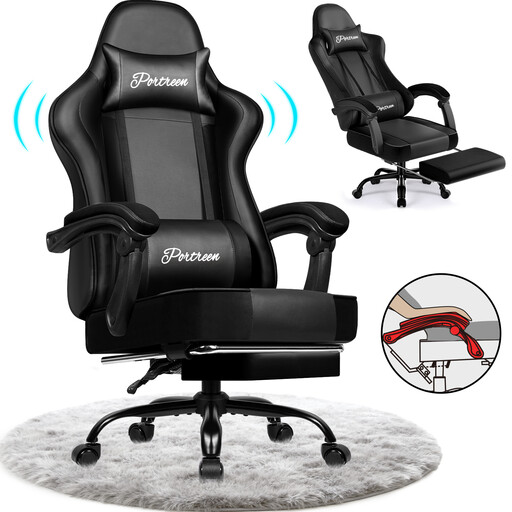
Why This Fits Their Persona: Perfect for gamers or users looking for a chair for intense sessions and relaxing breaks. The high weight capacity and relaxation features are key here.
This chair sidesteps the subpar materials trap with a robust steel frame and a weight capacity of up to 150 kg. BIFMA and SGS certifications confirm its tested quality.
The combination of a backrest that reclines up to 170° and a retractable footrest offers flexibility for gaming, work, and relaxation.
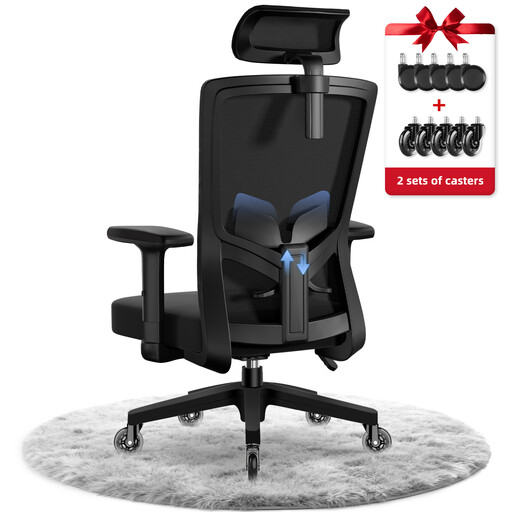
Why This Fits Their Persona: A solid choice for anyone seeking a functional, ergonomic chair for their home office without a large budget.
It avoids the "one-size-fits-all" trap with a high weight capacity of 150 kg and multiple adjustment options for the headrest, armrests, and lumbar support—features not always standard in this price range.
The S-shaped backrest made of breathable nylon mesh and the adjustable lumbar support provide a solid ergonomic foundation.
Some chairs offer additional features like a headrest for better neck relief. If this is an important criterion for you, we have curated a suitable selection.
The lifespan heavily depends on the quality of the components and usage. Look for certifications like BIFMA or SGS, which confirm that parts like the gas lift and base have been tested for durability and safety. A chair with a sturdy metal base and high-quality foam can last five years or more with regular care and proper use.
Yes, many gaming chairs offer excellent ergonomic features that are also well-suited for office work. They often feature high backrests, adjustable armrests, and robust construction. The main difference is usually the design: gaming models often have a flashier aesthetic and pronounced side bolsters, whereas a classic home office chair has a more understated design. The choice depends on your personal preferences and the requirements of your workspace.
Sit up straight and slide your hips as far back into the chair as possible. The curve of the lumbar support should fill the natural curve of your lower back without creating uncomfortable pressure. You should feel a gentle but noticeable support in the small of your back. If the support is height-adjustable, position it just above your beltline. Take a few minutes to find the setting that works best for you.