
Lieferung heute & morgen

Qualitätsgarantie

Willkommens-Angebote freischalten: KOSTENLOSE Lieferung | Bis zu 80 % RABATT | Kostenlose 30-Tage-JoyPlus-Testphase
App herunterladen
Published on: August 28, 2026
Author: Joybuy Product Recommendation Officer
Sitting for long periods in the office or at home can lead to tension and discomfort. A suitable ergonomic office chair is therefore not a luxury, but a fundamental necessity for focused work and maintaining back health. However, the market is flooded with models whose promises often outweigh their actual function.
This guide will help you identify the crucial features and avoid common buying traps. We'll show you what to look for to make an informed decision for your workspace.
Before diving into the positive features, it's wise to know the most common shortcomings that can render a chair useless after a short time.
To avoid a bad purchase, you should focus your attention on three core technical areas. These determine whether a desk chair is ergonomic and suits your individual needs.
A chair must adapt to your body, not the other way around. Look for the following adjustment options:
The mechanism controls the movement of the seat and backrest. It is crucial for dynamic sitting.
The quality of the materials used has a direct impact on comfort and lifespan.
Based on the criteria above, we have identified some models suitable for different requirements and work styles in the home office chair segment.
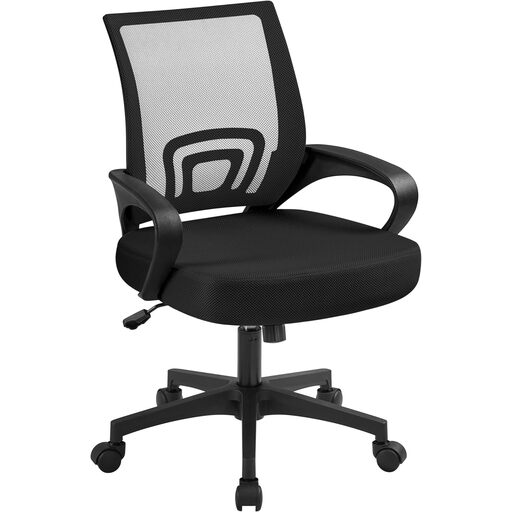
Why it's a good fit: Ideal for students or occasional home office days. It provides the necessary basic ergonomic functions without breaking the bank and is a solid alternative to simple chairs that lack any support.
This model features a breathable mesh backrest that prevents heat build-up. The specified weight capacity of 136 kg and the SGS/BIFMA certification of the gas lift inspire confidence in its stability.
Offers integrated lumbar support and a tilt function for basic comfort and movement. The adjustable seat height allows it to adapt to different desk heights.
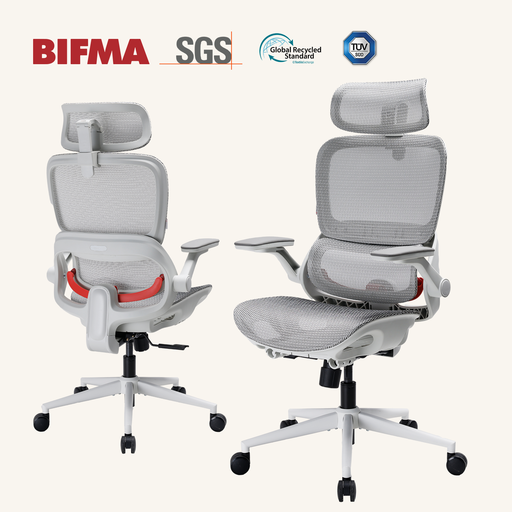
Why it's a good fit: Designed for people who spend many hours at their desk daily and value maximum adjustability and advanced support features to actively prevent fatigue.
Instead of a rigid support, this model offers adaptive lumbar support that adjusts to the user's movements. This goes far beyond the empty "ergonomic" promise and provides dynamic support.
The combination of adaptive lumbar support, a wide headrest, and 360° flip-up armrests allows for very fine and individual adjustment to any sitting position and task.
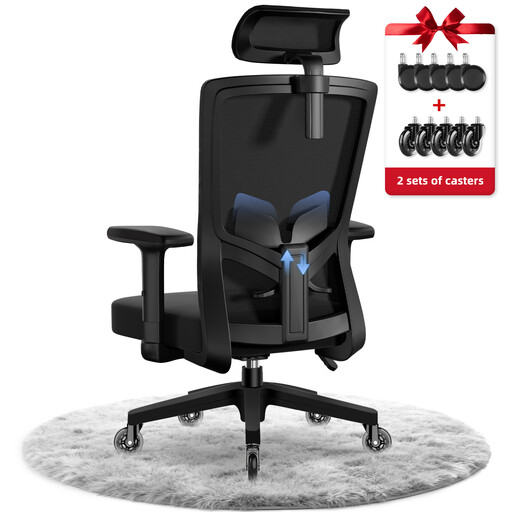
Why it's a good fit: Specifically for individuals who require a higher weight capacity. The robust construction and certified components provide the necessary stability and safety for long-term, intensive use.
This model directly addresses the trap of insufficient weight capacity. According to the manufacturer, the gas lift is BIFMA and SGS certified and designed for a user weight of up to 150 kg, ensuring high stability.
Comprehensive adjustment options for the headrest (height and tilt), lumbar support (6 cm), armrests (10 cm), and seat height (10 cm) allow for precise customisation for taller or heavier individuals.
The right chair is a very personal decision. If the models presented here don't exactly match your needs, you can find more options in our main category.
1. How long does a good ergonomic office chair last?
The lifespan heavily depends on the intensity of use, material quality, and construction. Models with a sturdy metal base and certified components (e.g., BIFMA/SGS) are generally designed for longer durability. With daily use of eight hours, a high-quality chair can last five years or more, while simpler models often show signs of wear on the upholstery or mechanism after just one to two years.
2. Is an office chair with a mesh back better?
This depends on personal preference. A mesh back offers excellent breathability, which is a major advantage, especially in warmer environments or for people who tend to sweat easily. A padded back, on the other hand, can provide a softer, more enveloping feel. The important thing is that the backrest, regardless of the material, offers good support for the spine.
3. How much does a good ergonomic desk chair cost?
Prices vary significantly. Solid entry-level models with the most important basic ergonomic functions can often be found in the €100 to €200 range. For chairs with advanced adjustment options, higher-quality materials, and more sophisticated mechanisms (e.g., synchronous mechanism), you can expect prices between €200 and €500. Consider it an investment in your health and productivity.