
Lieferung heute & morgen

Qualitätsgarantie

Willkommens-Angebote freischalten: KOSTENLOSE Lieferung | Bis zu 80 % RABATT | Kostenlose 30-Tage-JoyPlus-Testphase
App herunterladen
The right office chair is fundamental for focused work, whether in a corporate office or a home office. However, the market is flooded with models advertised as "ergonomic" that quickly lead to disappointment in practice. Many users invest in a chair only to find that it wobbles, loses height, or fails to provide the promised support after just a few months.
Before you make a decision, it's important to understand the most common pitfalls that can lead to a bad purchase:
As your Joybuy Product Recommendation Officer, I'm here to help you navigate these issues and make an informed choice.
To find a chair that offers long-term comfort and stability, you should pay attention to a few key technical parameters. These features distinguish a truly functional chair from a mere marketing promise.
A true ergonomic office chair adapts to you, not the other way around. Look for the following adjustment options to ensure a healthy sitting posture:
The longevity of an office chair depends directly on the components used.
Here are some models that are well-suited for different user profiles based on their objective features.
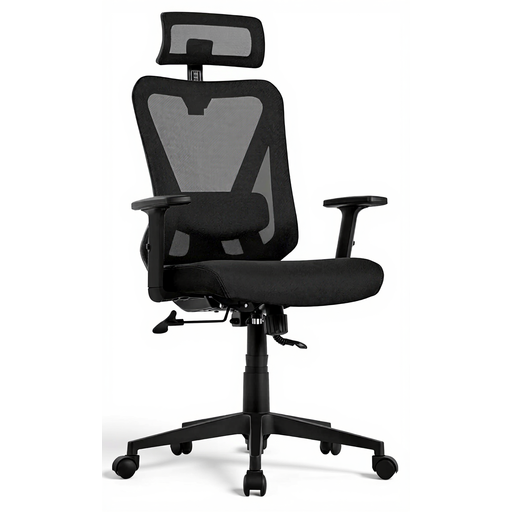
Why This Fits Their Persona: Ideal for users looking for a functional and adjustable chair for daily use in a home office without needing a premium budget. It offers a balanced combination of key ergonomic features.
Escapes the 'one-size-fits-all' trap with an adjustable headrest, height-adjustable armrests, and customisable lumbar support. The EN1335 and SGS certifications confirm the tested stability of its mechanics.
The backrest can be tilted and locked between 90° and 130°. The wide seat (53 x 52 cm) with high-elasticity foam provides comfort even during long periods of sitting.
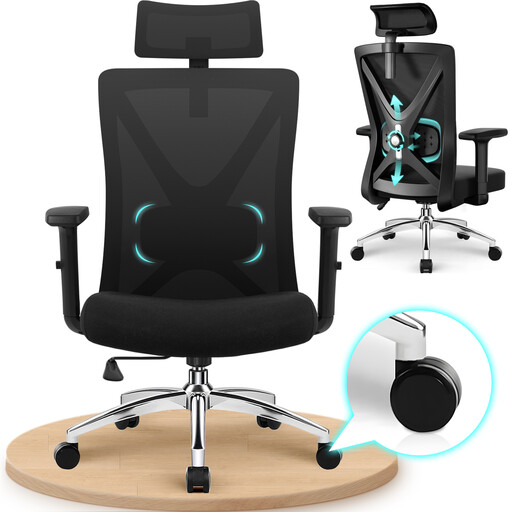
Why This Fits Their Persona: Suitable for individuals who spend many hours at their desk daily and require maximum adjustability and a high weight capacity. A robust executive chair for intensive use.
Offers lumbar support that is adjustable in height (6 cm) and depth (3 cm) for precise customisation. The high weight capacity of 150 kg and the tested gas lift (150,000 cycles) address the problem of inferior mechanics.
Comprehensive adjustment options: backrest tilts up to 135°, 10 cm height adjustment for the seat and armrests. The 8 cm thick seat cushion made of natural sponge offers superior comfort.
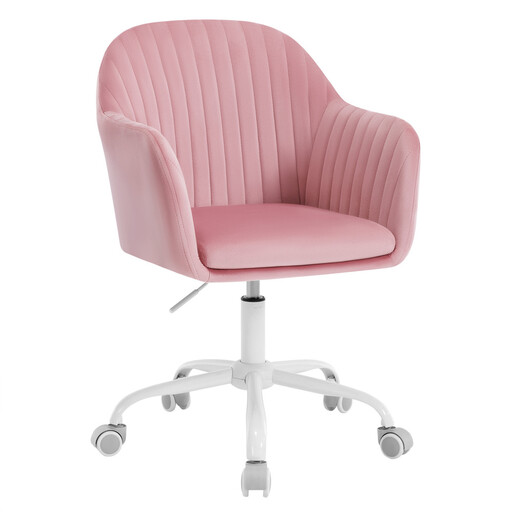
Why This Fits Their Persona: Perfect for users seeking a functional desk chair that seamlessly integrates into a stylish living or work environment. The velvet finish and colour options add an aesthetic touch.
Despite its focus on design, stability is not compromised. The SGS-certified gas lift and robust metal frame ensure a weight capacity of up to 150 kg, thus avoiding the problem of low-quality components.
The combination of a soft velvet cover and high-density foam padding offers excellent seating comfort. The curved backrest with integrated armrests supports a relaxed posture.
We have compiled a complete, up-to-date list of products that fully meet these strict selection criteria and German safety regulations.
Start with the seat height: your feet should be flat on the floor and your knees should form an angle of about 90 degrees. Next, adjust the lumbar support so that it supports the natural curve of your lower back. Set the armrests so that your forearms rest comfortably on them and your shoulders are relaxed.
A mesh back is very breathable and promotes air circulation, which is particularly beneficial in warmer environments or for people who tend to sweat. A padded back often offers a softer, more conforming feel and can provide excellent pressure distribution with high-quality foam. The choice depends on personal preference and environmental conditions.
The lifespan of a gas lift depends on its quality and the frequency of use. For high-quality chairs whose lifts are tested according to standards like EN 1335 or BIFMA, you can expect a lifespan of several years with normal daily use. Models designed for a higher weight capacity (e.g., 150 kg) often use more robust lifts that tend to be more durable.