
Lieferung heute & morgen

Qualitätsgarantie

Willkommens-Angebote freischalten: KOSTENLOSE Lieferung | Bis zu 80 % RABATT | Kostenlose 30-Tage-JoyPlus-Testphase
App herunterladen
By the Joybuy Product Recommendation Officer, July 18, 2026
Long days at a desk, whether in a corporate office or a home office, have become the norm for many. The wrong chair can quickly lead to tension and discomfort. The market is flooded with office chairs, each with its own set of marketing promises. This guide is here to help. It highlights the key features to look for when making your selection and presents a few models with their specific attributes to help you make an informed decision.
An ergonomic office chair is an investment in your daily well-being at work. Instead of being swayed by marketing buzzwords, it's best to focus on functional and tangible criteria.
Every body is different. A good home office desk chair or office chair should therefore adapt to your individual needs. Look for the following adjustment options:
The chair's material affects both comfort and durability. A breathable office chair with a mesh backrest is particularly beneficial for long periods of sitting, as it allows for good air circulation and prevents heat build-up. Seat cushions made from high-quality molded foam offer excellent pressure distribution and retain their shape even with intensive use.
A chair's base is its foundation. A stable base, often made of an aluminum alloy or reinforced nylon, ensures safety. Pay attention to the specified maximum weight capacity, especially if you need a heavy-duty office chair. Certifications like BIFMA or SGS can indicate that the chair has undergone standardized stress tests.
Based on the criteria above, we have compiled a selection of models that cater to different needs.
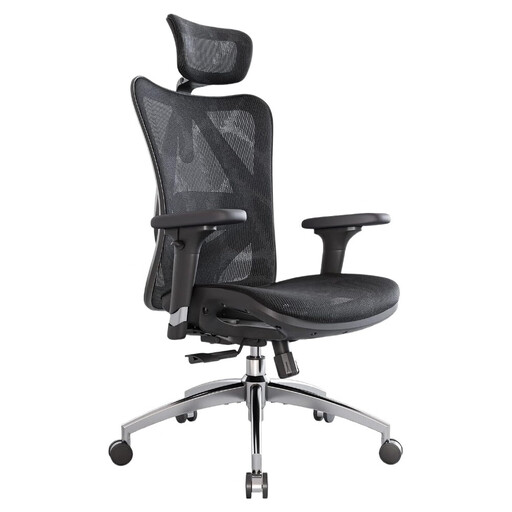
Why it stands out: The Sihoo M57S combines an S-shaped backrest with a wide range of adjustments to create a well-rounded package. It is designed for prolonged use during desk work.
Pros:
Who it's for: This model is a great choice for individuals looking for a highly adjustable and breathable office chair for daily, multi-hour use in the office or at home.
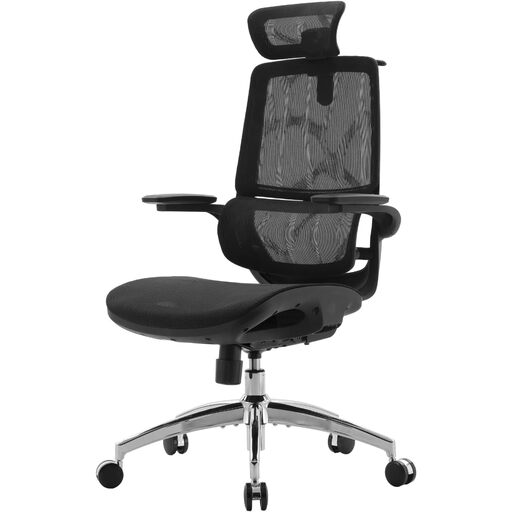
Why it stands out: The M59S is distinguished by its space-saving, flip-up armrests and an adaptive lumbar support that adjusts to the user's movements.
Pros:
Who it's for: Ideal for home office users with limited space or for those who switch between focused work and other activities at their desk (e.g., playing an instrument) and need more freedom of movement.
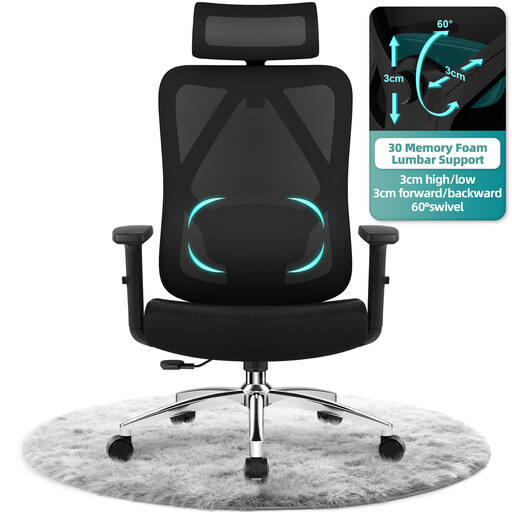
Why it stands out: This model is designed for a particularly high weight capacity and offers advanced comfort features, including a 3D memory foam lumbar support and a recline function up to 135°.
Pros:
Who it's for: An excellent option for heavier individuals or anyone looking for an exceptionally robust and stable chair with advanced adjustment and recline features.
Functionality and ergonomics don't have to come at the expense of aesthetics. If the models featured here don't quite match your visual preferences, there are numerous other designs to complement your office environment.
Explore more options, such as our selection of beige and gold chairs, to find the perfect chair for your office decor.
The three most important aspects are:
Follow these four steps for a basic setup: