
Lieferung heute & morgen

Qualitätsgarantie

Willkommens-Angebote freischalten: KOSTENLOSE Lieferung | Bis zu 80 % RABATT | Kostenlose 30-Tage-JoyPlus-Testphase
App herunterladen
An ergonomic office chair is more than just a place to sit; it's a tool for your workday. Sitting for hours at a desk, whether in a corporate office or a home office, places significant demands on the body. Choosing the wrong chair not only leads to discomfort but can also negatively impact your posture long-term. However, the market is flooded with models whose names promise more than their construction delivers. Before you make a decision, it's crucial to understand the most common pitfalls that can lead to buyer's remorse.
The 3 Most Common Traps When Buying an Office Chair:
To avoid these traps, you should focus on verifiable, technical features. These three parameters are critical for comfort and longevity.
The mechanism dictates how the seat and backrest move. It is the most important factor for dynamic, back-friendly sitting.
A height-adjustable swivel chair is the absolute minimum. However, for proper ergonomic customisation, further adjustments are essential.
The upholstery materials and the stability of the base are decisive for daily use.
Based on these objective criteria, we have identified a few models suited for different user profiles and requirements.
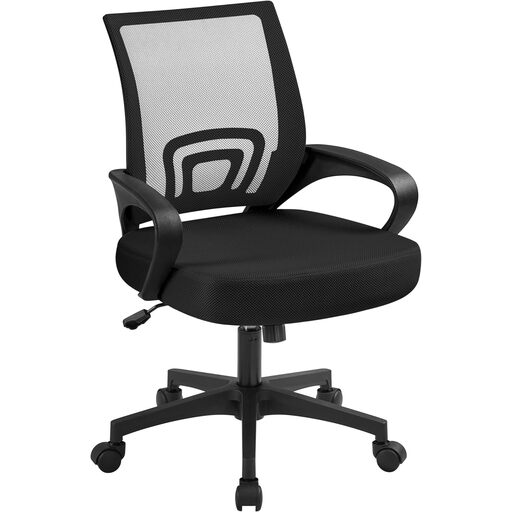
Why This Fits Their Persona: Ideal for users looking for a functional and affordable home office chair. It provides the necessary basic features for comfortable work without breaking the bank.
This chair bypasses the empty "ergonomics" promise by offering integrated lumbar support and a tilt function—concrete features that go beyond simple height adjustment.
The breathable mesh back prevents heat buildup. According to the manufacturer, the gas lift is BIFMA and SGS certified, indicating tested durability of this core component.
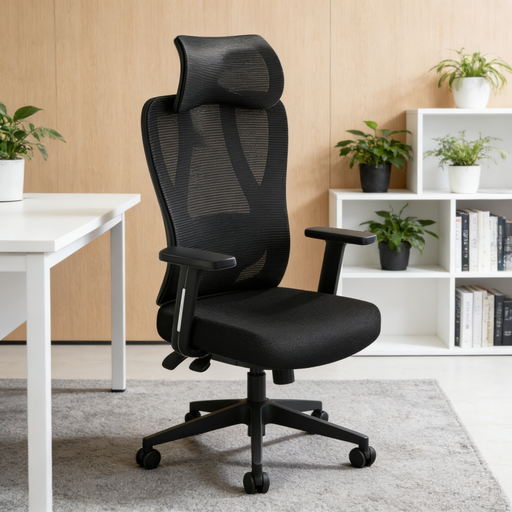
Why This Fits Their Persona: Designed for individuals who spend many hours a day in a desk chair. Its extensive adjustment options are aimed at preventing fatigue and providing personalised support.
This chair escapes the "one-size-fits-all" trap with a 4D pivoting lumbar support and an adjustable backrest height. It actively adapts to the user instead of imposing a rigid shape.
The combination of a wide recline angle (105°–140°) and a pressure-relieving seat cushion offers flexibility for both focused work and relaxing breaks. The dual-layer mesh provides excellent breathability.
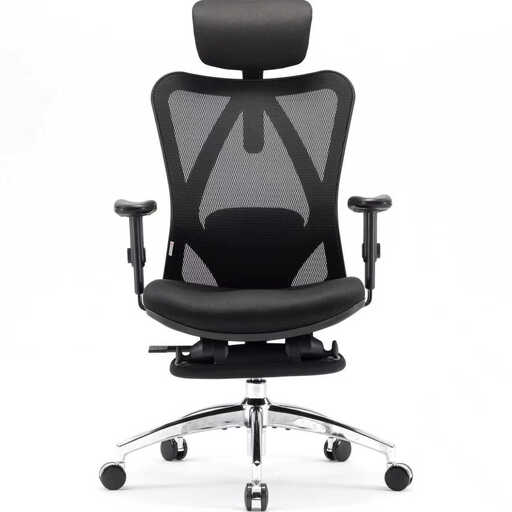
Why This Fits Their Persona: A hybrid solution for users who need a chair for both focused work or gaming and relaxing breaks. The combination of ergonomics and relaxation features makes it highly versatile.
It solves the material problem found in many gaming chair models: instead of poorly ventilated PU leather, it uses a breathable mesh back, which is a clear comfort advantage during long, intense sessions.
The clear advantage is the integrated office chair with a footrest. This allows for a relaxed reclining position that is missing from standard office chairs. It is also designed as an office chair rated for up to 150 kg.
We've compiled a full, up-to-date list of products that fully meet these strict selection criteria and all applicable safety requirements.
The lifespan of an office chair depends heavily on the intensity of use, the quality of the materials, and its construction. A model with a solid metal base, a high-quality gas lift, and durable upholstery can last 5 to 10 years with daily use. Look at the manufacturer's warranty period as an indicator of their confidence in the product's quality. Regular maintenance, such as tightening screws, can further extend its lifespan.
It depends on the model. Many gaming chairs focus on a racing-seat aesthetic and often provide only a basic tilt mechanism and fixed cushions instead of adjustable support elements. However, there are also high-quality gaming chair models that feature adjustable lumbar and headrests, 4D armrests, and an advanced synchronous mechanism. The deciding factor isn't the label, but the availability of individual adjustment options. For long sessions, a breathable material, like that on a mesh office chair, is often more comfortable than non-breathable PU leather.
This specification defines the maximum body weight for which the chair has been designed and safety-tested. An office chair rated for up to 150 kg has reinforced components, including a more robust gas lift (often Class 4), a sturdier base, and a more resilient frame. Adhering to this limit is crucial for safety and prevents premature wear or component failure. For taller and heavier individuals, choosing a chair with the appropriate weight capacity is essential.