
Lieferung heute & morgen

Qualitätsgarantie

Willkommens-Angebote freischalten: KOSTENLOSE Lieferung | Bis zu 80 % RABATT | Kostenlose 30-Tage-JoyPlus-Testphase
App herunterladen
By the Joybuy Product Recommendation Officer, August 30, 2026
Sitting at a desk for long hours is a daily reality for many of us. But an unsuitable chair can quickly lead to tension and back problems. The market for office chairs is vast, and while many products promise ergonomic benefits, they often fail to deliver. This guide will help you identify the crucial features and sidestep common purchasing traps, so you can find a chair that truly supports your posture.
Before we dive into the important features, let's debunk the marketing promises that often lead to a bad purchase.
To avoid a bad purchase, you should focus on objective, measurable criteria. These three parameters are essential for a good ergonomic office chair.
Adaptability is the heart of any ergonomic chair. Look for the following adjustment options:
The material affects not only durability but also comfort during a long workday.
A good swivel chair must be stable and safe. Check the maximum weight capacity of the chair to ensure it is designed for your body weight. The gas lift cylinder, which is responsible for height adjustment, should be certified (e.g., to BIFMA standards) to guarantee reliable performance.
Not everyone has the same requirements for a home office chair. Here are some recommendations tailored to different needs and budgets.
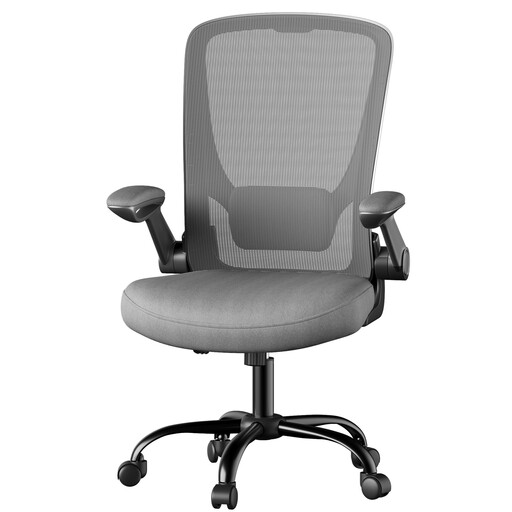
Why it's a good fit: This model offers essential ergonomic features like an adjustable lumbar support and flip-up armrests at an accessible price point. It's a solid choice for the home office without breaking the bank.
The chair isn't just "ergonomically shaped"; it features an adjustable lumbar support, which avoids the "one-size-fits-all" trap. The mesh backrest bypasses the problem of non-breathable materials.
A great balance of core ergonomic functions and cost-effectiveness. The flip-up armrests are a practical, space-saving feature for smaller workspaces.
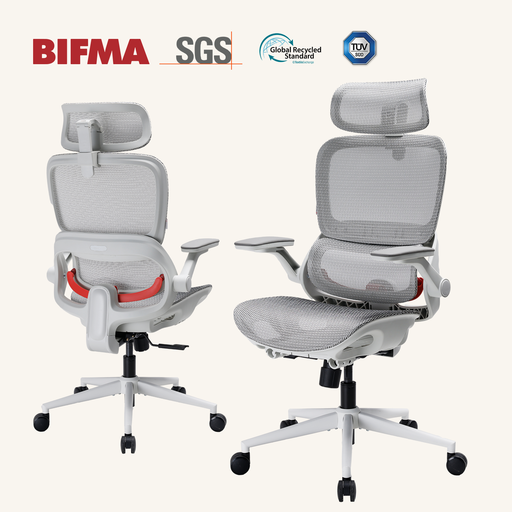
Why it's a good fit: Designed for long sitting sessions, this chair offers advanced features like an adaptive lumbar support and a wide headrest, ensuring comprehensive support throughout the workday.
The adaptive lumbar support goes beyond simple adjustability by actively responding to your movements. This prevents the problem of a rigid support in the wrong position. The high-quality mesh fabric ensures durability and breathability.
The adaptive support system and extensive adjustment options allow for a highly personalized fit, designed for maximum comfort during intensive use.
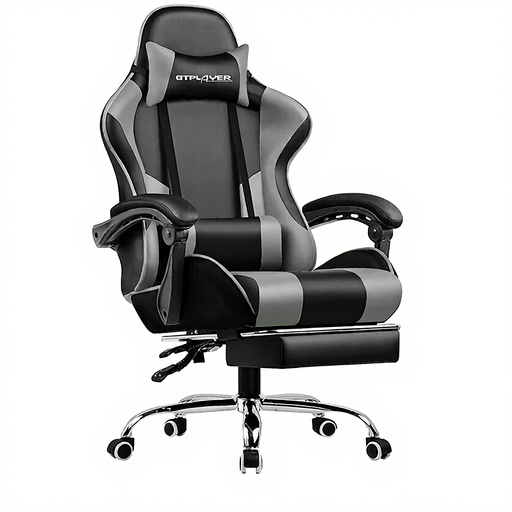
Why it's a good fit: This model combines the ergonomics of an office chair with relaxation features like a retractable footrest, a deep recline, and a massage lumbar cushion.
While many gaming chairs prioritize style over substance, this model includes an adjustable massage lumbar cushion that provides genuine back support instead of a simple, loose pillow.
Multifunctionality: Serves as both a work chair and a recliner with a massage function and footrest, ideal for breaks or after-hours relaxation.
We've compiled a complete, up-to-date list of products that fully meet these strict selection criteria and all applicable safety regulations.
1. How long does a good ergonomic office chair last? The lifespan heavily depends on the material, construction, and usage. A high-quality chair with a steel base, a quality gas lift, and high-density foam can last 7 to 10 years with regular use. It's wise to check the warranty period provided by the manufacturer. Regular maintenance, such as tightening screws, can extend its lifespan.
2. Is a mesh office chair better than an upholstered one? This is a matter of personal preference. A mesh office chair offers superior breathability, which is a significant advantage, especially during long work sessions or in warmer environments. Upholstered chairs can provide a softer seating feel. In either case, the quality of the material is crucial for both comfort and durability.
3. How do I adjust the lumbar support correctly? The support should fit into the natural curve of your lower back (the lordosis). To do this, sit all the way back in the chair. Adjust the height of the support so that it rests in the small of your back. The pressure should feel like comfortable support, not like it's pushing into you.