
Lieferung heute & morgen

Qualitätsgarantie

Willkommens-Angebote freischalten: KOSTENLOSE Lieferung | Bis zu 80 % RABATT | Kostenlose 30-Tage-JoyPlus-Testphase
App herunterladen
An ergonomic office chair is a crucial investment for anyone who spends long hours at a desk—whether in a home office, a corporate setting, or for gaming. However, the market is flooded with options and marketing promises. Many chairs advertised as "ergonomic" turn out to be a poor investment. This guide will help you identify the crucial features and avoid common purchasing pitfalls.
As a Joybuy Product Recommendation Officer, my job is to filter market information and provide you with objective, practical advice so you can make an informed decision.
Before we dive into the important features, let's highlight the typical problems that can lead to dissatisfaction and even physical discomfort.
To avoid the pitfalls mentioned above, you should check three key technical parameters before buying. These define whether a swivel chair truly offers long-term comfort and support.
The heart of any good office chair is its mechanism. A synchronous mechanism is an important standard here. It ensures that the backrest and seat tilt in a synchronised ratio. This promotes "dynamic sitting," which keeps the body in motion, relieves pressure on the spinal discs, and promotes circulation.
An office chair with lumbar support is equally crucial. This support in the lower part of the backrest fills the natural curve of the lumbar spine. Ideally, it is adjustable in height and depth to adapt precisely to your back and support a healthy posture.
A chair can only be ergonomic if it can be adapted to your body's measurements. Look for the following adjustment options:
The durability and safety of a chair depend directly on the materials used. Look for certifications like BIFMA or SGS. These independent standards confirm that components such as the gas lift, base, and casters have been tested for load capacity, stability, and durability. This is especially relevant if you are looking for a model with a high weight capacity, such as a 150 kg office chair.
The upholstery should also be considered. Mesh fabric is breathable and ideal for warmer environments. High-quality PU leather is easy to clean and durable, while fabric covers offer a cozier feel.
Here are some recommendations tailored to different user profiles and requirements.
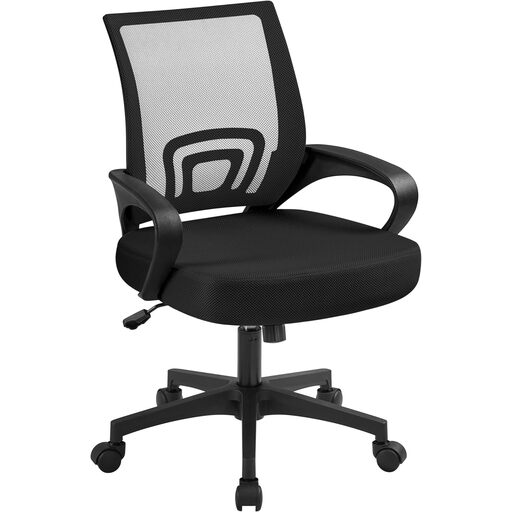
Why This Fits Their Persona: This model offers fundamental ergonomic features like an adjustable seat height, a rocking function, and integrated lumbar support at an accessible price. It's a solid choice for students or for a first home office setup.
It avoids the pitfall of inadequate quality with verifiable SGS and BIFMA certifications for safety-critical components and a clearly stated weight capacity of 136 kg.
Good value for money with certified basic safety. The breathable mesh back ensures comfort even on longer workdays.
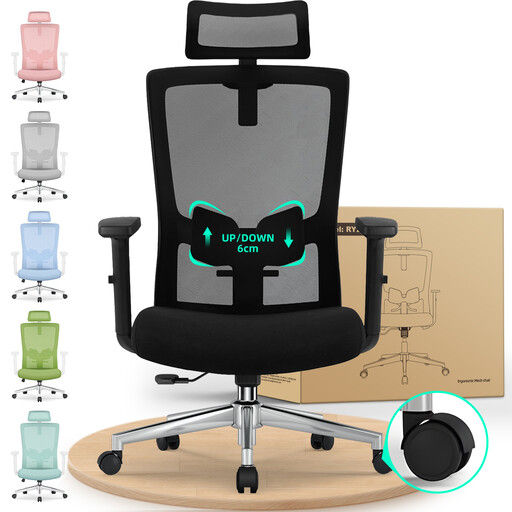
Why This Fits Their Persona: For individuals who sit for many hours daily and need a robust, reliable chair. The high weight capacity and certified components make it a safe choice for intensive, long-term use.
This chair directly addresses the pitfall of insufficient load capacity with a 150 kg rating and BIFMA/SGS-certified components (gas lift, base), ensuring tested stability.
High load capacity and reliability thanks to certified components. The adjustable lumbar support and headrest allow for precise customisation to the user.
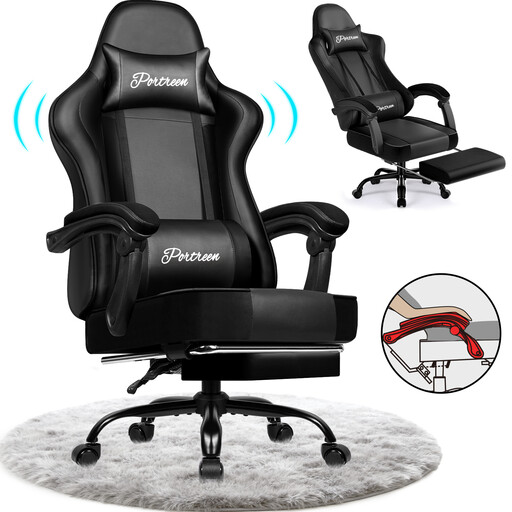
Why This Fits Their Persona: Ideal for users who want a versatile chair for both work and leisure. The combination of ergonomic adjustments, a deep recline function (up to 170°), and a retractable footrest makes it the perfect PC chair for long gaming sessions and relaxing breaks.
It refutes the "design over function" pitfall by offering comprehensive ergonomic features alongside its gaming aesthetics, including adjustable cushions, a high 150 kg weight capacity, and BIFMA/SGS certifications.
Maximum flexibility with a deep recline function and integrated footrest. The high-density moulded foam and easy-care PU leather are designed for durability.
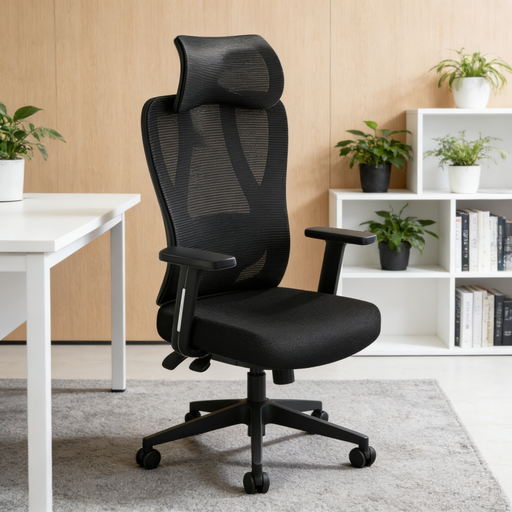
Why This Fits Their Persona: For users who prioritise advanced, customisable ergonomics. The adaptive 4D lumbar support adjusts to the user's movements, providing dynamic support that goes beyond standard chairs.
It debunks the empty "ergonomics" promise pitfall by offering a specific, highly advanced feature—the 4D lumbar support—that delivers tangible and noticeable added value for postural health.
Adaptive 4D lumbar support for dynamic adjustment to the spine. The breathable 2-layer mesh fabric and pressure-relieving seat cushion ensure superior comfort.
We have compiled a complete, up-to-date list of products that fully meet these strict selection criteria and rigorous safety standards.
1. What is the difference between a gaming chair and an ergonomic office chair? Traditionally, Gaming chairs are often styled after racing car seats (bucket seats) and emphasise flashy aesthetics and features like a deep recline and cushions. A classic ergonomic office chair or executive chair focuses primarily on neutral adjustments for a healthy posture at work. However, the lines are increasingly blurring: many modern gaming models integrate high-quality ergonomic functions, and office chairs are adopting comfort features from the gaming world.
2. How long does a good ergonomic office chair last? The lifespan heavily depends on material quality, frequency of use, and care. A high-quality model with certified components (e.g., BIFMA/SGS) and a sturdy metal base can last 5 to 10 years or more with normal use. With cheaper models, you often have to accept compromises in the gas lift or padding after just 2 to 3 years.
3. How do I adjust my desk chair correctly? Start with the seat height: your feet should be flat on the floor. Then, adjust the seat depth so there is a gap of 2-3 fingers' width between the back of your knees and the front edge of the seat. Adjust the lumbar support to fit the natural curve of your lower back. Finally, adjust the armrests so that your forearms rest comfortably at a 90-degree angle and your shoulders are relaxed.