
Lieferung heute & morgen

Qualitätsgarantie

Willkommens-Angebote freischalten: KOSTENLOSE Lieferung | Bis zu 80 % RABATT | Kostenlose 30-Tage-JoyPlus-Testphase
App herunterladen
Long hours at a desk, whether in a home office or a corporate setting, can lead to tension and discomfort. A suitable ergonomic office chair is not an afterthought but a fundamental component of a functional workspace. As a Joybuy Product Recommendation Officer, my role is to provide you with clear, factual information so you can make an informed decision tailored to your individual needs. This guide will help you understand the essential features and introduce a selection of products that contribute to creating an ergonomic workspace.
Selecting the right chair depends on several factors. Instead of being swayed by marketing promises, you should focus on objective, customisable features.
An ergonomic desk chair must adapt to your body, not the other way around. Look for the following adjustment functions:
The materials affect both the comfort and the durability of the chair.
The most important function of an ergonomic chair is to support the spine.
An ergonomic workspace consists of more than just a chair. Thoughtful organisation and the right tools also contribute to an efficient and comfortable environment. Here are some selected products to help you set up your space.
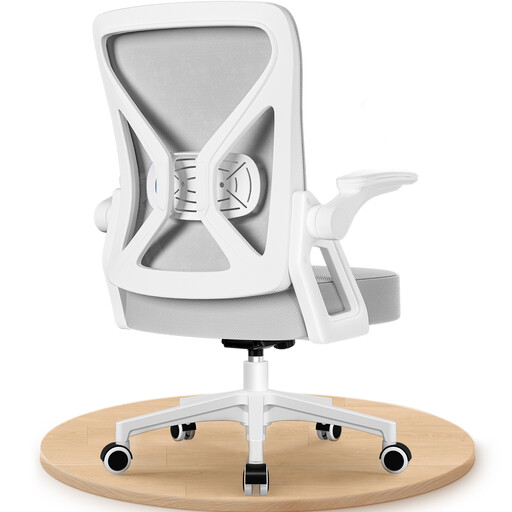
Why it stands out: This chair combines many of the most sought-after ergonomic features in one model. The mesh backrest ensures breathability, while the adjustable lumbar support provides targeted lower back relief. The seat height is adjustable from 43 to 53 cm, making it suitable for a wide range of body types.
Benefits:
Who is it for? This model is an excellent choice for individuals in a home office or corporate setting who are looking for a functional chair with key ergonomic adjustments and value a high load capacity.
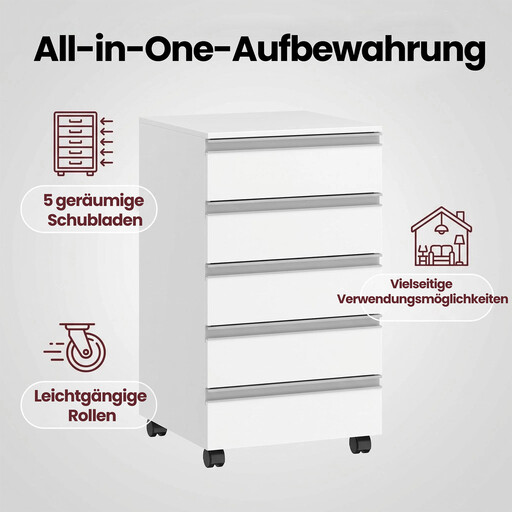
Why it stands out: Ergonomics doesn't end with your chair. A tidy desk, free from stacks of documents and utensils, is crucial for maintaining proper posture and focused work. This mobile rolling cabinet offers ample storage with five deep drawers.
Benefits:
Who is it for? Ideal for anyone who wants to organise their workspace and keep important documents or tools within reach without cluttering their desk surface.
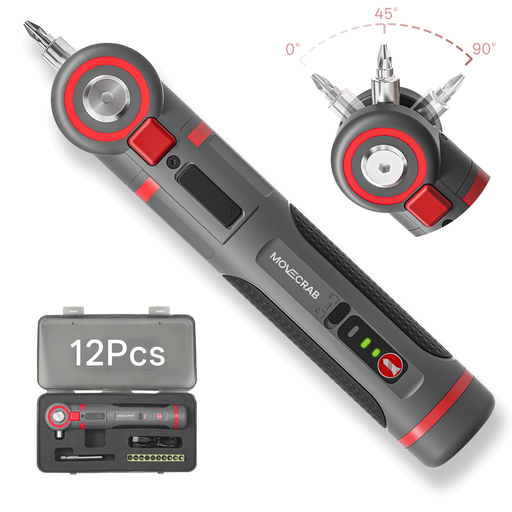
Why it stands out: Assembling office furniture can be tedious. This tool is designed to simplify the process. Its head is adjustable to three angles (0°, 45°, 90°), making it easier to work in hard-to-reach places, which are common during chair assembly.
Benefits:
Who is it for? For people who regularly assemble or disassemble furniture and want to save time and effort. A practical helper for quickly and correctly putting together your new home office chair.
A productive workspace is also influenced by the right atmosphere. Lighting and privacy play a significant role in concentration. If you are looking for solutions to optimise your office environment, you may find suitable products in our selection of premium curtains and office blinds.
An office chair is considered ergonomic if it offers a variety of adjustments to fit the user's individual body measurements and needs. This includes, at a minimum, an adjustable seat height, a customisable backrest, and lumbar support for the lower back. The goal is to promote a healthy sitting posture and minimise strain on the body.
Start with the seat height: your feet should be flat on the floor, and your thighs should be parallel to it. Adjust the seat depth so there is a gap of about two to three fingers' width between the back of your knees and the front edge of the seat. The lumbar support should be positioned in the natural curve of your lower back. The armrests should be set so that your shoulders are relaxed and your forearms rest on the desktop at a 90-degree angle.
Lumbar support is one of the most critical features of an ergonomic office chair. It fills the gap between the backrest and the lower part of your spine (lumbar region), helping to maintain its natural S-curve. Without this support, many people tend to slouch, which can lead to significant strain on the spinal discs and cause back pain.