
Lieferung heute & morgen

Qualitätsgarantie

Willkommens-Angebote freischalten: KOSTENLOSE Lieferung | Bis zu 80 % RABATT | Kostenlose 30-Tage-JoyPlus-Testphase
App herunterladen
Anyone who spends many hours a day at a desk knows the consequences of poor posture: neck tension, a sore lower back, and declining concentration. An ergonomic office chair is not a luxury purchase, but a fundamental requirement for healthy and productive work. However, the market is overwhelming and full of marketing promises that often conceal more than they reveal.
Many buyers invest in a chair that becomes uncomfortable after just a few months or even develops defects. To save you from such a purchase mistake, we will highlight the most common pitfalls and show you which objective criteria truly matter.
The 3 most common pitfalls when buying an office chair:
To properly tailor an ergonomic desk chair to your needs, you should carefully examine three core areas. These features determine whether a chair will provide long-term comfort and support or become a source of discomfort.
A truly ergonomic chair adapts to you, not the other way around. Look for the following adjustment options:
The quality of the components used is a direct indicator of your chair's lifespan and safety.
The chair's mechanism encourages movement while sitting, thus preventing a rigid posture.
Instead of making a blanket recommendation, we have identified models tailored to specific user profiles and requirements.
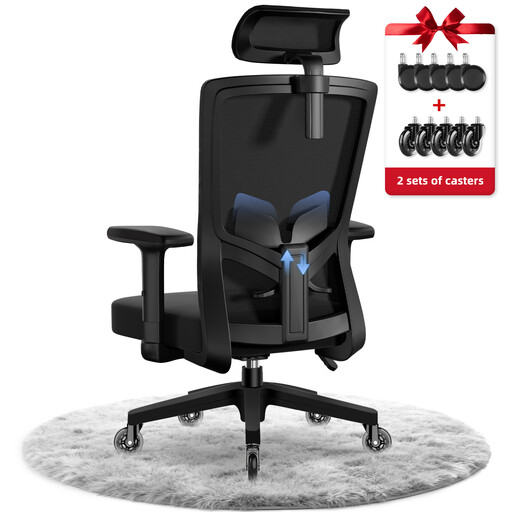
Why This Fits Their Persona: Ideal for home office users with limited space. The flip-up armrests allow the chair to be pushed completely under the desk, saving valuable space without sacrificing full ergonomics.
Escapes the "one-size-fits-all" trap with an adjustable headrest, lumbar support (6 cm), armrests (10 cm), and seat height (10 cm).
Offers a high weight capacity of 150 kg and a BIFMA/SGS-certified gas spring, indicating a durable and safe construction.
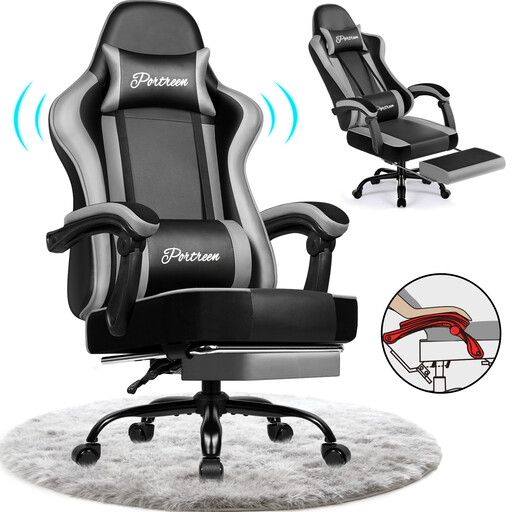
Why This Fits Their Persona: Designed for gamers and power users who sit for hours. The backrest, which reclines up to 170 degrees, and the retractable footrest allow for relaxing breaks between intense work or gaming sessions.
Instead of padding that quickly flattens, this chair uses high-density, shape-retaining foam that maintains its supportive function even during long-term use.
The dual support system with head and lumbar pillows provides targeted pressure relief and can help reduce fatigue during long periods of sitting.
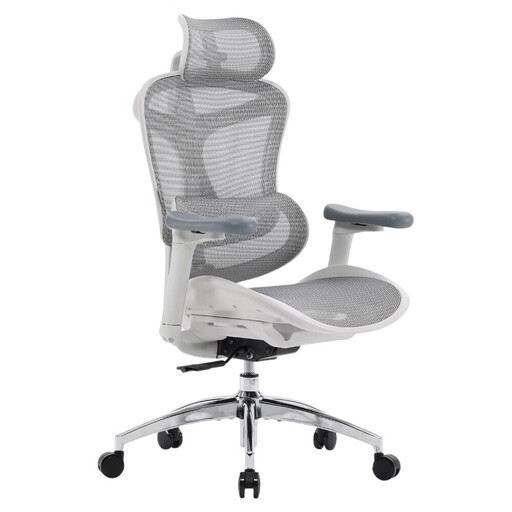
Why This Fits Their Persona: For users seeking a technologically advanced solution that actively adapts to their movements. Ideal for dynamic work environments where sitting positions change frequently.
Goes beyond standard ergonomics by offering a self-adaptive lumbar support that automatically adjusts to body movements, preventing static poor posture.
Features an intelligent weight sensor and 3D armrests that synchronize with the recline. This ensures a highly personalized and responsive sitting experience.
We have compiled a complete, up-to-date list of products that fully meet these strict selection criteria and German safety regulations.
The lifespan of an ergonomic office chair depends heavily on the quality of materials, construction, and frequency of use. A high-quality model with certified components (e.g., BIFMA/SGS) and a robust metal base can last 7 to 10 years or more with regular use. Cheaper models with many plastic parts often show the first signs of wear after just 2 to 3 years. Regular maintenance, such as tightening screws and cleaning the upholstery, can extend its lifespan.
A gaming chair can be a very good alternative, as many models are designed for long, intensive periods of use and offer extensive ergonomic adjustment options. Features like a high backrest, adjustable armrests, and head and lumbar pillows are often standard. The main difference is often the design, which is typically more striking in gaming chairs (e.g., racing-style seat). If the aesthetics fit your work environment, there is functionally no reason not to use a high-quality gaming chair as a home office chair.
Proper adjustment is crucial to benefit from the ergonomic advantages. Follow these steps: