
Lieferung heute & morgen

Qualitätsgarantie

Willkommens-Angebote freischalten: KOSTENLOSE Lieferung | Bis zu 80 % RABATT | Kostenlose 30-Tage-JoyPlus-Testphase
App herunterladen
Most of the day is spent sitting—whether in the office, at home, or while gaming. An unsuitable chair isn't just uncomfortable; it can also lead to muscle tension and posture problems. However, the market for ergonomic office chairs is confusing and filled with marketing promises. Many products advertised as "ergonomic" turn out to be expensive mistakes.
This guide will show you how to distinguish empty marketing buzzwords from genuine, functional features. We'll focus on the most common pitfalls and the crucial parameters that define a quality chair, ensuring your investment pays off in the long run.
To avoid a bad purchase, you should focus on objective, technical features. The following three points are essential for making an informed decision.
An ergonomic desk chair must adapt to you, not the other way around. Check for the presence and range of the following adjustment options:
The material affects comfort, durability, and maintenance.
Not every user has the same needs. We've compiled a selection of chairs tailored to specific profiles and requirements.
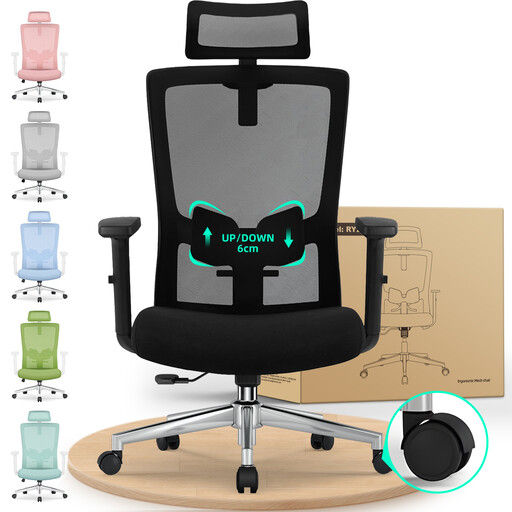
Why it's a good fit: This model is a solid choice for occasional to regular use as a home office chair. It offers essential ergonomic basics like adjustable lumbar support, a headrest, and a tilt function without breaking the bank.
Instead of a vague "ergonomic" label, this chair offers concrete, adjustable features (6 cm lumbar support, 11 cm headrest). The gas lift and base are BIFMA and SGS certified according to the manufacturer, reducing concerns about material defects.
Offers a balanced price-to-performance ratio with certified core components and the most important adjustments for a healthier posture.
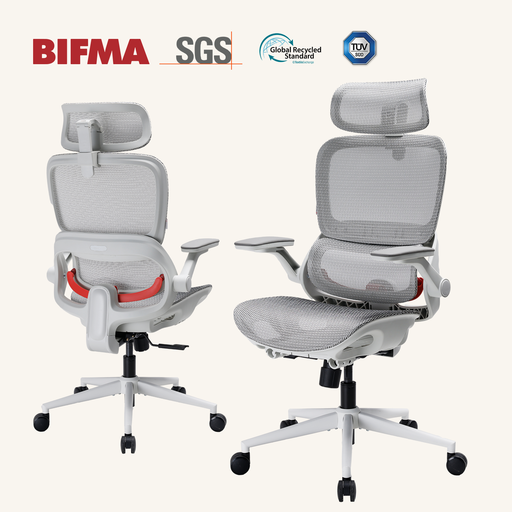
Why it's a good fit: Ideal for individuals who spend many hours sitting each day. The adaptive lumbar support adjusts to your movements, providing continuous support. The full-mesh design ensures maximum air circulation, significantly increasing comfort for those who need an office chair for long hours.
The "adaptive lumbar support" is a specific mechanical feature that goes beyond simple padding. The all-mesh construction directly addresses the problem of heat build-up during long sitting periods.
Dynamic back support and high breathability for maximum comfort throughout a full workday.
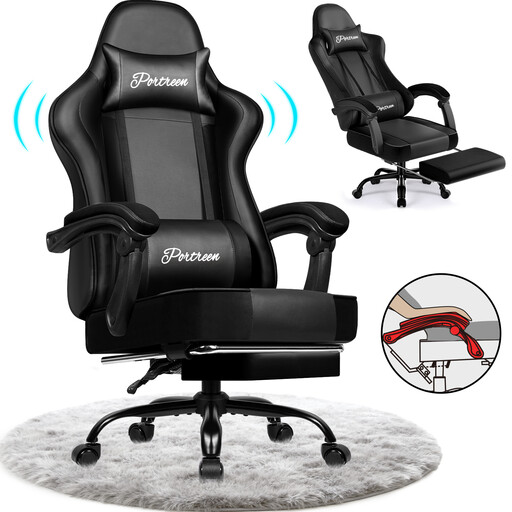
Why it's a good fit: This gaming chair is designed for long, intense sessions followed by relaxation. It combines a stable, ergonomic support structure with a backrest that reclines up to 170 degrees and an extendable footrest—a clear advantage for taking breaks between rounds or watching streams.
This model offers more than just a racing-seat aesthetic. It delivers functional, robust features like a steel frame, a weight capacity of up to 150 kg, and a certified gas lift. The combination of a deep recline function and an office chair with a footrest provides tangible added value.
Extensive recline function and an integrated footrest for a seamless transition between a focused posture and a relaxed position.
We have compiled a complete, up-to-date list of products that meet these strict selection criteria and safety requirements.
The lifespan heavily depends on the quality of materials, construction, and intensity of use. Entry-level models often last 2-3 years, while mid-range chairs can remain functional for 5-7 years with normal use. High-end models can have a lifespan of 10 years or more. A good indicator of expected durability is the warranty period offered by the manufacturer.
It depends on personal priorities. An ergonomic office chair is often optimized for subtle, dynamic adjustments that promote an active working posture (e.g., through a synchronous mechanism). A gaming chair typically focuses on a firm, supportive shape with a high backrest, pronounced side bolsters, and extra features like a deep recline and a footrest, designed for mixed use of focused gaming and relaxed leaning back. Both types can be ergonomic, provided they offer the necessary adjustment capabilities.