
Lieferung heute & morgen

Qualitätsgarantie

Willkommens-Angebote freischalten: KOSTENLOSE Lieferung | Bis zu 80 % RABATT | Kostenlose 30-Tage-JoyPlus-Testphase
App herunterladen
Long days at the desk, whether in the office or at home, have become the norm for many people. This often leads to tension in the neck and back, which is exacerbated by poor posture. A suitable ergonomic office chair is not a luxury purchase, but a fundamental component for a healthy and productive workspace.
This article serves as a guide. We will introduce you to objective criteria that are relevant when choosing a chair and present a selection of models that stand out for their specific features and adjustment options.
The choice of the right chair depends on individual needs, body size, and daily usage duration. You should consider three key aspects in your decision.
An ergonomic computer chair must adapt to your body—not the other way around. Pay attention to the following adjustment options:
The materials influence both the comfort and the durability of the chair. Mesh fabric is breathable and promotes air circulation, which is particularly beneficial on long workdays. Padded fabric or leather seats often offer a softer feel.
A high-back office chair is recommended as it supports the entire back up to the shoulder area. Some models also offer an adjustable headrest to relieve neck muscles.
An often overlooked but important factor is the maximum load capacity. An office chair rated for up to 150 kg is typically equipped with a more robust base and a stronger gas lift, indicating a more solid overall construction and ensuring greater stability.
A desk chair for the home office should not only be functional but also often space-saving. Models with flip-up armrests, for example, can be pushed under the desk more easily. A classic executive chair is often wider and more heavily padded, making it an attractive option for prestigious offices or for users who prefer a more spacious seating experience.
Based on the criteria mentioned, we have compiled a few models from the Sihoo office chair brand that are distinguished by their specific ergonomic features.
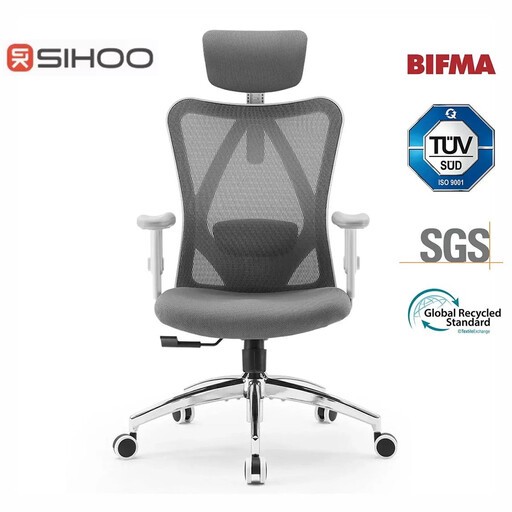
Why it stands out: The Sihoo M18 is a versatile model that combines a high load capacity with comprehensive adjustment options. Its design aims to appeal to a wide range of users.
Pros:
Who is it for? This model is an excellent choice for individuals looking for a robust and flexibly adjustable all-rounder for daily work in the home or office, who also value high stability.
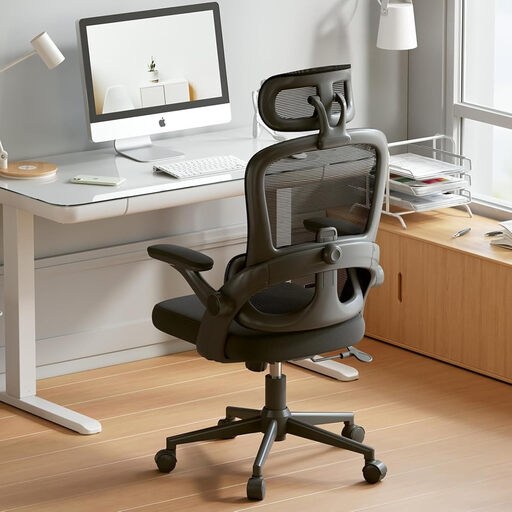
Why it stands out: The Sihoo M102C is distinguished by its separately adjustable lumbar support and flip-up armrests, making it particularly adaptable to different needs and work environments.
Pros:
Who is it for? Ideal for users who place special emphasis on precisely adjustable lower back support and need to save space in their home office or workspace.
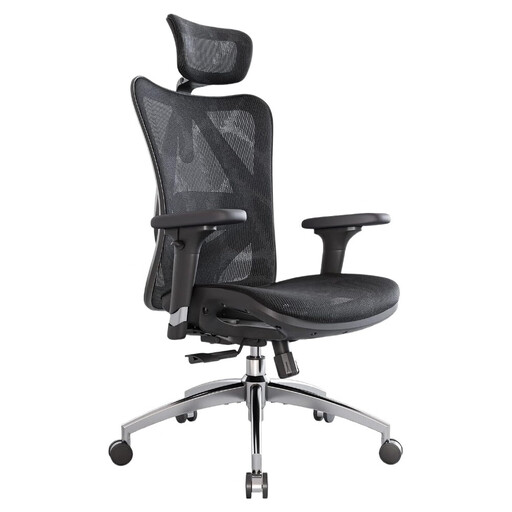
Why it stands out: The Sihoo M57S sets itself apart with its 3D armrests and S-shaped backrest, which provide exceptionally dynamic and adaptable support for the arms and back.
Pros:
Who is it for? This model is aimed at demanding users who spend many hours at their desk and require maximum adaptability, especially in the armrest area, for a varied and healthy sitting posture.
The models presented offer a good insight into the capabilities of modern ergonomic office chairs. If none of these models exactly match your preferences, or if you are looking for other designs and features, there are further alternatives.
In our comprehensive Office Chairs & Computer Desks category, you will find a wider selection of chairs that cater to different requirements and budgets.
An office chair is considered ergonomic if it has multiple adjustment options to adapt to the user's individual body measurements and needs. This includes at least an adjustable seat height, backrest, and armrests. Advanced ergonomic features include adjustable seat depth, lumbar support, and a headrest. The goal is to promote a healthy, upright, and at the same time, dynamic sitting posture.
A basic setup can be done in a few steps:
Lumbar support is very important as it stabilises the lower back (lumbar spine). Without this support, many people tend to 'slump' in their lower back, which puts strain on the intervertebral discs and can lead to pain. A well-adjusted office chair with lumbar support helps maintain the natural S-curve of the spine and promotes an upright posture.