
Lieferung heute & morgen

Qualitätsgarantie

Willkommens-Angebote freischalten: KOSTENLOSE Lieferung | Bis zu 80 % RABATT | Kostenlose 30-Tage-JoyPlus-Testphase
App herunterladen
Long days at a desk, whether in the office or at home, often take their toll: neck tension, lower back pain, and general fatigue. An ergonomic office chair is often presented as the solution, but the market is overwhelming. Many products promise more than they can deliver.
As your Joybuy Product Recommendation Officer, I'll help you spot marketing traps and make an informed decision. Let's focus on the critical features that truly define a quality chair, not on exaggerated advertising claims.
Before you invest, you should be aware of the typical flaws that can render a seemingly good chair useless after just a few months.
To avoid a bad purchase, check three core areas before you buy. These determine whether a chair will provide long-term comfort and support.
A chair is only ergonomic if it can be adapted to your body's dimensions. The non-negotiables are:
The longevity of a chair is directly related to the materials used.
The seat and upholstery are crucial for comfort during long periods of sitting.
Here are a few models tailored to specific needs that successfully avoid the pitfalls mentioned.
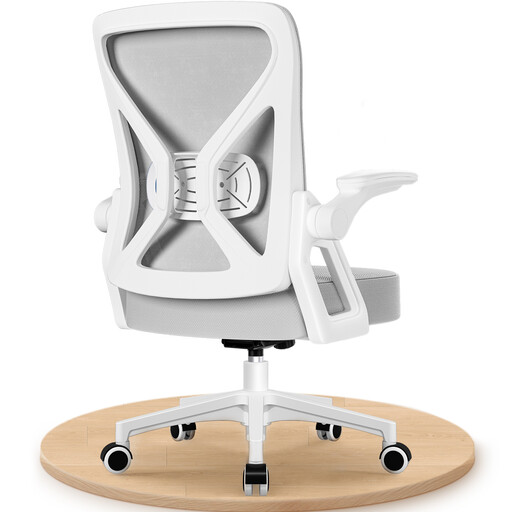
Why It's a Good Fit: Ideal for students or the occasional home office chair. It provides the necessary basic functions without breaking the bank. The flip-up armrests are practical for sliding the chair under the desk to save space.
Offers adjustable lumbar support instead of a rigid curve and a gas lift rated for up to 150 kg, bypassing the "false ergonomic promise" and "inferior mechanics" pitfalls.
Solid basic features with practical, flip-up armrests and a breathable mesh back at an attractive price point.
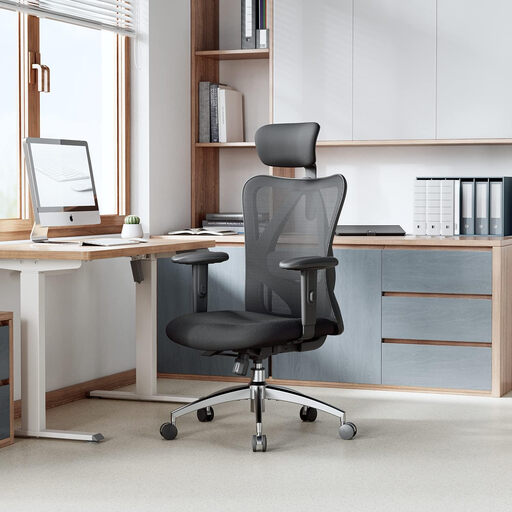
Why It's a Good Fit: For individuals who spend more than eight hours a day at their desk. This chair offers comprehensive adjustment options to ensure an optimal and healthy posture over long periods.
Certifications from BIFMA and SGS confirm the quality and durability of its components. The extensive adjustment options for the headrest, lumbar support, and armrests go far beyond a mere marketing promise.
Maximum customisation through multi-dimensional adjustable components and certified durability for intensive daily use.
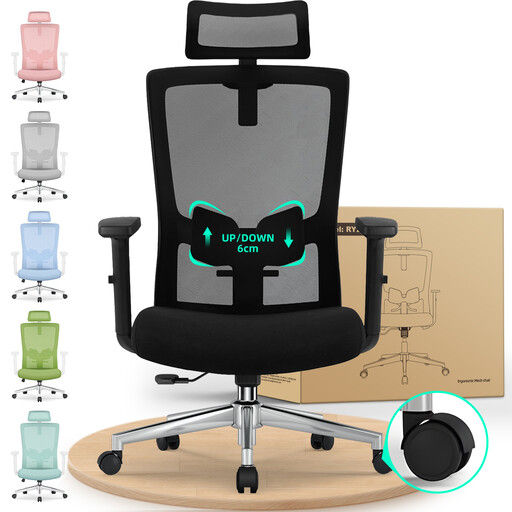
Why It's a Good Fit: A well-balanced choice for the modern home office, offering advanced adjustment options like a headrest and a generous recline function. Ideal for users who want a mix of focused work and relaxed breaks.
This model provides a 6 cm adjustable lumbar support and a backrest that reclines up to 135°, delivering genuine ergonomic benefits. The BIFMA and SGS-certified gas lift, as per the manufacturer, ensures tested safety.
Comprehensive features including an adjustable headrest and lumbar support, plus a wide recline function, for an excellent value proposition.
We have compiled a comprehensive, up-to-date list of products that meet these strict selection criteria and safety requirements.
The lifespan depends on the intensity of use, maintenance, and the quality of the components. A high-quality model can last 5 to 10 years with daily use. Pay attention to the manufacturer's warranty period and certifications like BIFMA, which signal high durability and load capacity.
With a tilt mechanism, the seat and backrest recline at the same angle. This is a basic form of movement. A synchronous mechanism is more advanced: the backrest reclines at a greater angle than the seat (e.g., in a 2:1 or 3:1 ratio). This opens up the seating angle, promotes circulation, and relieves pressure on the spinal discs more effectively.
Choosing the right casters is crucial to protect your flooring.
Check which casters are included before purchasing. If necessary, suitable casters can be bought separately.