
Lieferung heute & morgen

Qualitätsgarantie

Willkommens-Angebote freischalten: KOSTENLOSE Lieferung | Bis zu 80 % RABATT | Kostenlose 30-Tage-JoyPlus-Testphase
App herunterladen
The search for the right ergonomic office chair can quickly become overwhelming. The market is flooded with models, all promising comfort and support. But not every chair advertised as "ergonomic" meets the criteria necessary for long, healthy sitting. As your Joybuy Product Recommendation Officer, I'll help you identify the crucial features and avoid common purchasing traps.
Many buyers only realise after a few weeks that their new chair doesn't meet their expectations. This is often due to clever marketing that distracts from fundamental flaws. Pay special attention to these three points:
To avoid a bad purchase, you should base your decision on objective criteria. The following two areas are non-negotiable for a good chair for long sitting hours.
An ergonomic chair is defined by its adaptability. Check if the following elements are adjustable to ensure correct posture:
The durability and safety of a chair depend directly on the materials and construction used.
Based on these criteria, we have identified a few models that are suitable for different requirements and budgets.
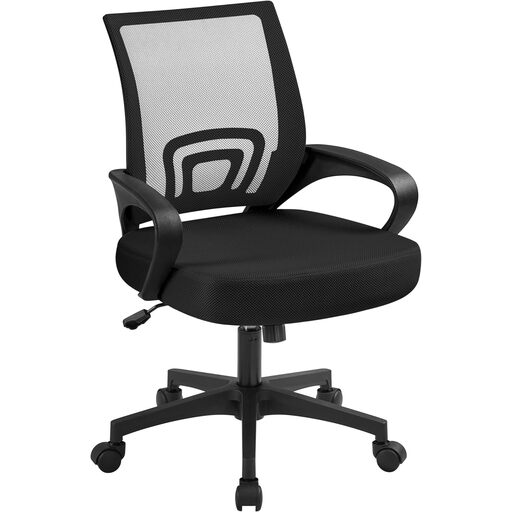
Why This Fits Their Persona: Ideal for users looking for a functional and affordable entry into the world of ergonomic chairs. It offers the essential basic functions for comfortable home office work without breaking the bank.
This chair goes beyond an empty marketing promise by offering integrated lumbar support and a tilt function. The breathable mesh back also prevents the heat build-up common with cheap leather chairs.
Excellent value for money; SGS- and BIFMA-certified components for tested safety; breathable backrest.
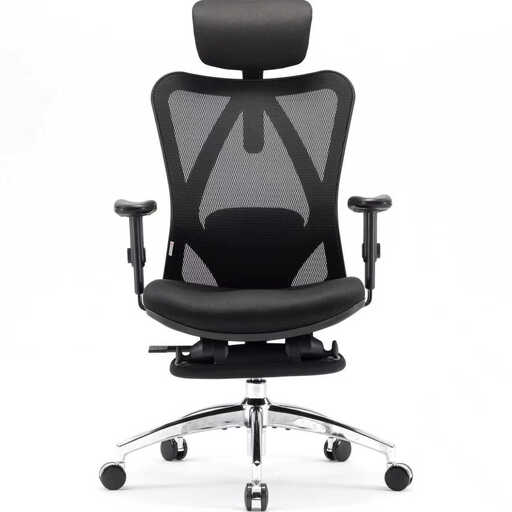
Why This Fits Their Persona: Perfect for individuals who sit for many hours a day, whether for work or gaming. The comprehensive adjustment options and the additional footrest allow for flexible adaptation to different activities and relaxation periods.
This chair combines function with comfort. Instead of just focusing on an aggressive gaming aesthetic, it offers adjustable head and lumbar supports and a retractable footrest—features that provide real value for long sessions.
Five dimensions of adjustment (back, head, height, tilt, armrests); integrated office chair with footrest for relaxation; high load capacity up to 150 kg.
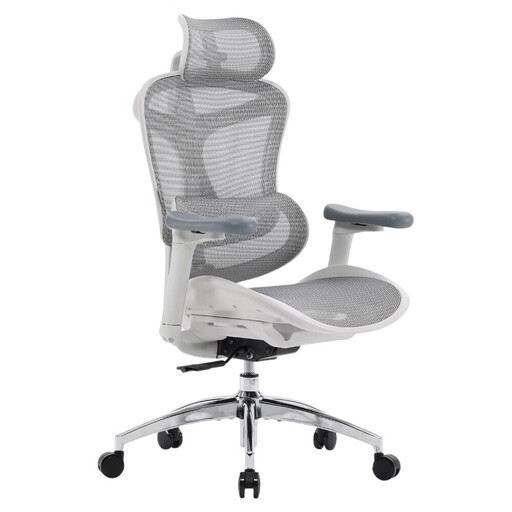
Why This Fits Their Persona: For users who value advanced ergonomics, high-quality materials, and a modern design. Its intelligent, self-adjusting mechanisms provide a high degree of comfort for a professional work environment.
This chair defies the "aesthetics over function" trap. It combines an award-winning design with a dynamic, self-regulating lumbar support and 3D armrests that move in sync with the backrest. Here, form truly follows function.
Self-adaptive lumbar support that adjusts to your movements; 3D armrests with a synchronous mechanism; intelligent weight-sensing for the recline function.
We have compiled a complete, up-to-date list of products that fully meet these strict selection criteria and rigorous safety standards.
1. How long does a good ergonomic office chair last? The lifespan heavily depends on material quality, construction, and usage. Models with high-quality components and certifications like BIFMA often last five to ten years with normal use. Look for a solid warranty period offered by the manufacturer, as this is an indicator of their confidence in the product's quality. Regular maintenance, such as tightening screws, can extend its lifespan.
2. Is a gaming chair a good alternative to an ergonomic office chair? Not always. While many gaming chairs offer ergonomic features like lumbar and neck pillows, their design focus is often on the bucket-seat aesthetic of motorsports. A high-quality ergonomic office chair, on the other hand, is designed from the ground up for a neutral, healthy posture during desk work and often provides more precise adjustment options, especially for the lumbar support and armrests. For pure office work, a classic ergonomic chair is usually the better choice.
3. How do I correctly adjust my ergonomic office chair? Follow this simple checklist for a good basic setup: