
Lieferung heute & morgen

Qualitätsgarantie

Willkommens-Angebote freischalten: KOSTENLOSE Lieferung | Bis zu 80 % RABATT | Kostenlose 30-Tage-JoyPlus-Testphase
App herunterladen
The wrong office chair can be more than just uncomfortable—it can disrupt your concentration and lead to long-term posture problems. Yet, the market is flooded with chairs advertised as "ergonomic" without meeting the crucial criteria. This guide will help you separate the wheat from the chaff and find a chair that truly fits your needs in the office or home office.
Before we dive into the important features, let's highlight three common pitfalls that often lead to disappointment and unnecessary expenses.
To avoid the pitfalls mentioned above, focus on verifiable, functional features. A good ergonomic office chair is defined by three core areas.
Adaptability is the heart of ergonomics. Look for the following adjustment options:
The durability and comfort of your chair depend directly on the materials used.
Instead of making a one-size-fits-all recommendation, we have selected models tailored to specific requirements and work styles.
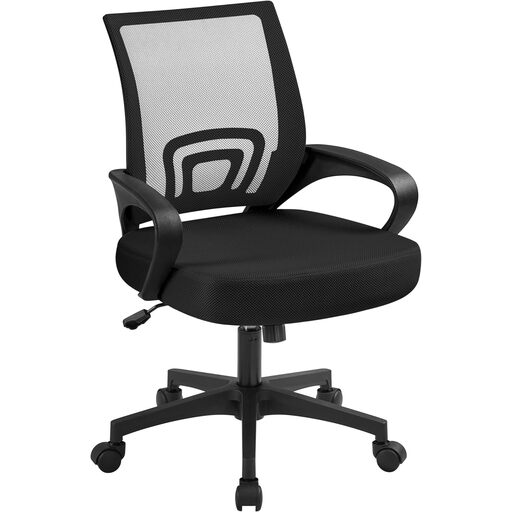
Why this model is a great fit: Ideal for users looking for a solid entry-level setup for their home office without a large budget. It provides the necessary basic functions for occasional to regular desk work.
This model bypasses the empty "ergonomic" promise by offering demonstrable features like adjustable seat height and a tilt function. According to the manufacturer, the gas lift is SGS and BIFMA certified, which addresses the pitfall of poor stability.
Breathable mesh back and seat for good comfort, even on longer days. The weight capacity of up to 136 kg provides a solid safety margin.
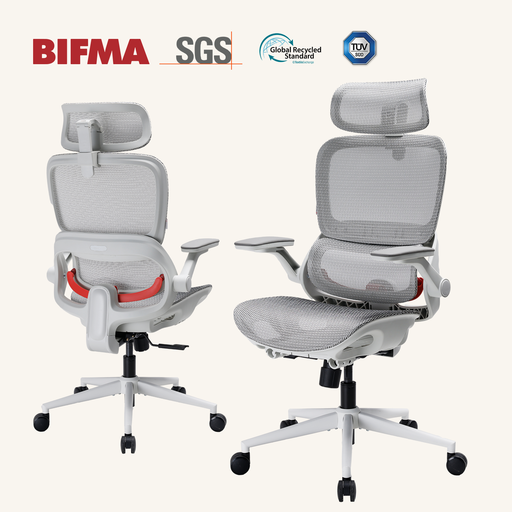
Why this model is a great fit: Perfect for individuals who spend many hours at their desk daily and value advanced, dynamic support. Its comprehensive adjustment options are aimed at maximum comfort and relief.
This chair avoids the pitfall of inferior materials by using a high-quality mesh fabric and an adaptive lumbar support. It adjusts to your movements and is more than just a static cushion—a concrete, functional feature.
The combination of adaptive lumbar support, a wide headrest, and 360° flip-up armrests offers a high degree of individual customisation and flexibility for various working positions.
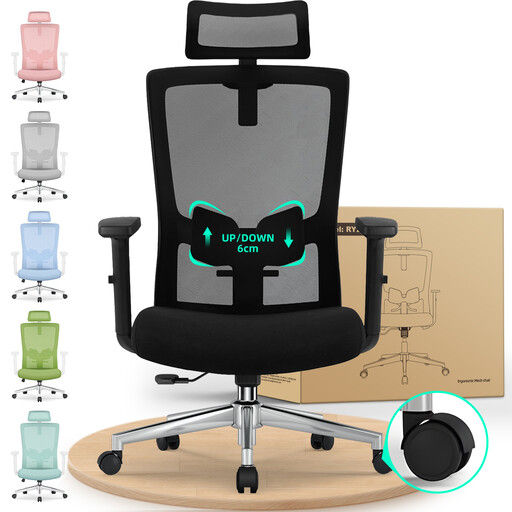
Why this model is a great fit: Designed for heavier loads and taller individuals. Its robust construction and high weight capacity limit make it a reliable choice for anyone needing an especially sturdy swivel chair.
This model directly addresses the pitfall of poor stability. According to the manufacturer, the gas lift and base are BIFMA and SGS certified and designed for a load of up to 150 kg. These are concrete, verifiable quality features.
The high weight capacity of 150 kg and reinforced mechanism provide a high degree of safety. The 6 cm adjustable lumbar support and the backrest that reclines up to 135° allow for precise customisation.
We've compiled a complete, up-to-date list of products that fully meet these strict selection criteria and safety requirements.
The lifespan heavily depends on the intensity of use and the quality of the components. A solid model with a high-quality mechanism and certified parts can last 5 to 10 years with daily use. Regular maintenance, such as tightening screws, can extend its lifespan.
Sit in the chair and place your feet flat on the floor. The optimal height is reached when your thighs are parallel to the floor or sloping slightly downward, and your knees form an angle of about 90-100 degrees. There should be about a hand's width of space between the back of your knees and the front edge of the seat.
Yes, this is an important detail. Hard floor casters (e.g., for parquet, laminate, tile) have a softer, rubber-like coating to protect the floor and prevent the chair from rolling away. Soft floor casters (for carpet) are harder and glide more easily over textile surfaces. Many chairs come with universal casters, but for optimal function and floor protection, it's worth choosing the appropriate type.