
Lieferung heute & morgen

Qualitätsgarantie

Willkommens-Angebote freischalten: KOSTENLOSE Lieferung | Bis zu 80 % RABATT | Kostenlose 30-Tage-JoyPlus-Testphase
App herunterladen
If you spend hours at your desk each day, you're likely familiar with the consequences of improper seating: neck tension, lower back pain, and dwindling concentration. An ergonomic office chair isn't a luxury; it's a fundamental investment in your health and productivity. Yet, the market is saturated with models that often overpromise and underdeliver.
As a Joybuy Product Recommendation Officer, I see it as my mission to provide you with objective guidance. In this guide, I'll show you the most common pitfalls to avoid when buying a chair and explain the crucial features you should look for to make an informed decision.
Many chairs are advertised as "ergonomic," but the term isn't protected. This leads to costly purchasing mistakes. Pay special attention to these three points:
To avoid the pitfalls mentioned above, you should check three core technical features before making a purchase. A good ergonomic desk chair adapts to you—not the other way around.
The chair's mechanism controls the movement of the seat and backrest. A synchronous mechanism is the gold standard for ergonomic seating. It ensures that the backrest and seat tilt in a coordinated ratio to each other. This promotes blood circulation, relieves pressure on the intervertebral discs, and supports dynamic sitting. Simple rocking mechanisms, where only the backrest tilts, do not offer this benefit.
Effective spinal support is crucial for an office chair designed for long hours of sitting.
The durability and safety of a chair depend directly on the components used.
Based on the criteria mentioned, we have identified a few models that are suitable for different requirements and budgets.
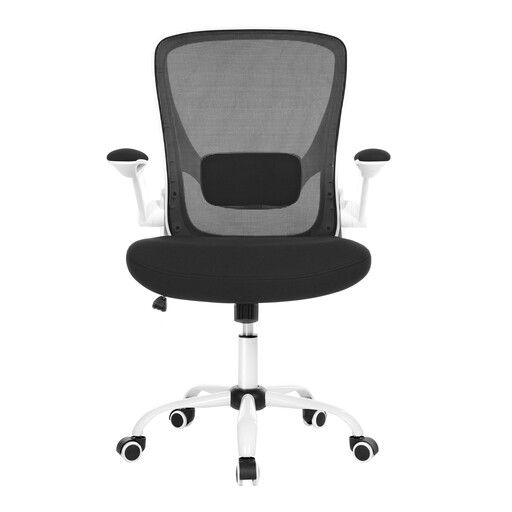
Why This Fits Their Persona: Ideal for students or a first home office. This model focuses on essential ergonomic features without breaking the budget. The flip-up armrests are especially practical for small spaces, as the chair can be pushed under the desk to save space.
It offers a genuinely adjustable lumbar support instead of a rigid curve, thus avoiding the 'pseudo-ergonomic' design trap.
Good value for money with fundamental ergonomic adjustments. The flip-up armrests provide flexibility and save space.
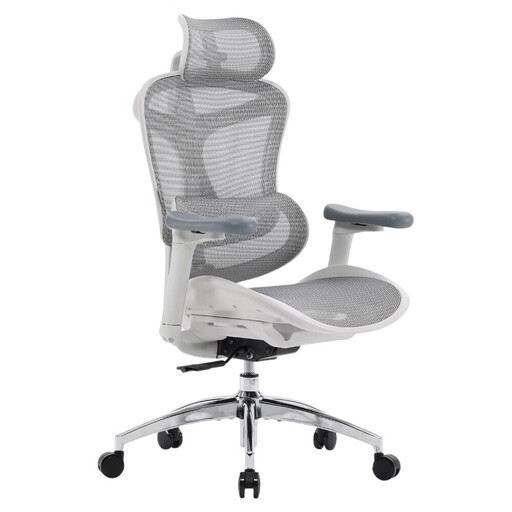
Why This Fits Their Persona: For individuals who work eight hours or more at their desk daily and require comprehensive, dynamic support. This chair is designed for long, focused work sessions and offers advanced adjustment options.
It debunks the 'one-size-fits-all' trap with a dynamic, self-adjusting lumbar support and 3D adjustable armrests that adapt to different body sizes and sitting positions.
The dynamic lumbar support adjusts to the user's movements, providing continuous support. Certifications according to EN1335 and BIFMA confirm its tested quality and safety.
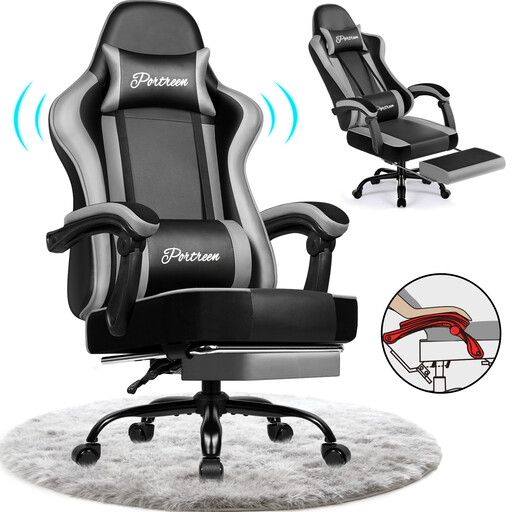
Why This Fits Their Persona: Suitable for gamers and users looking for a versatile chair for intense work and relaxation periods. The high load capacity and additional comfort features like the footrest make it a robust all-rounder.
This chair counters the trap of inferior materials with a sturdy metal frame and a weight capacity of up to 150 kg. The BIFMA and SGS certification of its components builds additional confidence in its durability.
The combination of high load capacity, a retractable footrest, and an extensive recline function (up to 170°) offers maximum flexibility for work, gaming, and relaxation.
We have compiled a comprehensive, up-to-date list of products that meet these strict selection criteria and relevant safety standards.
The lifespan of an office chair heavily depends on the material quality, frequency of use, and maintenance. Models with high-quality components and certifications like BIFMA or SGS are designed for longer durability and can last 5 to 10 years with normal use. Wear-and-tear parts like casters or the gas lift can often be replaced separately if needed. Regularly tightening the screws also contributes to stability and longevity.
A gaming chair can be a good alternative, but there are differences. Gaming chairs often have a racing-style bucket seat design with pronounced side bolsters, which may not be comfortable for every body type. Their focus is often on providing a stable position for intense gaming sessions. Classic ergonomic office chairs place more emphasis on dynamic sitting and subtle, adaptive support. However, many modern gaming chairs also integrate key ergonomic features like an adjustable lumbar support, 4D armrests, and high-quality synchronous mechanisms, making them a valid option for long periods of sitting.
BIFMA (Business and Institutional Furniture Manufacturer's Association) and SGS are internationally recognised organisations that set standards for the safety, durability, and performance of office furniture. A certification means that the chair or its components (e.g., the gas lift, base, or casters) have passed independent tests. These tests simulate long-term, intensive use and check for factors like stability, load capacity, and resistance to tipping. Such a seal is a reliable indicator of tested quality and safety.