
Lieferung heute & morgen

Qualitätsgarantie

Willkommens-Angebote freischalten: KOSTENLOSE Lieferung | Bis zu 80 % RABATT | Kostenlose 30-Tage-JoyPlus-Testphase
App herunterladen
By a Joybuy Product Recommendation Officer, August 29, 2026
An ergonomic office chair is more than just a place to sit; it's a tool for focus and well-being during your daily work. However, the market is flooded with models that promise a lot but deliver little. Many buyers invest in a chair only to find that their back pain is worse than before after just a few months. This guide will show you what to look for to avoid marketing traps and make an informed decision.
Before we dive into the important features, let's highlight the three most common mistakes that lead to a poor purchase.
To avoid a bad purchase, focus on the following objective parameters. These define a high-quality chair for long sitting periods.
Adaptability is the cornerstone of any ergonomic chair. Look for the following functions:
The material significantly influences comfort and durability.
Here are some models tailored to different user profiles and their specific requirements.
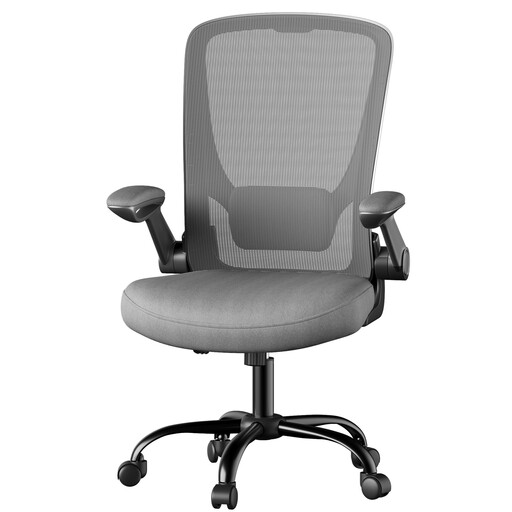
Why This Fits Their Persona: Ideal for users looking for a functional and value-conscious chair for their home office. The flip-up armrests are especially practical in smaller apartments, as the chair can be pushed completely under the desk.
This chair bypasses the "fake ergonomics" trap with an adjustable lumbar support and a breathable mesh backrest, offering genuine comfort instead of just aesthetics.
Space-saving design thanks to flip-up armrests and good ventilation due to the mesh back.
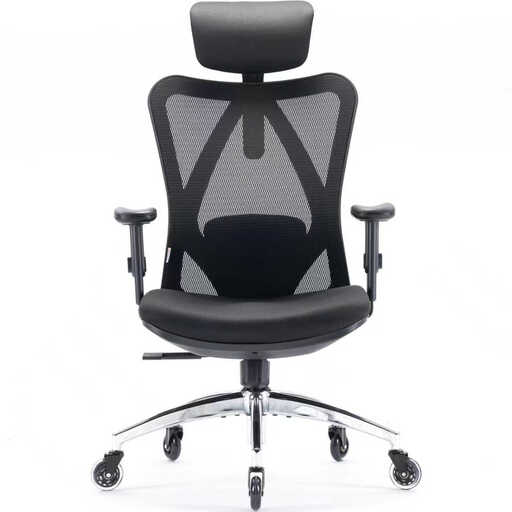
Why This Fits Their Persona: Designed for individuals who spend eight hours or more at their desk daily. The comprehensive adjustment options, including a headrest and lumbar support, allow for precise customisation to the body to minimise strain.
This model goes beyond vague "ergonomic" promises by offering five separate adjustment points. Furthermore, its BIFMA and SGS certifications confirm tested stability and load capacity.
High degree of customisation (headrest, lumbar, armrests) and a high maximum weight capacity of 150 kg.
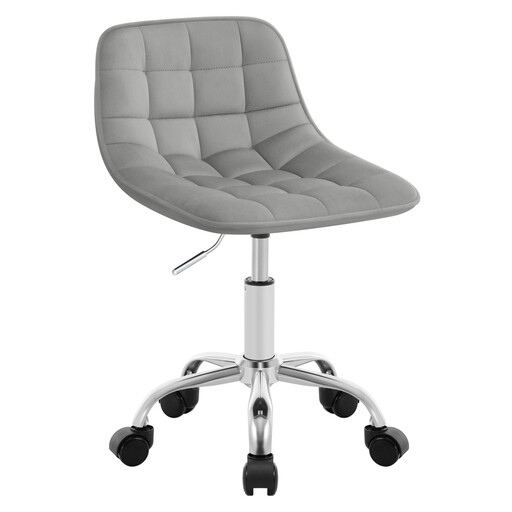
Why This Fits Their Persona: Perfect for users who need a chair that blends seamlessly into their home decor. The velvet finish and compact design make it a stylish addition to a study, vanity, or living room.
Although the focus is on design, the chair offers basic ergonomic features like continuous height adjustment and an ergonomically shaped backrest. It avoids the trap of being purely decorative.
A combination of modern aesthetics and functional ergonomics for moderate periods of use.
We've compiled a complete, up-to-date list of products that fully meet these strict selection criteria and rigorous safety standards.
The lifespan of an office chair heavily depends on the material quality, construction, and intensity of use. A high-quality model can easily last 7 to 10 years with daily use. Pay attention to the warranty period offered by the manufacturer—longer warranties are often an indicator of higher product quality. Cheaper models may need to be replaced after just 2 to 3 years.
Correct adjustment is crucial. Follow this simple checklist:
Neither option is universally "better"—it depends on your personal preferences and work environment. A mesh back offers excellent air circulation and is ideal for warmer offices or for people who tend to sweat easily. A padded back can provide a softer, more enveloping feel that some users find more comfortable. The key is that the upholstery material should be breathable to prevent heat buildup.