
Lieferung heute & morgen

Qualitätsgarantie

Willkommens-Angebote freischalten: KOSTENLOSE Lieferung | Bis zu 80 % RABATT | Kostenlose 30-Tage-JoyPlus-Testphase
App herunterladen
Long hours at a desk have become the norm for many professionals and students, whether in the office or a home office. The wrong desk chair can quickly lead to tension and discomfort. Choosing the right chair is therefore a crucial decision for your daily well-being and ability to concentrate.
This guide is here to help. It breaks down the essential features of an ergonomic office chair and presents a selection of models with different functions to make your decision easier.
With so many options available, finding the right chair can feel overwhelming. The following criteria will help you identify the features that matter most for your individual needs.
An ergonomic office chair should adapt to your body, not the other way around. Fundamental adjustments are crucial to maintain a neutral, supportive posture for several hours.
The chair's material affects both comfort and durability. The choice depends on personal preference and environmental conditions.
Some models offer features beyond the basic adjustments that can further enhance comfort. An office chair with a footrest, for example, allows you to put your feet up and fully relax in a reclined position—a useful feature for breaks during a long workday.
Based on the criteria above, we have curated a selection of chairs that cater to different needs and requirements.
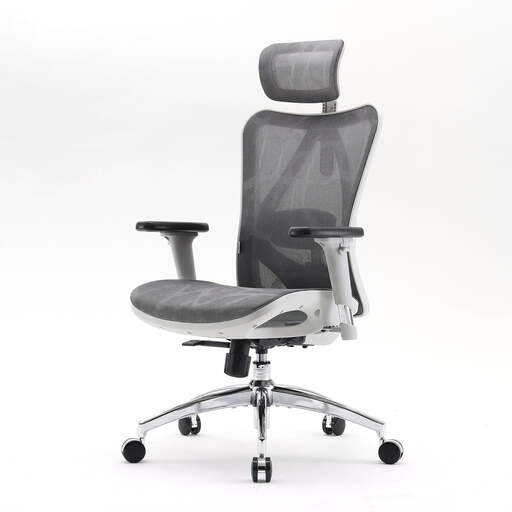
Why It Stands Out The Sihoo M57S combines a breathable design with comprehensive adjustability. Its aluminium alloy frame ensures stability, while the back and seat are made of high-elasticity polyester mesh, providing excellent ventilation.
Pros
Who It's For This model is an excellent choice for individuals looking for a versatile, adjustable, and breathable chair for daily work in a home office or corporate setting.
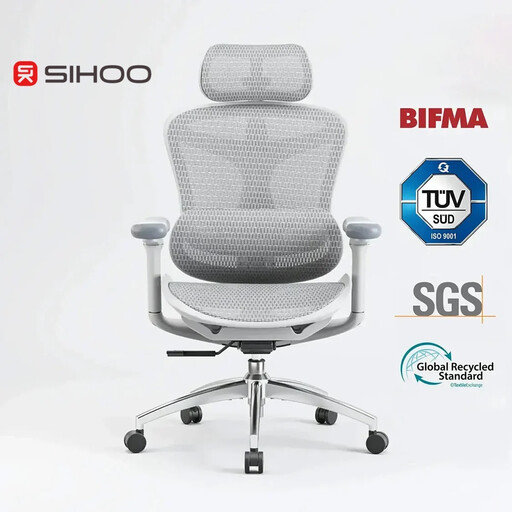
Why It Stands Out The Sihoo Doro C300 is distinguished by its self-adapting mechanism. The dynamic lumbar support and flexible back frame automatically adjust to the user's movements. An intelligent weight sensor regulates the backrest's resistance.
Pros
Who It's For Ideal for users seeking an advanced ergonomic solution with automatic adjustments who also value high weight capacity and tested components.
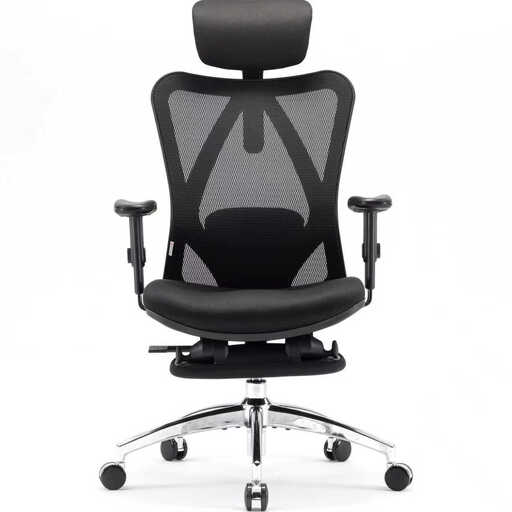
Why It Stands Out This model integrates a retractable footrest, transforming the chair into a comfortable recliner for breaks. Combined with a breathable mesh back and high-density foam padding, the M18JT offers functionality for both work and relaxation.
Pros
Who It's For This chair is the right choice for those who want an all-rounder that not only supports them during work but also offers a comfortable relaxation feature for in-between moments.
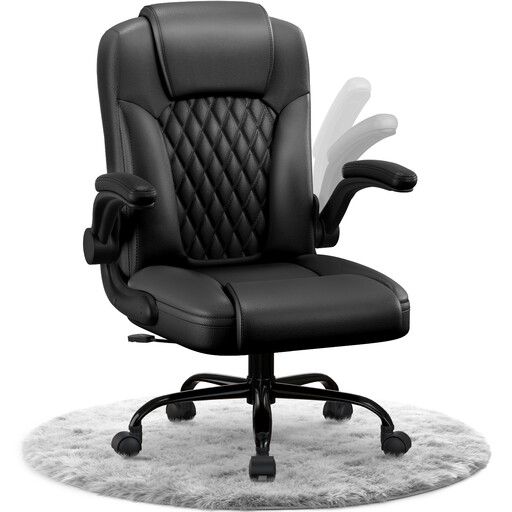
Why It Stands Out The GTIMEX office chair embraces a classic executive chair aesthetic with a PU faux leather cover. A key feature is the 90° flip-up armrests, which allow the chair to be pushed neatly under a desk to save space. According to the manufacturer, the seat combines memory foam, natural latex, and high-density foam.
Pros
Who It's For This model appeals to users who prefer the design of a classic executive chair but don't want to compromise on basic ergonomic functions and practical details like flip-up armrests.
If your needs go beyond those of a classic office chair, such as for intense and long gaming sessions, a model designed specifically for that purpose might be of interest. These chairs often feature a different design and additional padding.
️ Discover our selection of Gaming Chairs with Desks here.
1. What makes an office chair ergonomic? An office chair is considered ergonomic if it offers a wide range of adjustments to fit the user's individual body measurements and needs. These typically include adjustable seat height, seat depth, backrest, armrests, and lumbar support. The goal is to promote a healthy, neutral posture and minimise physical strain.
2. How do I properly adjust an ergonomic office chair? Start with the seat height, ensuring your feet are flat on the floor. Adjust the seat depth so there is about a hand's width of space between the seat edge and the back of your knees. Fit the lumbar support to the curve of your lower back. The armrests should be positioned so that your shoulders are relaxed and your forearms rest at a 90-degree angle.
3. Which material is better for an office chair: mesh or faux leather? The choice depends on personal preference. Mesh is highly breathable and ideal for people who tend to sweat or work in a warm environment. Faux leather offers a classic, professional look and is easy to maintain, but it is less air-permeable.