
Lieferung heute & morgen

Qualitätsgarantie

Willkommens-Angebote freischalten: KOSTENLOSE Lieferung | Bis zu 80 % RABATT | Kostenlose 30-Tage-JoyPlus-Testphase
App herunterladen
Long hours at a desk, whether in a home office, a corporate setting, or while studying, take their toll. An unsuitable chair can lead not only to discomfort but also to long-term posture problems. The market is flooded with chairs advertised as "ergonomic," but not all deliver on their promise. As your Joybuy Product Recommendation Officer, I'll help you separate the wheat from the chaff and identify the features that truly matter.
Before we dive into the essential features, let's highlight the typical traps that often lead to a bad purchase.
To avoid these pitfalls, focus on objective, measurable criteria. A good ergonomic office chair is distinguished by specific adjustment options and high-quality materials.
The ability to adapt a chair to your own body is its most important feature. Look for the following adjustment options:
The durability and comfort of a chair depend heavily on the materials used.
Based on these criteria, we have selected a few models for different user profiles.
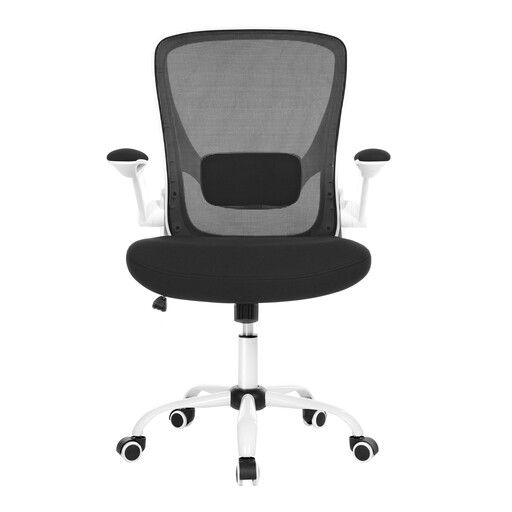
Why This Fits Their Persona: Offers fundamental ergonomic features like lumbar support and adjustable height at an accessible price point. The flip-up armrests are ideal for compact workspaces or student rooms where saving space is a priority.
Focuses on functional ergonomics rather than purely aesthetic features. The flip-up armrests are a practical detail often found only on more expensive models, offering real added value.
Space-saving design with flip-up armrests; breathable mesh back for enhanced comfort.
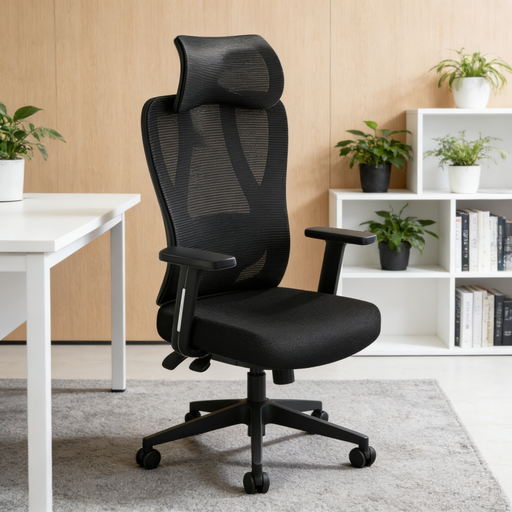
Why This Fits Their Persona: Designed for long workdays with advanced adjustment options. The 4D lumbar support and a generous recline angle of up to 140° allow for precise body contouring and relaxing breaks. Ideal for individuals who sit for more than 8 hours a day.
Goes beyond the mere "ergonomic" label by offering specified 4D lumbar support, which ensures dynamic and adaptable assistance instead of a rigid shape.
Advanced 4D lumbar support; breathable double-layer mesh fabric for comfort during long sitting periods.
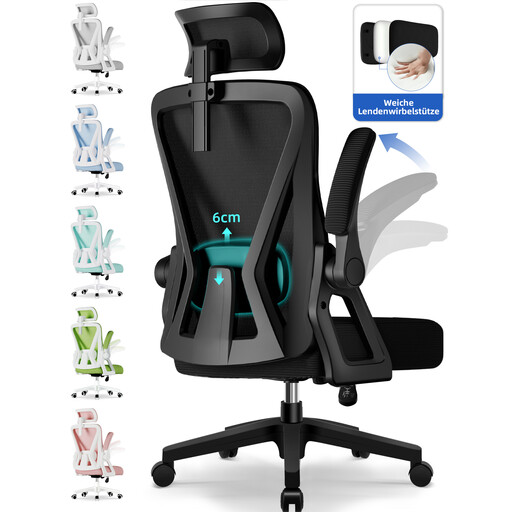
Why This Fits Their Persona: This chair is designed for a higher weight class, offering a robust construction without compromising on ergonomic adjustment options. A back-friendly executive chair for demanding users who value stability and durability.
The specified load capacity of 150 kg is based on a sturdy construction and a certified gas lift. This ensures the chair maintains its shape and function even under heavier loads.
High load capacity up to 150 kg; comprehensive adjustment options including headrest and a rocking function up to 135°.
We have compiled a complete, up-to-date list of products that fully meet these strict selection criteria and German safety regulations.
Start with the seat height: your feet should be flat on the floor and your thighs parallel to it. Then, adjust the seat depth so there are 2-3 fingers' width of space between the back of your knees and the edge of the seat. Set the lumbar support to support the natural curve of your lower back. The armrests should be positioned so that your shoulders are relaxed and your forearms rest on the desk surface at a 90-degree angle.
The lifespan depends on the quality of the components and the intensity of use. A high-quality chair with a sturdy metal base, a certified gas lift, and durable upholstery can last 5 to 10 years with daily use. Cheaper models often need to be replaced after just 1-3 years as the padding and mechanics degrade.
A gaming chair can be an option for some users, as many models also feature adjustment options like a rocking function and adjustable armrests. However, their design is often inspired by racing seats, which can lead to pronounced side bolsters and a fixed, forward-leaning posture. For pure office work, where a neutral and upright posture is paramount, a classic ergonomic office chair is often the more suitable choice, as its design is primarily focused on long-lasting, health-promoting comfort in the workplace.