
Lieferung heute & morgen

Qualitätsgarantie

Willkommens-Angebote freischalten: KOSTENLOSE Lieferung | Bis zu 80 % RABATT | Kostenlose 30-Tage-JoyPlus-Testphase
App herunterladen
A suitable ergonomic office chair isn't a luxury purchase; it's a fundamental necessity for anyone who regularly works at a desk. Sitting for hours in an improper posture can lead to muscle tension, back pain, and reduced concentration. However, the market is flooded with models whose advertising promises often create more confusion than clarity. As your Joybuy Product Recommendation Officer, I'll help you identify the crucial features and avoid common purchasing traps.
Before we dive into the important features, let's highlight the three most common issues that can lead to a poor purchase:
To avoid a bad purchase, focus on objective and measurable criteria. These three parameters are essential for a good home office chair.
Making an office chair height-adjustable is the absolute minimum standard. Look for advanced customisation options to perfectly tailor the chair to your body's dimensions:
The maximum weight capacity is a direct indicator of the construction's robustness. A chair that supports up to 150 kg typically uses more durable materials for the gas spring, base, and mechanism. Look for recognised certifications like BIFMA or EN 1335. These standards test the durability, stability, and safety of office furniture under stress. According to manufacturer specifications, models like those from Yaheetech or Sihoo undergo tests that simulate, for example, 100,000 impact loads.
The choice of upholstery material has a direct impact on seating comfort and longevity:
Based on these criteria, we have identified a few models that are suitable for different requirements and budgets.
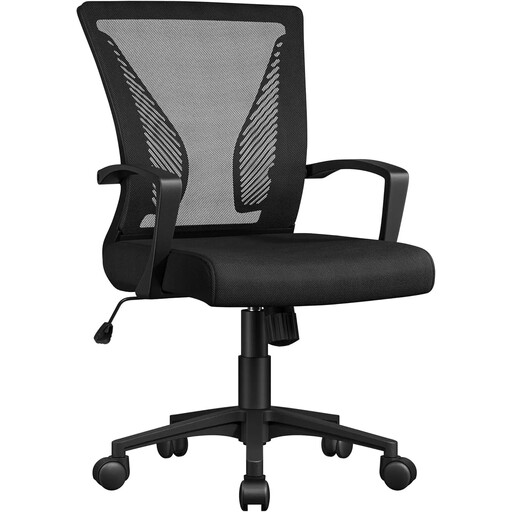
Why This Fits Their Persona: Ideal for students or a first home office. This model focuses on the essential ergonomic fundamentals without breaking the budget. It provides a solid foundation for comfortable work over several hours.
It bypasses the "empty ergonomics promise" trap by focusing on functional basics. The breathable mesh back directly addresses the problem of unsuitable, non-breathable materials.
Solid foundational features with a breathable mesh back, simple height adjustment, and a manufacturer-stated weight capacity of up to 136 kg.
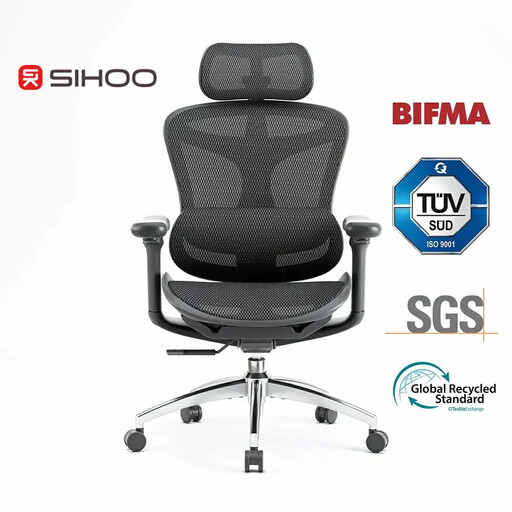
Why This Fits Their Persona: For professionals who spend eight hours or more at their desk daily. This chair offers advanced, dynamic adjustment options that support an active and healthy posture over long periods.
This model delivers tangible, adjustable features instead of vague promises. The self-adaptive lumbar support and 3D armrests are specific features that enable true, personalised ergonomics.
Dynamic lumbar support that adapts to your movements. High weight capacity of up to 150 kg and an intelligent, weight-sensitive recline mechanism.
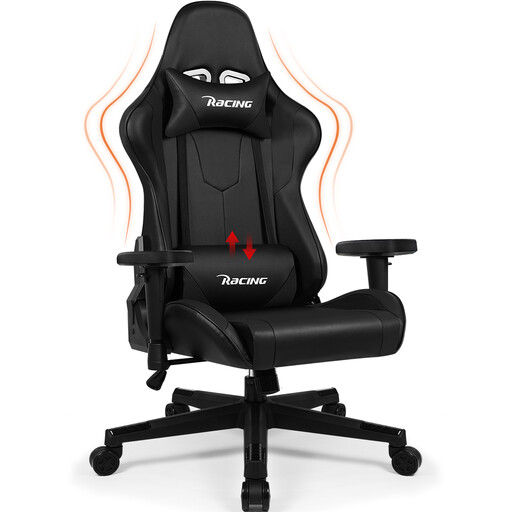
Why This Fits Their Persona: This chair is designed for users who not only work but also game or consume media. The deeply reclining backrest and separate support cushions are ideal for changing, often reclined, sitting positions.
While many gaming chairs focus solely on aesthetics, this model offers functional benefits. The extreme recline (up to 170°) and adjustable cushions provide real value for relaxed postures, going beyond mere marketing design.
High backrest with a manufacturer-stated recline function from 90° to 170°. Separate, adjustable cushions for the lumbar and neck areas provide targeted support.
We've curated a comprehensive, up-to-date list of products that meet these strict selection criteria and relevant safety standards.
The lifespan of an office chair depends heavily on the quality of its materials, construction, and the intensity of use. A high-quality model can last 5 to 10 years with regular use. Pay attention to the manufacturer's warranty period—some brands like Sihoo, for example, offer a three-year warranty. Regular maintenance, such as tightening screws every few months, can further extend its lifespan.
This depends on your primary activities and personal preferences. A classic ergonomic office chair is typically optimised for an upright, task-oriented work posture and supports it with features like a synchronous mechanism. A gaming chair, on the other hand, often focuses on a high backrest, pronounced side bolsters, and a deep recline function, which can be advantageous for relaxed postures while gaming or watching videos. For an eight-hour day consisting mainly of typing, a dedicated office chair is often the better choice.
A chair with lumbar support is designed to support the natural inward curve of your lower spine (the lordosis). During long periods of sitting, many people tend to flatten this curve, which can lead to strain on the intervertebral discs and lower back pain. Lumbar support helps maintain a healthy posture. Adjustable support is particularly recommended as it can be precisely adapted to the position of your spine. For anyone who sits for more than two hours a day, it is a crucial ergonomic feature.