
Lieferung heute & morgen

Qualitätsgarantie
App herunterladen
Kategorien
Choosing the right office chair is a decision that should be based on objective criteria. With several hours of daily use, factors like adjustability, material, and support functions significantly impact your posture and well-being. This article analyses the technical features that define an ergonomic office chair and presents a selection of models with various specifications.
A desk chair should adapt to the user, not the other way around. The following technical parameters are essential for making an informed purchasing decision.
Adaptability is the core feature of an ergonomic chair. Look for the following adjustment options:
The lumbar support is a curve in the lower section of the backrest that supports the natural S-shape of the spine. Ideally, this support is adjustable in height and depth to precisely match your individual lumbar curve. An office chair with lumbar support is especially beneficial for long periods of sitting.
The choice of material affects both the chair's longevity and seating comfort.
The following models were selected based on their technical specifications and feature sets.
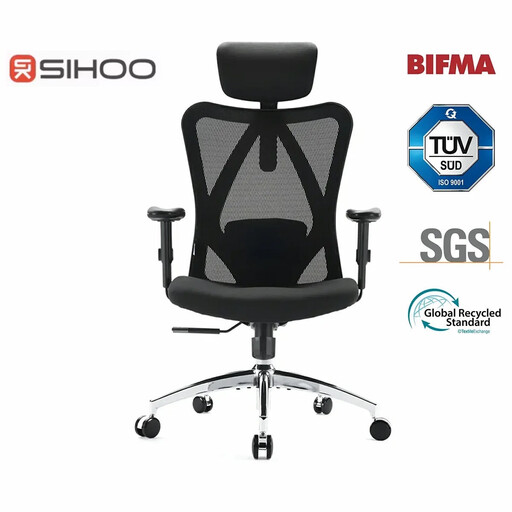
Why we recommend this product: The SIHOO M18 offers a comprehensive suite of ergonomic adjustment options. Its BIFMA and SGS certifications confirm its tested durability and construction. With its high backrest and fully adjustable headrest and lumbar support, it is designed for long workdays.
Pros:
Who it's for: Professionals seeking a functional and certified ergonomic office chair for the office or home office, who value precise adjustment to their body's dimensions.
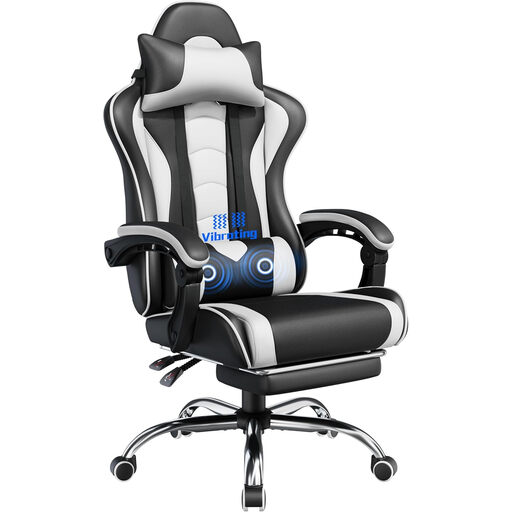
Why we recommend this product: This gaming chair from Yaheetech combines fundamental ergonomic functions with additional comfort features. The integrated massage function in the lumbar pillow and the retractable footrest offer opportunities for relaxation during breaks. Its high weight capacity and wide recline angle make it a versatile swivel chair.
Pros:
Who it's for: Gamers and users who want a chair not just for work but also for relaxation, and who appreciate features like a massage function or a reclining position.
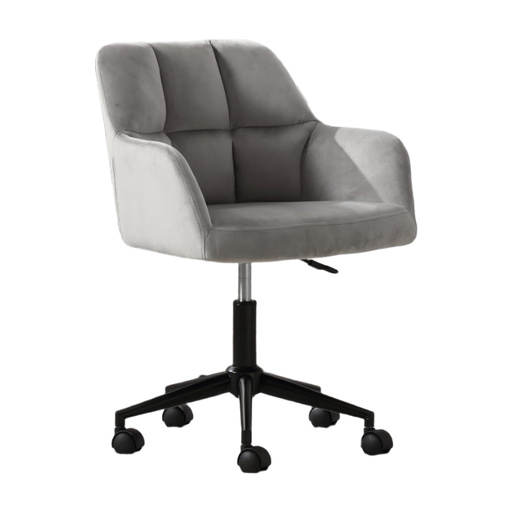
Why we recommend this product: The CHAIRUS chair focuses on design and materiality. Its velvet upholstery and tufted backrest give it a stylish, residential aesthetic that integrates well into a chic home office or living space. It offers fundamental ergonomic functions in a visually appealing package.
Pros:
Who it's for: Users who prioritise the chair's visual integration into their living space and are looking for a comfortable chair for the home office for moderate periods of use.
The models presented cover a range of user profiles, from highly functional to design-oriented. If you are looking for more specialised designs, different materials, or additional features, you can find a broader selection in our main category.
Discover our full range of Office Computer Chairs here
1. What makes an office chair ergonomic? An office chair is considered ergonomic if it has multiple adjustment options to adapt to the user's individual body dimensions and sitting habits. These include adjustable seat height, seat depth, backrest, and armrests, as well as integrated lumbar support to stabilise the spine.
2. How do I correctly adjust an ergonomic office chair? Start with the seat height, ensuring your feet are flat on the floor and your knees form an angle of approximately 90 degrees. Adjust the seat depth so there is a hand's width of space between the back of your knees and the edge of the seat. The lumbar support should be positioned in the natural curve of your lower back. The armrests should be set so that your forearms rest comfortably and your shoulders are relaxed.
3. Which chair is suitable for a home office? The choice depends on the daily duration of use. For several hours of daily work, a fully adjustable ergonomic office chair like the SIHOO M18 is a sensible choice. For occasional use, or if the chair is also intended to be a design element, a model like the CHAIRUS Velvet Chair can be a suitable alternative.