
Lieferung heute & morgen

Qualitätsgarantie

Willkommens-Angebote freischalten: KOSTENLOSE Lieferung | Bis zu 80 % RABATT | Kostenlose 30-Tage-JoyPlus-Testphase
App herunterladen
Long days at the desk, whether in the office or at home, have become the norm for many of us. This often leads to tension in the neck and back. A suitable ergonomic office chair is not a luxury purchase, but a fundamental component of a healthy and productive workspace. This guide is designed to help you understand the key features and make an informed decision tailored to your individual needs.
The selection of office chairs is vast. To keep things clear, it's helpful to focus on a few core features that truly make a chair ergonomic.
Sitting statically for hours puts one-sided strain on the body. A good, ergonomically designed desk chair should adapt to your body's dimensions and work style. Look for the following adjustment options:
The lumbar spine (lordosis) has a natural S-curve. An office chair with lumbar support fills the gap in your lower back, stabilising the spine in its natural shape. This helps prevent poor posture and the development of back pain. Ideally, this support is adjustable in height and depth to be precisely tailored to your back.
The material affects both the comfort and the durability of the chair.
Based on the criteria mentioned, we have compiled a selection of models that cater to different requirements and preferences.
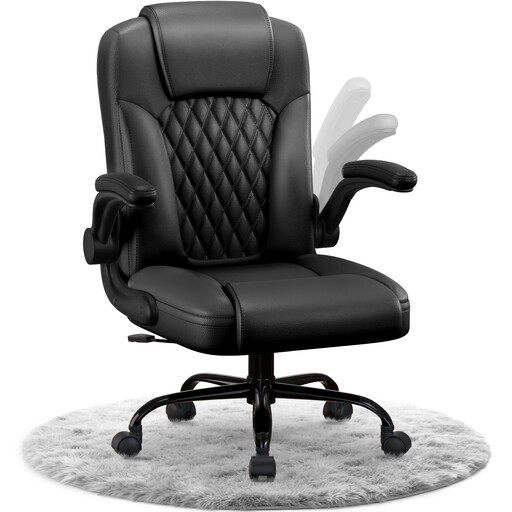
Why It Stands Out: This model combines the classic look of an ergonomic executive chair with practical features for the modern home office chair. The 90° flip-up armrests allow the chair to be pushed under the desk to save space.
Pros:
Who Is It For? Users looking for a professional yet functional chair for their home office who value high load capacity and space-saving features.
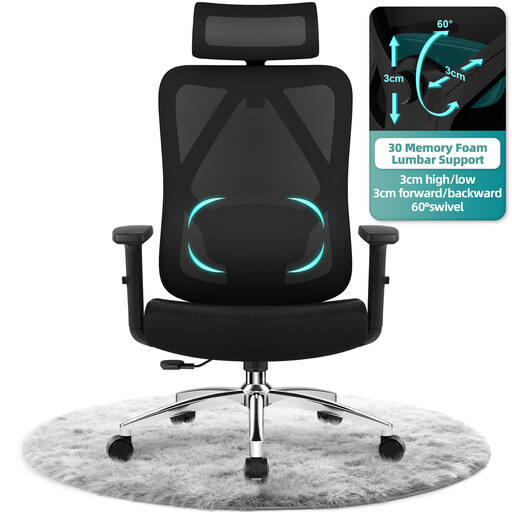
Why It Stands Out: This model is distinguished by its exceptionally high load capacity of up to 200 kg and its advanced adjustment options, particularly the 3D memory foam lumbar support.
Pros:
Who Is It For? Taller or heavier individuals, as well as users who need targeted and finely adjustable support in the lumbar region and are looking for a chair with maximum stability and durability.
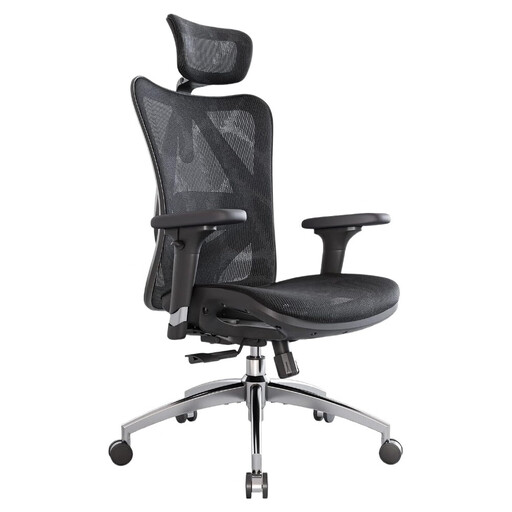
Why It Stands Out: The Sihoo M57S is a well-known model that offers a well-rounded package of ergonomic features. Particularly noteworthy are the versatile, adjustable 3D armrests and the full mesh upholstery for superior climate comfort.
Pros:
Who Is It For? Users looking for a versatile all-rounder for long work or gaming sessions who place special value on adjustable armrests and maximum breathability.
Proper ergonomics are crucial, but design and colour also play a role in setting up your workspace. If you're looking for a chair that is not only functional but also makes a visual statement, you might find the perfect model in other collections.
? Discover more chair models in various colours and designs
An office chair is considered ergonomic if it offers a variety of adjustment options to adapt to the user's individual body measurements and needs. These include adjustable seat height, seat depth, customisable armrests, and a backrest with integrated, ideally adjustable, lumbar support. A mechanism that promotes dynamic sitting (e.g., a synchronous mechanism) is also a key feature.
Start with the seat height, so your feet are flat on the floor and your thighs are parallel to the ground. Adjust the seat depth so there are 2-3 fingers of space between the back of your knees and the edge of the seat. Adjust the lumbar support to fit the natural curve of your lower back. The armrests should be set so that your shoulders are relaxed and your forearms rest at a 90-degree angle on the rests or the desk.
The lifespan of an office chair depends heavily on the quality of the materials, the construction, and the intensity of use. Models with a robust metal base, high-quality castors, and certified gas springs (e.g., according to BIFMA standards) are generally more durable. With regular use, a high-quality chair can last five to ten years or even longer. Regularly checking the screws and moving parts can further extend its lifespan.