
Lieferung heute & morgen

Qualitätsgarantie
App herunterladen
Kategorien
The amount of time spent sitting each day, whether at the office or at home, can significantly impact your physical well-being. An ergonomic office chair is engineered to support the body in a neutral posture, reducing strain on the spine, neck, and joints. Selecting the right model depends on an analysis of its technical specifications and your individual physical requirements.
The functionality of an office chair is defined by its mechanical adjustment options and the materials used in its construction. The following criteria are essential for making an informed decision.
A height-adjustable office chair is a fundamental feature that allows you to align the seat height with your body and your desk. Your feet should rest flat on the floor, with your thighs forming a slightly downward-sloping line. Other critical adjustment options include:
An integrated office chair with lumbar support is a key feature for ergonomic sitting. This support fills the natural curve of the lumbar spine, promoting an upright posture. Ideally, the lumbar support is adjustable in height and depth to be precisely tailored to your individual spinal curve.
The choice of material affects comfort, durability, and breathability.
While a classic home office chair is designed for a neutral and focused work posture, a gaming chair often offers additional features. These can include a deeper backrest recline, retractable footrests, and pronounced side bolsters for more support during dynamic movements. Both chair types can have ergonomic features, but they prioritise different functions.
The following models have been selected based on their technical specifications and feature sets.
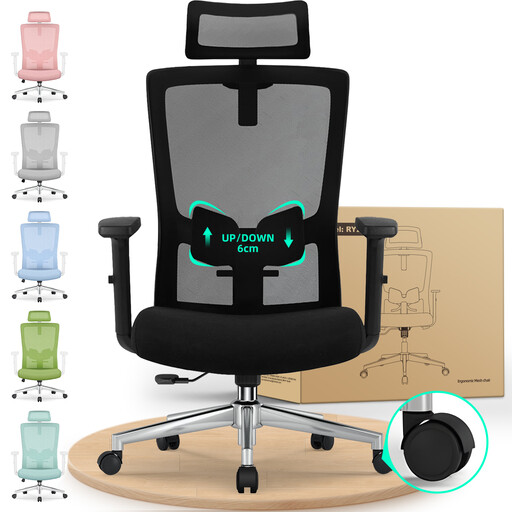
Why we recommend this product: This model combines a wide range of adjustment options with certified components. The S-shaped backrest is modelled on the human spine and is complemented by a 6 cm adjustable lumbar support. According to the manufacturer, the gas lift and base are tested to BIFMA and SGS standards, indicating high reliability and safety.
Pros:
Who it's for: Individuals between 155 and 185 cm tall who need a highly customisable swivel chair for long workdays in the office or at home.
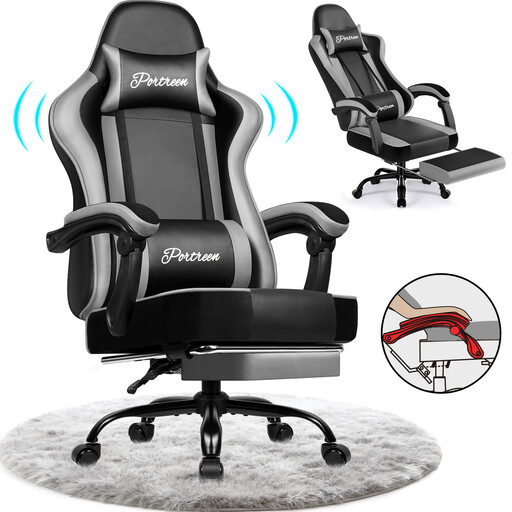
Why we recommend this product: This PC chair is specifically designed for long gaming sessions or as a multifunctional workstation chair. It features an extreme backrest recline (90° to 170°) and a retractable footrest. The use of high-density, shape-retaining foam and water-repellent PU leather is aimed at durability and comfort.
Pros:
Who it's for: Gamers and users who want a chair with maximum flexibility for work and relaxation and value an integrated leg rest.
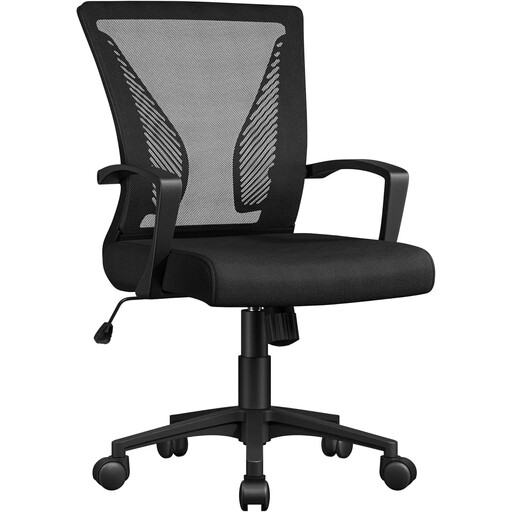
Why we recommend this product: This model focuses on essential ergonomic functions at an accessible price point. The combination of a breathable mesh backrest, a wide seat, and a sturdy construction with a load capacity of 136 kg makes it a solid foundational choice for a home office or workplace.
Pros:
Who it's for: Users who need a functional and straightforward ergonomic desk chair for studying, working from home, or occasional office use.
The models presented cover specific user profiles. If you are looking for other options, such as specialised executive chairs or different designs, you can find a wider selection in our Office Chairs Furniture category.
An office chair is considered ergonomic if it has multiple adjustment options to adapt to the user's individual body measurements and needs. This includes at least an adjustable seat height, an adaptable backrest, and ideally, adjustable armrests and lumbar support. The goal is to promote a neutral body posture and minimise physical strain.
Even in a very good ergonomic office chair, it is advisable to change your sitting position regularly and take breaks for movement. It is recommended to stand up, stretch, or walk a few steps at least once per hour to loosen muscles and promote circulation (dynamic sitting).