
Lieferung heute & morgen

Qualitätsgarantie

Willkommens-Angebote freischalten: KOSTENLOSE Lieferung | Bis zu 80 % RABATT | Kostenlose 30-Tage-JoyPlus-Testphase
App herunterladen
By the Joybuy Product Recommendation Officer, July 05, 2026
Long hours spent sitting in a home office, at the workplace, or during intense gaming sessions can lead to back and neck strain. An unsuitable chair often worsens this discomfort without you even noticing. The goal of this guide is to provide you with objective guidance on what to look for when choosing an ergonomic office chair. We will introduce specific models and explain the key features, enabling you to make an informed decision based on facts, not marketing promises.
Choosing the right chair depends on your individual needs. However, there are three key aspects you should always consider to promote comfort and a healthy sitting posture.
An ergonomic desk chair should adapt to your body, not the other way around. Look for a wide range of adjustment options. A height-adjustable and, ideally, depth-adjustable office chair with lumbar support is fundamental for providing targeted relief to the lower back. Equally important are adjustable armrests to relax the shoulder muscles and an adjustable seat height that allows you to place your feet flat on the floor. An executive chair with a headrest offers additional relief for the neck, especially when reclining.
The material affects both comfort and durability. A breathable office chair with a mesh backrest promotes air circulation and prevents excessive sweating during long periods of sitting. Models with a PU leather cover are easy to clean and robust. A crucial factor is the maximum weight capacity. If you need a particularly sturdy chair, look for models explicitly rated as office chair 150 kg or higher. This ensures safe and long-lasting use.
Depending on your use case, extra features can make all the difference. An office chair with a footrest allows for relaxing breaks and promotes circulation in the legs. While classic office chairs often focus on subtle functionality, a gaming chair frequently features a bolder design and extra padding designed for long gaming sessions. The choice here depends heavily on personal preference and the primary purpose of the chair.
Based on the criteria above, we have compiled a selection of models that stand out for their specific features and functions.
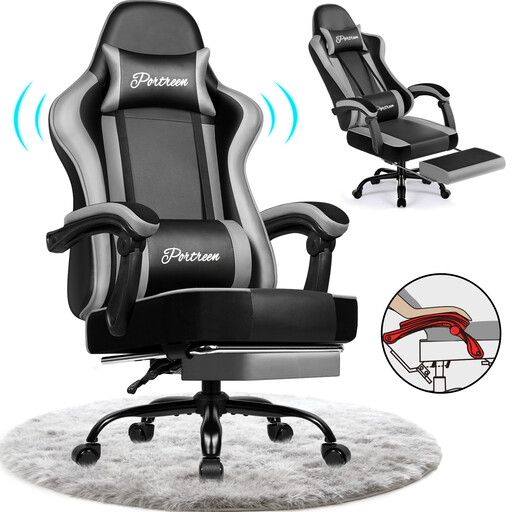
Why it stands out: This model combines the aesthetics of a gaming chair with practical ergonomic features. The retractable footrest and deeply reclining backrest make it a versatile option for both work and relaxation.
Advantages:
Who it's for: Ideal for gamers and home office users who need a highly stable chair that is suitable for focused work as well as for relaxed breaks or media consumption.
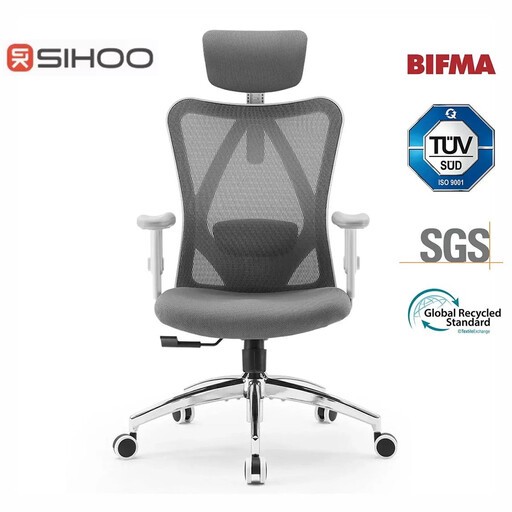
Why it stands out: The Sihoo M18 focuses on the core aspects of ergonomics. With its breathable mesh backrest and multiple adjustment options, it is consistently designed for long workdays at the desk.
Advantages:
Who it's for: An excellent choice for office employees and remote workers who need a functional, breathable, and highly customisable chair for extended periods of work.
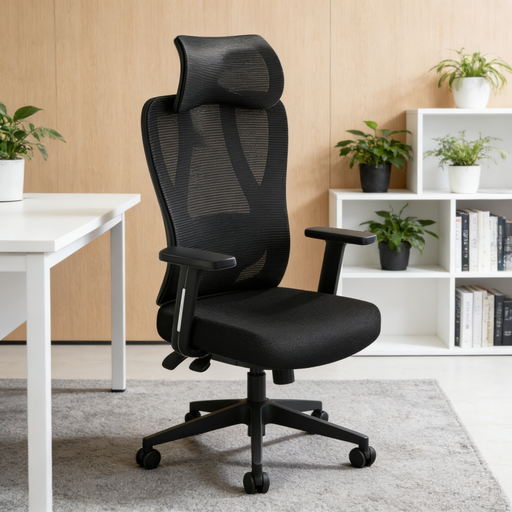
Why it stands out: The Z5 Soft Chair focuses on advanced adaptability, particularly with its 4D pivoting lumbar support. It combines high-quality materials with a design that looks great in both an office and a gaming setup.
Advantages:
Who it's for: For users who place the highest value on precise and dynamic lower back support and are looking for a chair with premium comfort for mixed-use scenarios (work and gaming).
The models featured here already cover a wide range of needs. However, if you are specifically looking for more chairs with neck support, you can find a larger selection in our category.
? Explore more office chairs with adjustable headrests here
An office chair is considered ergonomic if it has numerous adjustment options to adapt to the user's body dimensions and sitting habits. This includes, at a minimum, an adjustable seat height, backrest recline, and armrest height. Advanced ergonomic features include customisable lumbar support, seat depth adjustment, and an adjustable headrest. The goal is to support a neutral posture and reduce peak stress on the spine, shoulders, and neck.
Both types of chairs can offer ergonomic benefits. The decision depends on personal priorities. Ergonomic office chairs are often designed for subtle adjustments and long-lasting, understated comfort, frequently using breathable materials like mesh. Gaming chairs often have a more striking aesthetic, pronounced side bolsters (racing seat design), and extra features like a footrest or an extreme recline angle. For a work environment purely focused on productivity, a classic ergonomic office chair is often the more neutral choice, while a gaming chair may appeal to users who want a versatile option for both work and leisure.
The specified maximum weight capacity is a critical safety and quality feature. A chair designed for a higher weight (e.g., an office chair 150 kg) typically has a more robust base, a stronger gas lift, and a more durable mechanism. Choosing a chair with a weight limit significantly above your own body weight contributes to its longevity and stability, preventing premature wear and tear on its components.