
Lieferung heute & morgen

Qualitätsgarantie

Willkommens-Angebote freischalten: KOSTENLOSE Lieferung | Bis zu 80 % RABATT | Kostenlose 30-Tage-JoyPlus-Testphase
App herunterladen
By Joybuy Product Recommendation Officer, August 28, 2026
For many people, daily work in the office or at home means sitting for hours on end. An unsuitable chair can quickly lead to muscle tension and back problems. However, the office chair market is saturated with marketing promises that often confuse more than they help. A model advertised as "ergonomic" is not automatically the right choice.
This guide will show you which pitfalls to avoid and what objective criteria truly matter when selecting a suitable and durable chair for your home office.
Before we delve into the important features, let's look at the typical mistakes that can lead to a bad purchase.
To avoid a poor purchase, focus on verifiable facts and functions. The following three areas are crucial for comfort and health.
A high-quality ergonomic office chair is defined by its adaptability. Look for the following adjustment features:
The stability and longevity of a chair depend directly on the quality of its components.
The mechanism determines how the seat and backrest move. It promotes "dynamic sitting"—the practice of alternating between different sitting positions.
Here are some models that are well-suited for different user profiles based on objective features.
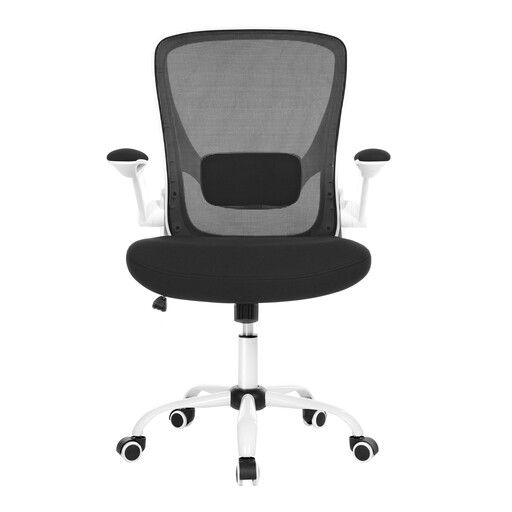
Why This Fits Their Persona: Ideal for students or occasional home office use. This model offers fundamental ergonomic features at an accessible price point without skimping on necessary support.
Instead of a rigid frame, this chair offers an adjustable lumbar support and a rocking function, moving beyond the empty "ergonomic" promise.
The flip-up armrests allow the chair to be pushed neatly under a desk, a practical feature for smaller apartments or rooms with limited space.
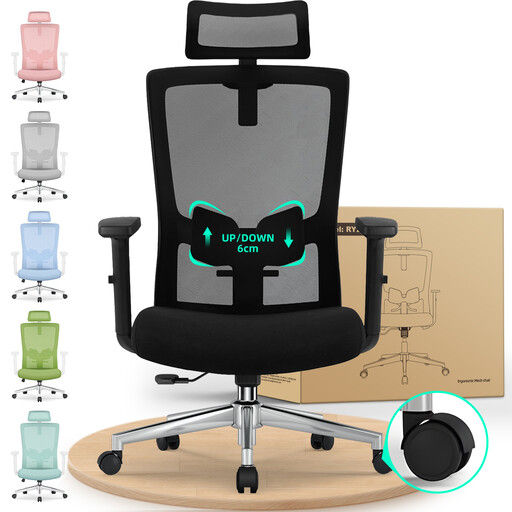
Why This Fits Their Persona: Perfect for professionals who spend many hours at their desk every day. Its comprehensive adjustment options allow for precise customisation to one's body for maximum comfort.
This chair sidesteps the ignored safety pitfall with a BIFMA and SGS-certified gas lift and base, promising tested durability and stability.
The combination of a 135° recline function, an 11 cm height-adjustable headrest, and a 6 cm adjustable lumbar support offers a high degree of personalisation.
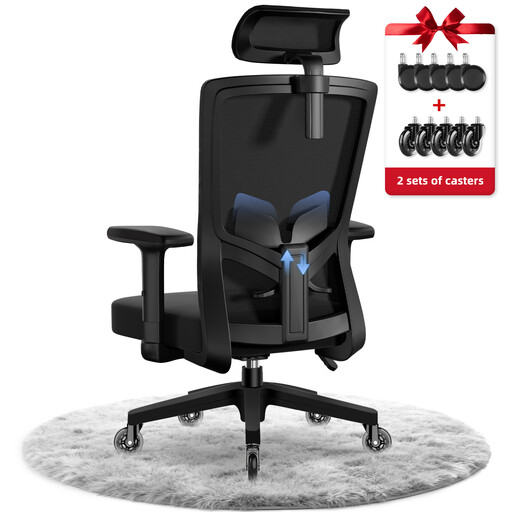
Why This Fits Their Persona: Designed for users who need an exceptionally robust construction and a high weight capacity without sacrificing full ergonomic adjustability.
This model debunks the "one-size-fits-all" myth with a certified maximum load capacity of 150 kg and comprehensive adjustment options for different body types.
The combination of high load capacity, a BIFMA & SGS certified gas lift, and fully adjustable elements (headrest, lumbar support, armrests) provides both safety and comfort.
We've compiled a complete, up-to-date list of products that fully meet these strict selection criteria and German safety regulations.
Start with the seat height: your feet should be flat on the floor and your thighs parallel to it. Next, adjust the lumbar support so it supports the natural curve of your lower spine. Set the armrests so your shoulders are relaxed and your forearms rest on them at a 90-degree angle. Finally, adjust the headrest to support your neck when you lean back.
BIFMA and SGS are independent organisations that test products for safety, durability, and performance. A certification means that components like the gas lift, base, and casters have passed rigorous tests. These include stress tests, drop tests, and cycle durability tests. A certified chair offers greater assurance regarding its safety and longevity.
The lifespan depends on the intensity of use, the quality of the materials, and proper care. A high-quality model with certified components can easily last five to ten years with daily use in an office or home office. Cheaper models with less robust components often show initial signs of wear on the upholstery or mechanism after just one to two years.