
Lieferung heute & morgen

Qualitätsgarantie

Willkommens-Angebote freischalten: KOSTENLOSE Lieferung | Bis zu 80 % RABATT | Kostenlose 30-Tage-JoyPlus-Testphase
App herunterladen
By a Joybuy Product Recommendation Officer, 14 July 2026
Long hours at a desk have become the norm for many, whether in a corporate office or a home office. Proper seating is not a luxury but a fundamental necessity for focused work and overall well-being. An unsuitable chair can lead to muscle strain and discomfort.
This article serves as your guide. Instead of overwhelming you with marketing promises, we focus on objective criteria and product features. Our goal is to give you the information you need to find an ergonomic office chair that perfectly suits your requirements.
The selection is vast, and technical spec sheets can be overwhelming. Focus on the following three key areas to make an informed decision.
An ergonomic desk chair adapts to your body—not the other way around. Look for a wide range of adjustment options:
The longevity and comfort of an office chair depend heavily on the materials used.
Based on the criteria above, we have curated a selection of models that stand out for their functionality and adaptability.
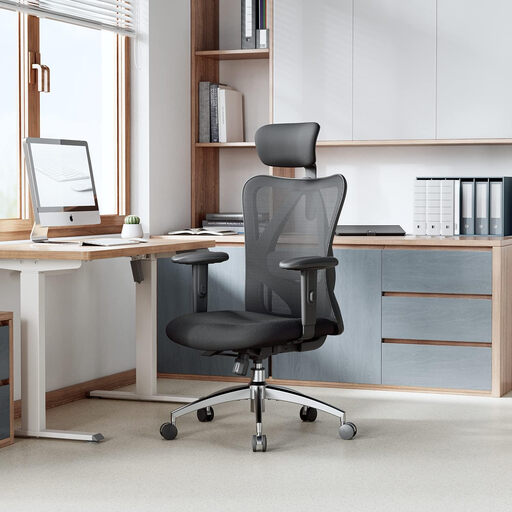
What Sets It Apart This model focuses on high standards and durability. According to the manufacturer, the chair is BIFMA and SGS certified and has passed a 1136 kg static pressure test. The maximum user weight is rated at 150 kg. Its W-shaped seat design is intended to encourage a centred sitting posture.
Pros
Who It's For This model is an excellent option for individuals seeking a robust and highly adjustable executive chair for daily, intensive use in the office or at home, and who value certified components.
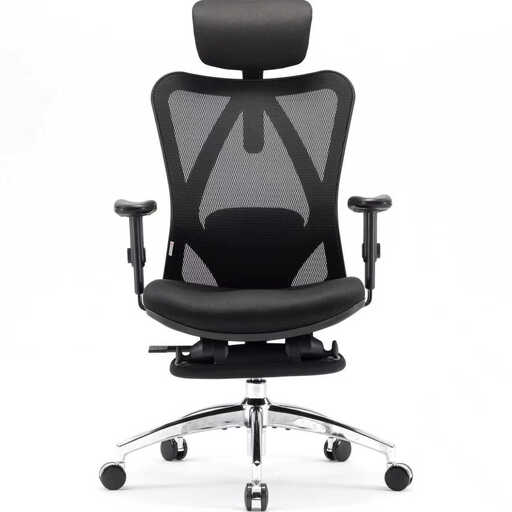
What Sets It Apart The key feature of this chair is its integrated, retractable footrest. It allows you to adopt a relaxed, reclined position during breaks. The backrest is made entirely of mesh fabric, ensuring excellent air circulation.
Pros
Who It's For This chair is aimed at users who want not only a functional work chair but also a way to relax during short breaks right at their desk. Its high breathability makes it particularly appealing for warmer environments or for people who tend to perspire easily.
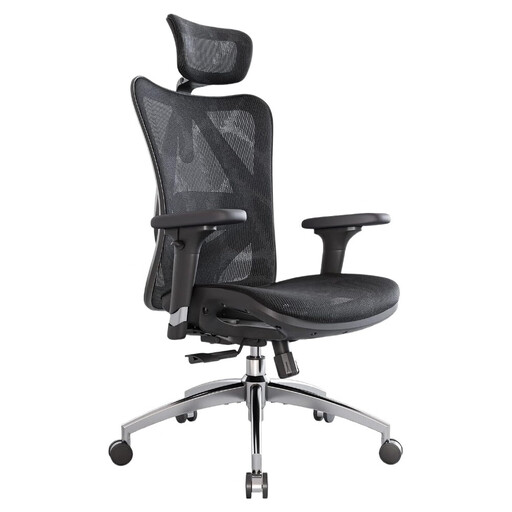
What Sets It Apart The SIHOO office chair M57S stands out with its advanced 3D armrests. These can be adjusted not only in height but also in depth and angle. This allows for very precise customisation for different activities like typing, reading, or relaxing. The aluminium alloy frame ensures stability.
Pros
Who It's For This model is designed for users who demand the highest level of armrest adjustability. It is ideal for individuals who frequently switch between different tasks and want to precisely tailor their arm and shoulder support accordingly.
The models featured here provide a great overview of what's available. However, if you are looking for different designs, materials, or a matching desk, you can find more alternatives in our broader selection.
? Explore Our Full Range of Computer Desks and Chairs
An ergonomic office chair is defined by its ability to be adjusted to the user's individual body dimensions and needs. Key features include adjustable seat height, seat depth, backrest, and armrests, as well as targeted support for the lumbar spine (lumbar support). The goal is to promote a healthy and natural posture, even during long periods of sitting.
Lumbar support is a crucial feature. It supports the natural curve of the lower spine (lumbar lordosis). Without this support, many people tend to slump, which can put strain on the spinal discs and lead to muscle tension. Good, ideally height-adjustable, lumbar support helps keep the back in its natural S-shape.
A basic ergonomic setup follows these steps: