Choosing the right office chair is a decision that significantly impacts daily work performance and physical well-being. An ergonomic office chair is designed to support the body during long periods of sitting, promote a neutral posture, and minimise strain. The functionality of such a chair relies on adjustable components that can be tailored to the user's individual body dimensions. This article analyses the technical criteria for selection and presents a range of models with different specifications.
Buyer's Guide: What to Look for in an Ergonomic Desk Chair
The effectiveness of an ergonomic office chair depends on its adjustment options and material properties. The following technical parameters are relevant for making an informed purchasing decision.
1. Component Adjustability
Individual customisation is a key feature. A height-adjustable office chair is just the basic requirement.
- Seat Height: The seat height should be adjustable so that your feet rest flat on the floor and your knees form an angle of approximately 90 degrees. This promotes a stable sitting position and proper blood circulation.
- Seat Depth: Adjustable seat depth allows you to regulate the distance between the front edge of the seat and the back of your knees. A gap of two to three fingers' width prevents pressure on the blood vessels behind the knees.
- Armrests: Multi-dimensional adjustable armrests (e.g., 3D or 4D) can be adjusted in height, width, and depth. They help relieve strain on the shoulder and neck muscles by allowing the forearms to rest at a right angle.
- Backrest and Synchronous Mechanism: The backrest should support the natural S-curve of the spine. A synchronous mechanism links the recline of the backrest with the tilt of the seat at a predefined ratio. This encourages "dynamic sitting," where switching between different postures relieves back strain.
2. Lumbar Support
An integrated office chair with lumbar support is important for stabilising the lumbar region. This support fills the curve in your lower back and helps maintain an upright posture. Ideally, it is adjustable in height and depth to ensure precise customisation to the individual's spinal curvature. Some models offer dynamic lumbar supports that automatically adapt to the user's movements.
3. Materials and Build Quality
The choice of material affects both the comfort and the durability of the chair.
- Upholstery: Mesh fabric is breathable and ensures good air circulation, which is particularly beneficial during long periods of sitting. Fabric or velvet upholstery offers a different tactile feel and can contribute to the room's aesthetic.
- Base and Castors: A sturdy base made of metal or durable plastic is fundamental for safety and stability. The castors should be suitable for the specific flooring (hard or soft floors) to allow the swivel chair to move smoothly and without damaging the floor.
- Certifications: Seals like BIFMA or SGS indicate that the chair has been tested for safety, durability, and structural performance according to defined standards.
Our Top Office Chair Picks for 2026
The following models have been selected based on their specific technical features and use cases.
1. Sihoo Dora S100 Ergonomic Office Chair
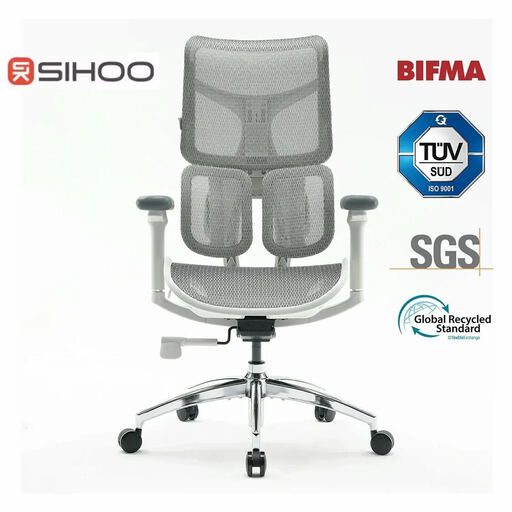
- Why we recommend this product: The Sihoo Dora S100 stands out for its highly advanced adjustment mechanisms. The dual dynamic lumbar support, featuring automatic 6D adjustment and four springs, provides adaptive support for the lower back that conforms to different body shapes and postures. The 4D armrests synchronise with the backrest's recline.
- Pros:
- High-elasticity mesh fabric for the backrest and seat.
- Independently adjustable backrest with five levels, suitable for heights from 150 cm to 190 cm.
- 5 cm adjustable seat depth with a waterfall edge design to minimise pressure on the thighs.
- BIFMA and SGS-certified components.
- Best for: Individuals looking for a computer chair for intensive and long workdays who value maximum adjustability and proactive lumbar support.
2. Woltu Armless Office Chair
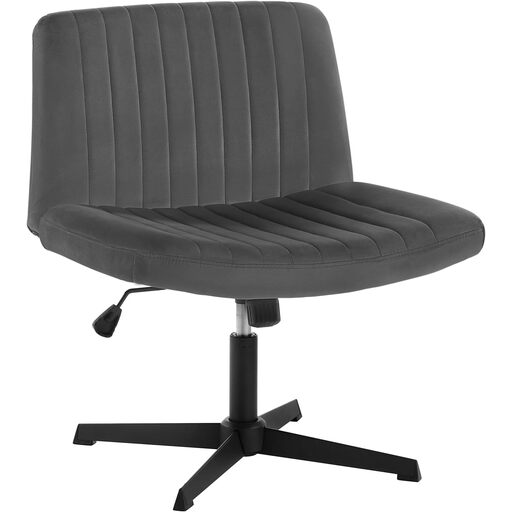
- Why we recommend this product: This model from Woltu combines fundamental ergonomic features with a home-friendly design. The absence of armrests provides maximum freedom of movement and allows the chair to be pushed completely under the desk. Its velvet upholstery and clean lines make it a stylish addition to any home office chair setup.
- Pros:
- High-density foam padding for the seat and back.
- Integrated rocking function with up to 17 degrees of tilt.
- Stepless height adjustment via a certified gas lift.
- Sturdy X-shaped metal base with smooth-rolling castors.
- Best for: Users seeking a functional and aesthetically pleasing chair for a home office or living area, who can or prefer to do without armrests.
3. Sihoo M18 Ergonomic Office Chair
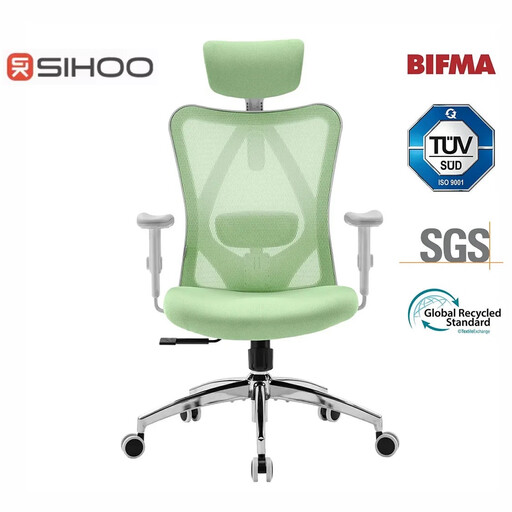
- Why we recommend this product: The Sihoo M18 offers a comprehensive suite of ergonomic features. Its four-point support system includes an adjustable headrest, lumbar support, seat height, and tilt tension. The high backrest and a weight capacity of up to 150 kg make it a solid choice for taller and heavier individuals seeking executive chair-like comfort.
- Pros:
- Breathable mesh backrest for a comfortable sitting climate.
- Supports heights from approx. 168 cm to 188 cm, according to the manufacturer.
- Simple eight-step assembly as per the manual.
- BIFMA-certified construction with a robust nylon frame.
- Best for: Users who need a versatile and robust all-round chair for the office, studying, or gaming and appreciate a good balance between adjustment options and price.
More Options for Your Workspace
The models presented here cover a range of different user profiles. However, our assortment of seating solutions is far more extensive, encompassing numerous designs, materials, and functionalities. If you wish to explore other alternatives tailored to specific needs such as design, material, or budget, you can find a wider selection in our main category.
Discover more models in the Home Office Computer Chair category here
Frequently Asked Questions (FAQ)
1. What are the most important features of an ergonomic office chair? The core features are adjustable seat height and depth, an adaptable backrest with a synchronous mechanism, height- and width-adjustable armrests, and effective lumbar support. These elements allow for individual customisation to the body to promote a healthy sitting posture.
2. How do I adjust my office chair correctly? Start with the seat height, ensuring your feet are flat on the floor. Adjust the seat depth so there is a small gap between the edge of the seat and the back of your knees. Position the lumbar support in the curve of your lower back. Finally, set the armrests so that your forearms rest at a 90-degree angle with your shoulders relaxed.
3. Is an office chair with lumbar support necessary? For individuals who sit for several hours a day, lumbar support is a highly recommended feature. It helps maintain the natural curve of the lumbar spine, prevents slouching, and can contribute to reducing strain on the lower back.
Written by your Joybuy Product Recommendation Officer

