
Lieferung heute & morgen

Qualitätsgarantie

Willkommens-Angebote freischalten: KOSTENLOSE Lieferung | Bis zu 80 % RABATT | Kostenlose 30-Tage-JoyPlus-Testphase
App herunterladen
By the Joybuy Product Recommendation Officer, July 19, 2026
Long days at the desk have become the norm for many. Whether in a corporate building or a home office, sitting for hours can lead to neck tension, lower back discomfort, and poor posture. The right office chair is therefore not an afterthought—it's a fundamental component of a functional workspace.
This article serves as your guide. We'll explain the key features to look for when making your selection and present various seating solutions designed to meet different needs for both work and relaxation.
Selecting the right chair depends on your individual needs. Three key criteria will help you make an informed decision.
An adjustable desk chair can be tailored to your body's dimensions. Look for the following adjustment options:
The materials determine not only the chair's longevity but also its comfort. Breathable mesh backrests promote air circulation, while padded seats made of molded foam retain their shape even during long periods of sitting.
An equally important factor is the maximum weight capacity. Standard chairs are often rated for up to 120 kg. If you require greater stability, look specifically for models like an executive chair with a 150 kg capacity. These feature a reinforced base and a more robust, heavy-duty gas lift.
For individuals who spend a lot of time sitting or tend to recline, an office chair with a headrest can be a valuable addition. An adjustable head or neck rest helps keep the head in a neutral position, relieving strain on the cervical spine. A rocking or synchronous mechanism also enables dynamic sitting, where the backrest and seat move in coordination, which can promote better circulation.
Based on the criteria mentioned, we have curated a selection of products that serve different functions for the workday and essential breaks.
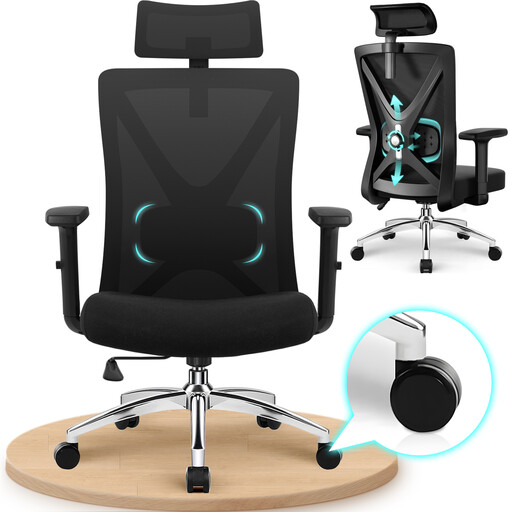
Why it stands out: This model focuses on the core requirements of an ergonomic workspace. With its wide range of adjustment options, it can be precisely tailored to the user. The S-shaped backrest is designed to support the natural curvature of the spine.
Advantages:
Who it's for: This chair is a functional choice for individuals who spend many hours at their desk daily and are looking for a reliable, highly customisable ergonomic office chair for their office or home office.

Why it stands out: A rocking chair in the home office? A deliberate departure from a static sitting posture can boost creativity and give your body a well-deserved break. This model combines Scandinavian design with functional comfort.
Advantages:
Who it's for: Ideal for home office users looking for an additional spot for reading, thinking, or taking an active break. It encourages a different posture and gentle movement.
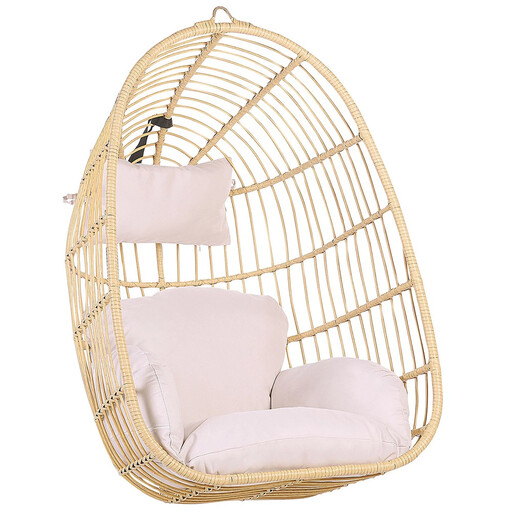
Why it stands out: This hanging chair creates an oasis of calm right in your workspace or living area. Its boho-style design makes a visual statement and invites you to take short mental breaks.
Advantages:
Who it's for: For creatives and home office workers who want to create a special retreat for their breaks. Note: The maximum weight capacity is 90 kg.
If you are interested in seating with a focus on natural materials and unique designs, other models might be right for you. Explore our collection of Natural Chairs to find more options.
An ergonomic office chair is defined by its adjustability. Key features include an adjustable seat height, seat depth, customisable armrests, and a height- or depth-adjustable lumbar support. A synchronous mechanism that supports the body's movements is also a hallmark of high-quality models.
A chair for back pain is not a medical device, but it can make a significant contribution to preventing and alleviating discomfort. By promoting a healthy, upright posture and stabilising the spine, especially in the lumbar region, it can reduce strain on the back muscles and intervertebral discs. Proper adjustment is crucial.
Start with the seat height, ensuring your feet are flat on the floor. Next, adjust the seat depth so there is a hand's width of space between the front edge of the seat and the back of your knees. Set the lumbar support to fill the natural curve of your lower back. Finally, adjust the armrests to the height of your desktop to relieve your shoulders.