Joybuy Insights

Ergonomic Office Chair: 2026 Buyer's Guide and Top Picks

Choosing the right office chair is a decision that depends heavily on your individual physical needs and how long you'll be using it each day. An ergonomic office chair is designed to support the body in a neutral posture, reducing strain on the spine, neck, and hips during long periods of sitting. Its core functionality is built on adjustable mechanical components, enabling a fully customised configuration.


Buyer's Guide: What to Look for in an Ergonomic Office Chair

An office chair should be evaluated based on objective, technical criteria. The following features are crucial for ergonomic functionality:

1. Adjustability

A functional desk chair offers a variety of adjustment options to accommodate different body sizes and proportions.

  • Seat Height Adjustment: The ability to adjust the seat height is fundamental. Your feet should be able to rest flat on the floor with your knees at an approximate 90-degree angle. A height-adjustable swivel chair with an SGS-certified gas lift provides safe and seamless adjustment.
  • Seat Depth Adjustment: Proper seat depth ensures there is a gap of two to four fingers' width between the back of your knees and the front edge of the seat. This promotes healthy circulation in your legs.
  • Armrests: Adjustable armrests (in height, width, and depth) relieve strain on the shoulder and neck muscles. Models with flip-up armrests offer added flexibility, allowing you to work closer to your desk or store the chair in a space-saving manner.

2. Support Features

Supporting the natural S-curve of the spine is a core aspect of ergonomics.

  • Lumbar Support: An office chair with lumbar support supports the lower back (lumbar region) and helps maintain an upright posture. Ideally, this support is adjustable in both height and depth.
  • Backrest and Synchronous Mechanism: The backrest should support the entire back. A synchronous mechanism links the recline of the backrest with the tilt of the seat, encouraging dynamic sitting and stabilising the pelvic area.
  • Headrest: An office chair with a headrest is particularly useful for long work sessions or when in a reclined position to relieve tension in the neck and shoulder area.

3. Material and Construction

The choice of material affects comfort, durability, and breathability.

  • Upholstery: Mesh fabric is breathable and promotes air circulation, which is especially beneficial on warm days. High-density foam padding provides even pressure distribution.
  • Base and Casters: A sturdy base made of metal or durable plastic forms the foundation. The casters should be suitable for your flooring (hard casters for carpet, soft casters for hard floors like parquet or tile) to ensure mobility and protect the floor.

Our Selection of Ergonomic Office Chairs for 2026

Based on the technical criteria above, we have curated a selection of models with different specialisations.
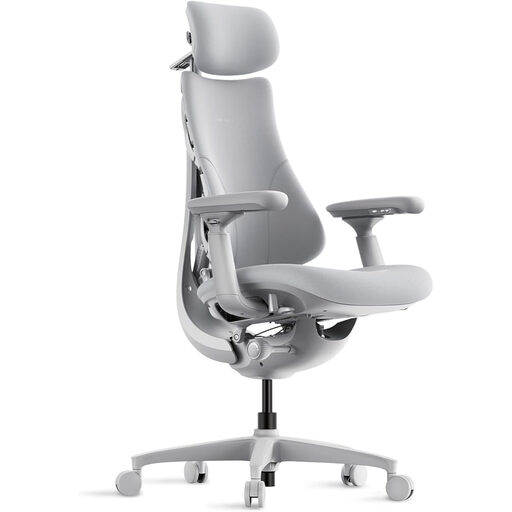
1. Libernovo Omni Dynamic Ergonomic Chair

Libernovo Omni Dynamic Ergonomic Chair

Why We Recommend This Product: The Libernovo Omni stands out for its dynamic ergonomics. The system actively supports the natural S-curve of the spine and adapts to the user's movements with an intelligent, automatic tilt function. The breathable mesh backrest ensures optimal air circulation.

  • Pros:
    • Dynamic ergonomic system with automatic tilt adjustment
    • Breathable mesh backrest for thermal comfort
    • Seat made of high-elasticity foam for lasting comfort
    • Sturdy five-point base with smooth-gliding casters
  • Best For:
    • Individuals who sit for long hours and need a chair that encourages active movement and adapts to the body to reduce pressure points.

Shop the Libernovo Omni Dynamic Ergonomic Chair Note: Orders placed between 28 May and 10 June will include a footrest valued at €199.
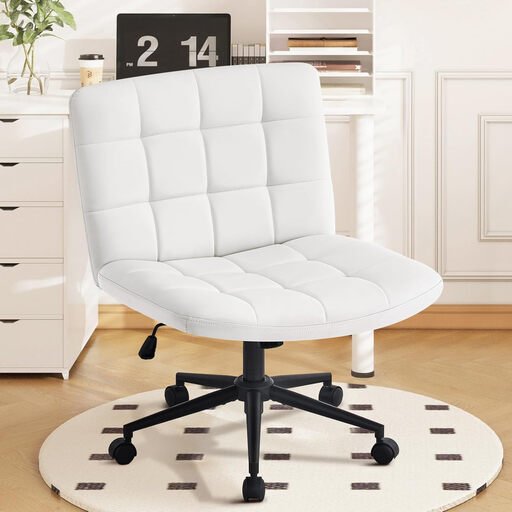
2. Hellove Armless Office Chair

Hellove Office Chair

Why We Recommend This Product: This model from Hellove is specifically designed for users who prefer alternative sitting positions. The extra-wide, U-shaped seat (64 x 52 cm) and armless design make it comfortable to work in a cross-legged chair. The 8 cm thick high-density foam padding provides solid support. Instead of casters, the chair features a stable, non-slip base.
  • Pros:
    • Extra-wide seat, optimised for cross-legged sitting
    • Armless design for maximum freedom of movement
    • Stable, caster-less five-spoke base for a firm footing
    • 360° swivel function and rocking mechanism
  • Best For:
    • Users of a home office chair who frequently change their sitting position and value flexibility. Ideal for creative workspaces or individuals looking for an alternative to the classic executive chair.

Shop the Hellove Office Chair

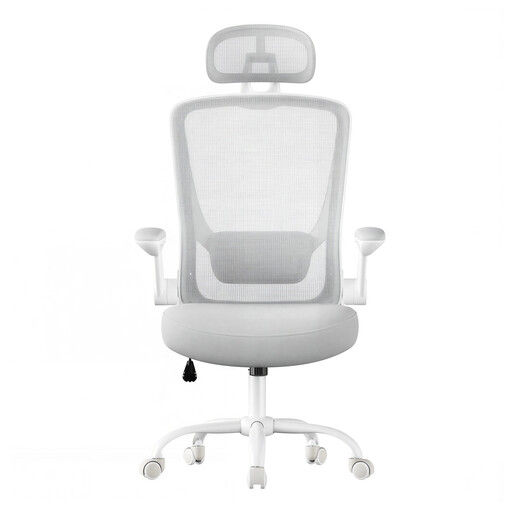
3. Ochama x SONGMICS Home Office Mesh Chair

Ochama x SONGMICS Home Office Mesh Chair

Why We Recommend This Product: The Ochama x SONGMICS chair offers a comprehensive suite of adjustment features. Particularly noteworthy are the adjustable lumbar support and headrest, which allow for targeted customisation for the neck and lumbar regions. The flip-up armrests create more space and freedom of movement when needed.

  • Pros:
    • Adjustable lumbar and headrest for targeted support
    • Flip-up armrests for greater flexibility at your workspace
    • Breathable mesh back and thickly padded seat
    • Sturdy construction with a maximum static load capacity of 120 kg
  • Best For:
    • Users who need a versatile office chair with specific adjustment options for the back and neck areas. The flip-up armrests make it practical for workspaces with limited room.

Shop the Ochama x SONGMICS Home Office Mesh Chair


Discover More Alternatives

If these recommendations don't include the perfect model for your specific needs, you can find a wider selection of chairs with various specifications and designs in our Space Chair category.


Frequently Asked Questions (FAQ)

1. What are the core features of an ergonomic office chair? An ergonomic office chair is defined by its adjustability. Core features include adjustable seat height, seat depth, and armrests, as well as a supportive backrest with integrated lumbar support. A synchronous mechanism that promotes dynamic sitting is also a key criterion.

2. How do I adjust my desk chair correctly? Start with the seat height, ensuring your feet are flat on the floor and your thighs are parallel to it. Adjust the seat depth so there is about a hand's width of space between the back of your knees and the edge of the seat. The lumbar support should support the natural curve of your lower spine. Set the armrests so your forearms can rest on the desk surface at a 90-degree angle without having to raise your shoulders.

3. What are the benefits of an office chair with lumbar support? Lumbar support fills the gap between your lower back and the backrest. It supports the natural curve of the lumbar spine and prevents the user from slumping into a hunched posture. This can reduce strain on the intervertebral discs and help prevent back pain.


Written by: Joybuy Product Recommendation Officer