
Lieferung heute & morgen

Qualitätsgarantie

Willkommens-Angebote freischalten: KOSTENLOSE Lieferung | Bis zu 80 % RABATT | Kostenlose 30-Tage-JoyPlus-Testphase
App herunterladen
Long days at a desk, whether in a corporate office or at home, often lead to neck tension, lower back pain, and general fatigue. A well-designed workspace is therefore not an afterthought, but a foundation for focus and well-being. A key element of this setup is your chair. An ergonomic office chair with a footrest can help improve posture, promote circulation, and significantly increase comfort during long periods of sitting.
This article serves as a guide. It introduces various concepts—from a desk chair with a retractable footrest to a separate ergonomic footrest for your desk—and highlights the objective features to consider when making your choice.
The right model for you depends on your individual needs and existing workspace. Two aspects are particularly important to consider.
The first fundamental decision is about the design. An office chair with a built-in footrest offers an all-in-one solution. These models, often designed as executive chairs with a reclining function, allow you to comfortably elevate your legs and put your back into a relaxed position. The advantage lies in the seamless design and ease of use.
A separate ergonomic footrest for your desk, on the other hand, offers more flexibility. It can be paired with any chair and easily set aside when not in use. Furthermore, it can be positioned precisely under the desk to find the optimal angle for your knees and feet, regardless of your seating position on the chair.
An office chair for long hours of sitting should offer more than just soft cushioning. Look for the following adjustment options to tailor the chair to your body:
Based on the criteria mentioned, we have compiled a selection of products that take different approaches to enhancing comfort at your workspace.
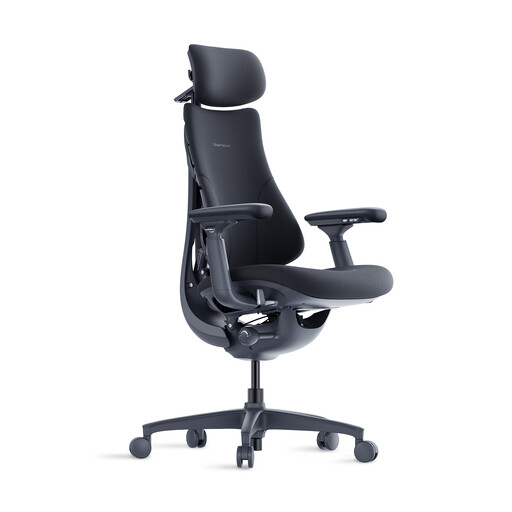
Why It Stands Out: This model is designed as a comprehensive ergonomic solution. It combines adjustable lumbar support with a retractable footrest and a deep recline. Its standout feature is the tilt angle of up to 160°, which transforms the chair into a relaxing recliner, allowing for short breaks to decompress the spine.
Benefits:
Who It's For: For individuals looking for an all-in-one solution who value a chair that supports both focused work and relaxing breaks. Ideal for long workdays in a home office.
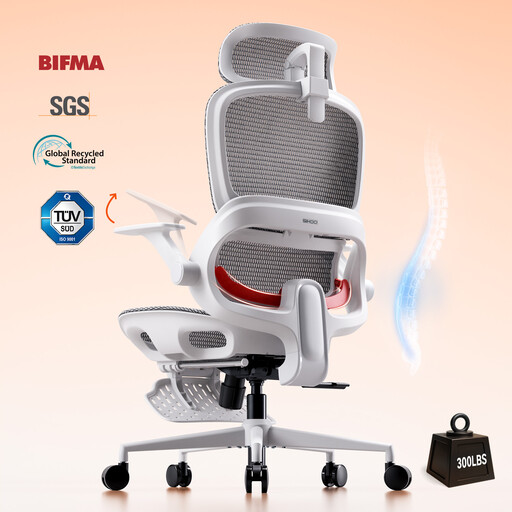
Why It Stands Out: The SIHOO B100JT is distinguished by its practical details. The flip-up armrests create more freedom of movement when needed or allow the chair to be pushed neatly under the desk to save space. The wide headrest provides additional comfort for the neck and head, especially in a reclined position.
Benefits:
Who It's For: For users in workspaces with limited room or for those who prefer to work without armrests for certain activities (e.g., playing guitar, drawing).
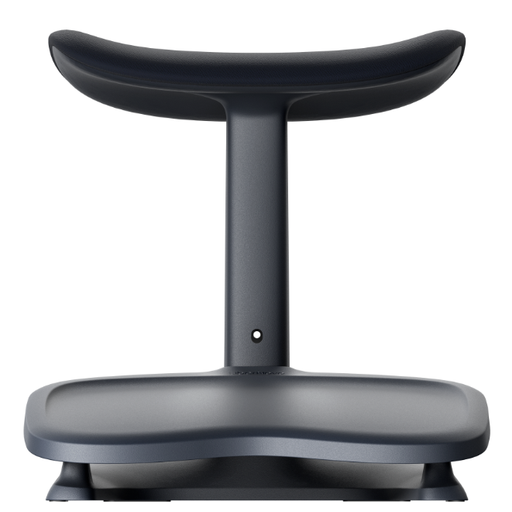
Why It Stands Out: This separate footrest is a flexible addition to any workspace. Its dual-layer design allows for adjustment to two different angles to adapt the position to your current posture. The textured surface prevents your feet from slipping.
Benefits:
Who It's For: For anyone who already owns a good office chair but wants to further optimize their posture. Also a great choice for individuals whose feet don't fully reach the floor at a standard seat height.
A separate footrest is often a simple and effective first step toward improving desk ergonomics. It can be used flexibly and combined with various chairs. If you are specifically looking for such a solution, you can find more models in our category.
Explore our selection of ergonomic footrests and find the perfect addition to your workspace: Footrest for Desk.
A footrest is especially recommended if your feet cannot rest flat on the floor at the correct seat height. It helps maintain a 90-degree angle at the knees, which improves circulation and reduces pressure on the lumbar spine. It is therefore an important tool for completing an ergonomic seating setup.
The term office chair with a footrest generally describes a chair with an integrated support for the legs. An executive chair with a reclining function is a specific type of this, typically featuring thicker padding, a high backrest, and a particularly deep recline angle (often over 135 degrees). It is designed not only for work but also for short periods of rest and recovery.
For an office chair for long hours of sitting, three factors are crucial: first, comprehensive adjustability (seat height, depth, armrests); second, high-quality and adaptable back support, especially a lumbar support; and third, a dynamic seating mechanism that encourages movement. Breathable materials also contribute to overall comfort.