
Lieferung heute & morgen

Qualitätsgarantie

Willkommens-Angebote freischalten: KOSTENLOSE Lieferung | Bis zu 80 % RABATT | Kostenlose 30-Tage-JoyPlus-Testphase
App herunterladen
Long workdays at a desk, whether at home or in the office, take their toll. Neck tension and lower back pain are often the result of an unsuitable chair. An ergonomic office chair isn't a luxury purchase; it's a fundamental investment in focused work and long-term back health.
However, the market is saturated with models whose marketing promises are often more style than substance. Before you make a decision, it's crucial to understand the most common pitfalls that can lead to a poor purchase.
To avoid making the wrong choice, you should focus on objective and verifiable product features. Three core parameters are decisive for comfort and durability.
A good ergonomic office chair must adapt to your body, not the other way around. Look for the following adjustment options:
The cover material and the quality of the cushioning determine how comfortable sitting will be over many hours.
The base is the foundation of any office swivel chair. A sturdy base made of steel or robust nylon and high-quality, floor-friendly castors are crucial. Pay attention to the maximum weight capacity and certifications. Designations like "BIFMA or SGS-certified" indicate that components such as the gas lift and mechanism have been tested for durability and safety.
We have selected a few models from our range that are suitable for different user profiles and requirements.
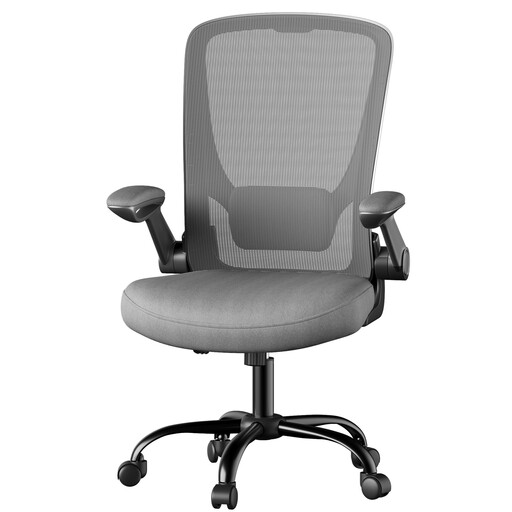
Why This Fits Their Persona: Ideal for users seeking a functional and affordable chair for occasional or daily work from home. The flip-up armrests are especially practical in smaller apartments for space-saving storage.
This chair bypasses the "one-size-fits-all" trap by offering adjustable lumbar support and seat height—fundamental adjustments for better posture.
Breathable mesh back for comfort on warmer days and flip-up armrests for maximum flexibility in a small space.
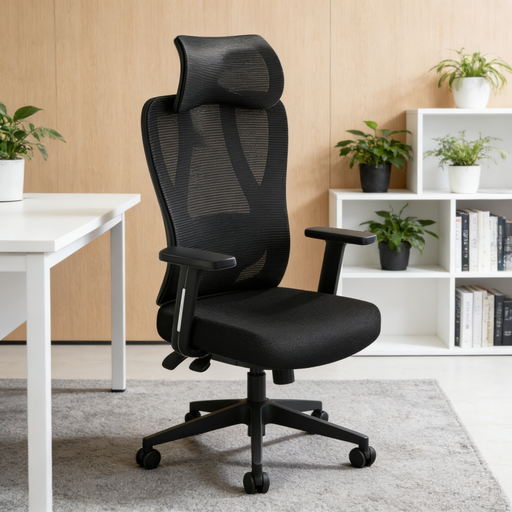
Why This Fits Their Persona: Designed for individuals who sit for many hours a day, whether for work or gaming. This chair offers advanced adjustment options that go beyond the standard to actively prevent fatigue.
It escapes the aesthetic fallacy of many gaming chairs by focusing on functional ergonomics. The 4D lumbar support is a technical feature that offers real value, rather than just being for show.
The fully customisable 4D lumbar support and a large recline angle of up to 140° allow for precise adjustment to the spine and various sitting postures.
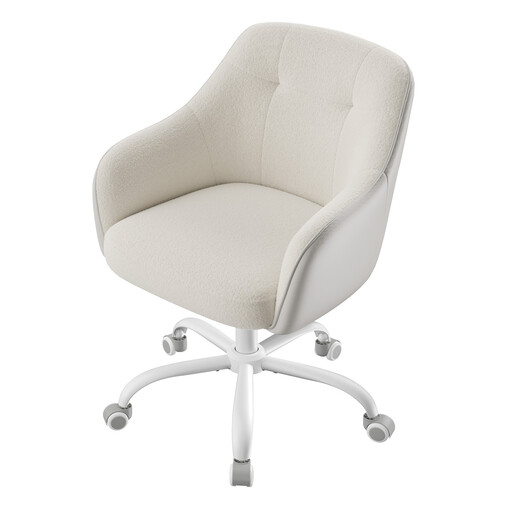
Why This Fits Their Persona: For users who need a chair that not only is functional but also blends harmoniously into their living environment. Perfect for a study that also serves as a living room or guest room.
Although design is a priority, fundamental ergonomics are not neglected. With a 7 cm thick cushion and a curved backrest, it offers a good compromise between style and comfort for moderate periods of use.
Modern, minimalist design with a cosy Sherpa fabric cover. The height adjustment and stable base ensure essential functionality.
We have compiled a complete, up-to-date list of products that fully meet these strict selection criteria and safety regulations.
The lifespan of an office chair depends heavily on material quality, construction, and intensity of use. A model with a robust steel frame, high-quality mechanical parts, and moulded foam cushioning can easily last 5 to 10 years with daily use. Cheaper models often show the first signs of wear, such as a flattened seat or a wobbly mechanism, after just 1-2 years.
That depends on the model. Many gaming chairs focus on a sporty look that doesn't always equate to optimal ergonomics. A classic home office chair often offers more subtle but effective adjustment options, especially for lumbar support. However, there are also high-quality ergonomic gaming chairs that are excellent for long workdays. The key is that adjustability, not design, is the priority.
A basic setup for an ergonomic posture is quick to achieve: