
Lieferung heute & morgen

Qualitätsgarantie

Willkommens-Angebote freischalten: KOSTENLOSE Lieferung | Bis zu 80 % RABATT | Kostenlose 30-Tage-JoyPlus-Testphase
App herunterladen
By Joybuy Product Recommendation Officer, August 29, 2026
For many people, long hours sitting in an office or home office are a daily reality—and so is the neck and back pain that often comes with it. An ergonomic office chair is frequently touted as the solution, but the market is overwhelming and filled with products that fail to deliver on their promises. Before you make a purchase, it's crucial to understand the most common purchasing traps that can lead to discomfort and a poor investment.
To avoid a bad purchase, you should focus on objective and verifiable criteria. These three aspects are fundamental to selecting a durable and functional chair.
A truly ergonomic chair adapts to your body, not the other way around. A simple, height-adjustable office chair is often not enough. Look for the following adjustment options:
Sitting rigidly for long periods is stressful for the back. A good mechanism encourages movement.
The quality of the materials and construction determines the safety and lifespan of your chair.
Based on the criteria mentioned, we have compiled a few models for different user profiles and requirements.
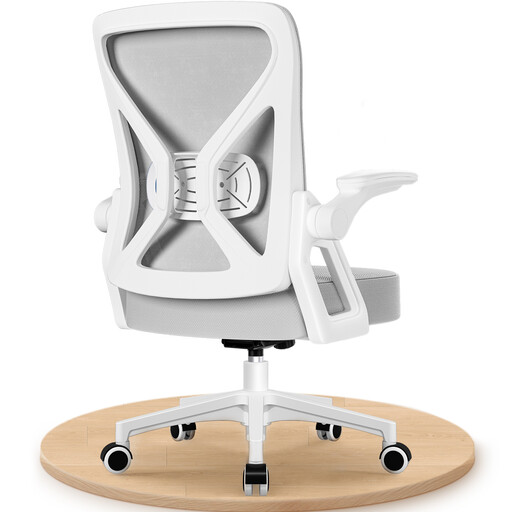
Why This Fits Their Persona: Ideal for home office users seeking solid ergonomic fundamentals without a large budget. It offers the essential features for improved posture during occasional to regular use.
This chair bypasses the "one-size-fits-all" trap with an adjustable lumbar support and customisable seat height. This allows for a fundamental adaptation to your own body.
Offers a rocking function up to 125° for relaxation and flip-up armrests to slide the chair under the desk for space-saving storage. The gas lift is designed for a load capacity of up to 150 kg.
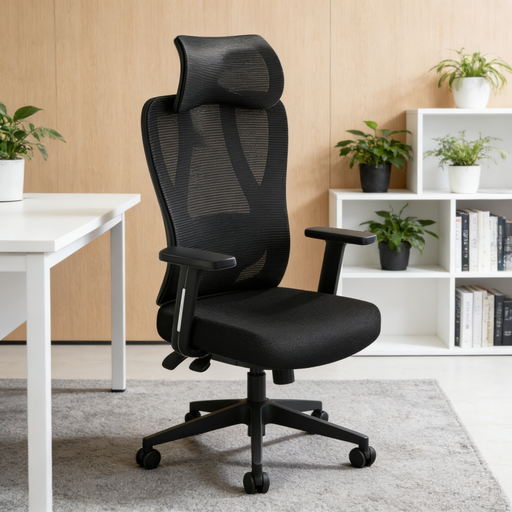
Why This Fits Their Persona: Designed for individuals who sit for many hours a day and value maximum adjustability and high-quality materials. Its advanced adjustment features support a healthy posture even during long, focused work sessions.
This chair debunks the fallacy of pure padding. It combines a pressure-relieving seat cushion with a highly advanced 4D pivoting lumbar support, which focuses on a dynamic and precise support structure.
The fully customisable 4D lumbar support and breathable 2-layer mesh fabric provide personalised support. The recline function from 105° to 140° allows for flexible transitions between work and relaxation postures.
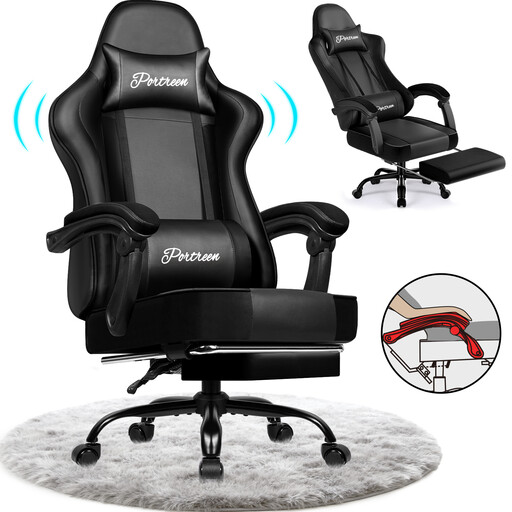
Why This Fits Their Persona: Perfect for gamers or users looking for a versatile chair for intense work sessions and relaxing breaks. The wide recline angle and footrest make it a multifunctional gaming chair with a footrest.
This chair refutes the trap of unverified load capacity claims. It is BIFMA and SGS certified, which objectively confirms its stability and maximum load capacity of 150 kg.
The combination of a backrest that reclines up to 170° and a retractable footrest offers maximum flexibility. Head and lumbar pillows provide additional support during long sessions.
We have compiled a complete, real-time list of products that fully satisfy these strict selection criteria and UK safety regulations.
1. How long does a good ergonomic office chair last? The lifespan of an ergonomic office chair depends heavily on material quality, construction, and usage. Models with a sturdy metal base, a certified gas lift (e.g., BIFMA/SGS), and high-quality upholstery can last five to ten years or more with normal use. Cheaper models with many plastic parts often show signs of wear after just one to two years.
2. Is a gaming chair or an office chair better for a home office? That depends on your priorities. A classic ergonomic office chair is typically optimised for an upright, focused work posture and promotes dynamic sitting with a synchronous mechanism. A gaming chair often places more emphasis on a striking aesthetic, a high backrest, and deep recline functions for relaxation. For purely productive work, a good office chair is often the more functional choice, while a gaming chair can offer more versatility for work and leisure.
3. What does BIFMA or SGS certification mean for a desk chair? BIFMA (Business and Institutional Furniture Manufacturer's Association) and SGS (Société Générale de Surveillance) are internationally recognised organisations that test products for safety, durability, and structural stability. A certification means the chair has passed standardised tests that simulate, for example, the load capacity of the casters, base, gas lift, and mechanism under repeated stress. It is a reliable indicator of a chair's quality and safety.