
Lieferung heute & morgen

Qualitätsgarantie

Willkommens-Angebote freischalten: KOSTENLOSE Lieferung | Bis zu 80 % RABATT | Kostenlose 30-Tage-JoyPlus-Testphase
App herunterladen
Long workdays at a desk, whether at home or in the office, take their toll. Neck tension and lower back pain are common consequences of poor posture. An ergonomic office chair is often presented as the solution, but the market is overwhelming. Many products advertise themselves as "ergonomic" without meeting the crucial criteria.
As your Joybuy Product Recommendation Officer, I'm here to help you distinguish marketing promises from genuine functional benefits. In this guide, I'll show you the most common pitfalls to avoid when buying and which core features you need to look for to make an informed decision for your health and productivity.
Before we dive into the important features, let's look at the typical mistakes that lead to disappointment and discomfort.
To avoid a bad purchase, focus on verifiable, technical features rather than vague advertising claims. These three parameters are essential for a truly ergonomic chair.
A fixed curve in the backrest is not enough. A high-quality lumbar support must be adjustable to actively support the natural curve of your lumbar spine (lordosis). Look for the following features:
The mechanism determines how the seat and backrest move. It is crucial for active, healthy sitting.
A good office chair is an investment in your health. The materials and workmanship are indicators of its durability.
Based on the criteria above, we have identified several models suitable for different needs and work styles, both for the office chair for home use and the corporate office.
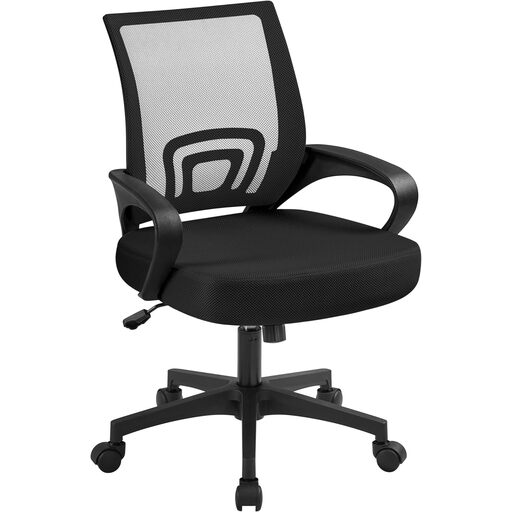
Why This Fits Their Persona: Ideal for students or those new to working from home who need a solid foundation of ergonomic features without breaking the bank. It offers the essential basic functions for comfortable work over several hours.
This model bypasses the material trap with a breathable mesh backrest and the "one-size-fits-all" trap with a clearly defined weight capacity of up to 136 kg and adjustable seat height.
Offers fundamental ergonomic features like integrated lumbar support and height adjustment. According to the manufacturer, the gas lift is SGS and BIFMA certified.
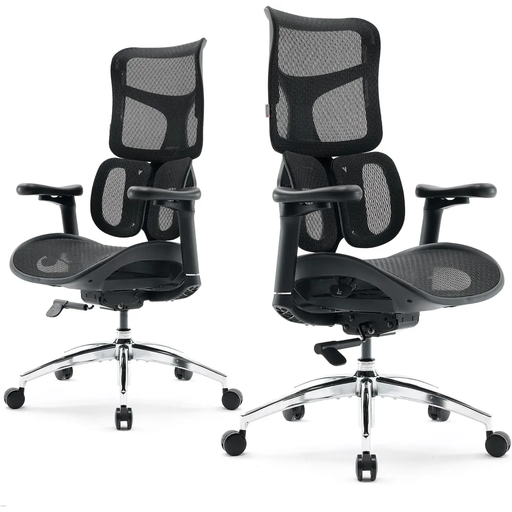
Why This Fits Their Persona: Designed for professionals who spend eight hours or more at their desks daily. The extensive adjustment options and dynamic support system are engineered for maximum relief during long periods of sitting.
It escapes the "pseudo-ergonomics" trap with a dual, dynamic lumbar support system that automatically adapts to different postures, going far beyond a rigid curve.
Comprehensive adjustability with 4D armrests and a backrest that can be adjusted in five stages. The components are BIFMA and SGS certified, according to the manufacturer.
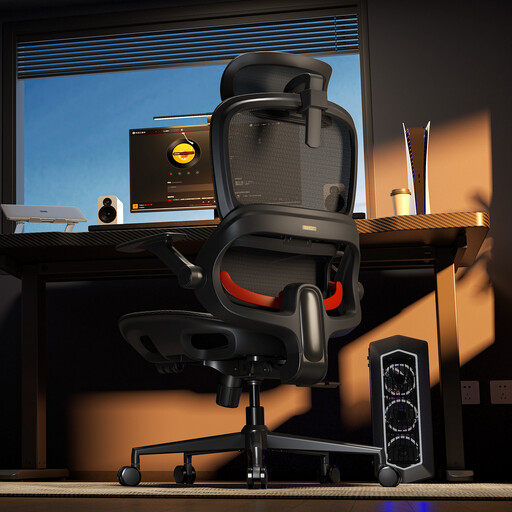
Why This Fits Their Persona: Perfect for users who also use their workspace for breaks and moments of relaxation. The integrated footrest allows for a quick transition from an upright working posture to a reclined resting position.
With its retractable footrest, this model offers a clear, functional extension that goes beyond standard ergonomics, creating real added value for flexible usage scenarios.
The combination of adaptive lumbar support, a wide headrest, and an integrated footrest allows for versatile use for both work and relaxation.
We have compiled a complete, up-to-date list of products that fully meet these strict selection criteria and safety regulations.
1. How do I properly adjust an ergonomic office chair? Start with your feet and work your way up. Your feet should be flat on the floor with your knees at an approximately 90-degree angle; adjust the seat height accordingly. There should be about a hand's width of space between the back of your knees and the front edge of the seat. Position the lumbar support in the natural curve of your lower back. The armrests should be adjusted so that your forearms rest horizontally on the desk with your shoulders relaxed.
2. How long does a good ergonomic office chair last? The lifespan heavily depends on the material quality, frequency of use, and construction. A high-quality model with certified components (e.g., according to BIFMA standards) can easily last 5 to 10 years with normal use in an office or home office. Regular maintenance, such as tightening screws, can extend its life.
3. Is a mesh office chair better than a padded chair? Both materials have their pros and cons. A mesh office chair offers excellent breathability, which is particularly beneficial on warm days or during long periods of sitting to prevent heat build-up. Padded chairs can provide a softer seating experience, which some users prefer. The key for both types is quality: a high-quality, shape-retaining foam is preferable to a cushion that quickly flattens, just as a taut mesh fabric is better than a cheap one that quickly sags.