
Lieferung heute & morgen

Qualitätsgarantie

Willkommens-Angebote freischalten: KOSTENLOSE Lieferung | Bis zu 80 % RABATT | Kostenlose 30-Tage-JoyPlus-Testphase
App herunterladen
Long hours at a desk are a reality for many people, both in home offices and in traditional workplaces. An unsuitable chair can quickly lead to tension and discomfort. However, choosing the right model can be overwhelming given the wide array of features and designs available.
This article serves as your guide. It explains the key features of an ergonomic office chair and presents a selection of different models to help make your decision easier.
A good ergonomic desk chair is one that adapts to the user's body, not the other way around. When making your choice, pay close attention to the following key features.
Adjustability is the most important criterion. A chair should have at least the following adjustment options:
The materials affect both comfort and durability. Mesh fabric on the backrest is breathable and prevents heat build-up. Padded seats made from moulded foam offer excellent pressure distribution.
Also, check the chair's maximum weight capacity. Standard models are often rated for up to 110 or 120 kg. For individuals with a higher body weight, there are specialised models like an office chair for up to 150 kg, which feature a reinforced base and a more robust gas lift.
An office chair with a headrest can be beneficial if you frequently lean back to relieve your neck and head area. Some models, often called executive chairs, also offer integrated footrests for extra relaxation breaks.
Here is a selection of chairs that cater to different needs and use cases.
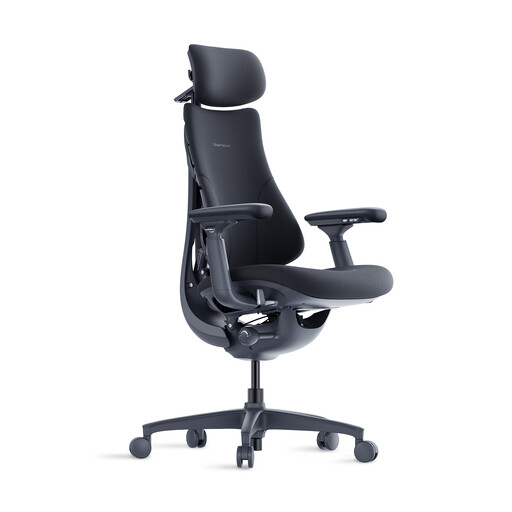
What makes it stand out: This model combines extensive ergonomic adjustments with premium comfort features. Particularly noteworthy are its recline angle of up to 160 degrees and the retractable footrest, which transforms the chair into a relaxation lounger. The adaptive lumbar support adjusts to your back's movements.
Pros:
Who is it for? Users looking for a versatile home office chair that facilitates both focused work and relaxing breaks. Ideal for long workdays.
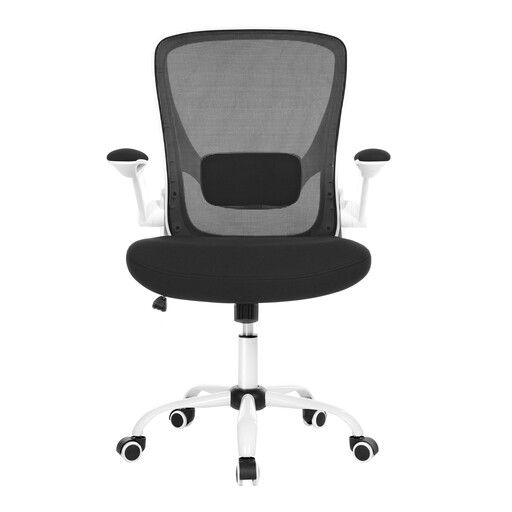
What makes it stand out: This chair focuses on essential ergonomic features within a compact, space-saving design. The flip-up armrests are a practical feature, allowing the chair to be pushed completely under a desk. Its mesh backrest ensures excellent air circulation.
Pros:
Who is it for? Ideal for students, teen rooms, or home offices with limited space. A great choice for users seeking a functional and straightforward ergonomic chair.
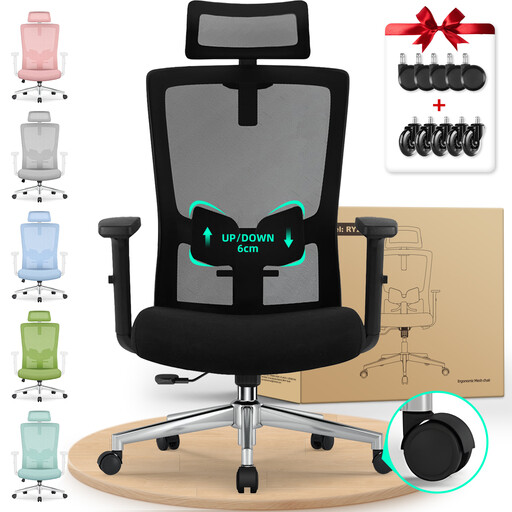
What makes it stand out: This chair's robust construction is designed for a weight capacity of up to 150 kg. According to the manufacturer, the gas lift and base are BIFMA and SGS certified, indicating high stability and safety. It offers comprehensive customisation with an adjustable headrest and lumbar support.
Pros:
Who is it for? Individuals with a higher body weight or users looking for an exceptionally sturdy and durable ergonomic office chair with extensive adjustment options for daily, intensive use.
Choosing the right chair is a highly personal decision. If you're looking for an alternative to classic office chairs and prefer a more flexible sitting style, a different type might be right for you.
Discover our selection of cross-legged office chairs for an unconventional and comfortable seating solution.
An office chair is considered ergonomic if it can be adapted to the user's individual body measurements and needs through a variety of adjustment options. These include adjustable seat height, seat depth, armrests, and a supportive backrest with lumbar support. The goal is to promote a neutral, healthy posture and minimise strain.
Basic adjustment can be done in a few simple steps:
An office chair with a headrest is particularly beneficial if you often lean back during work to think or take short breaks. In these moments, the headrest relieves strain on your neck and cervical spine. For a continuously upright working posture, it is less crucial but can still enhance overall comfort.